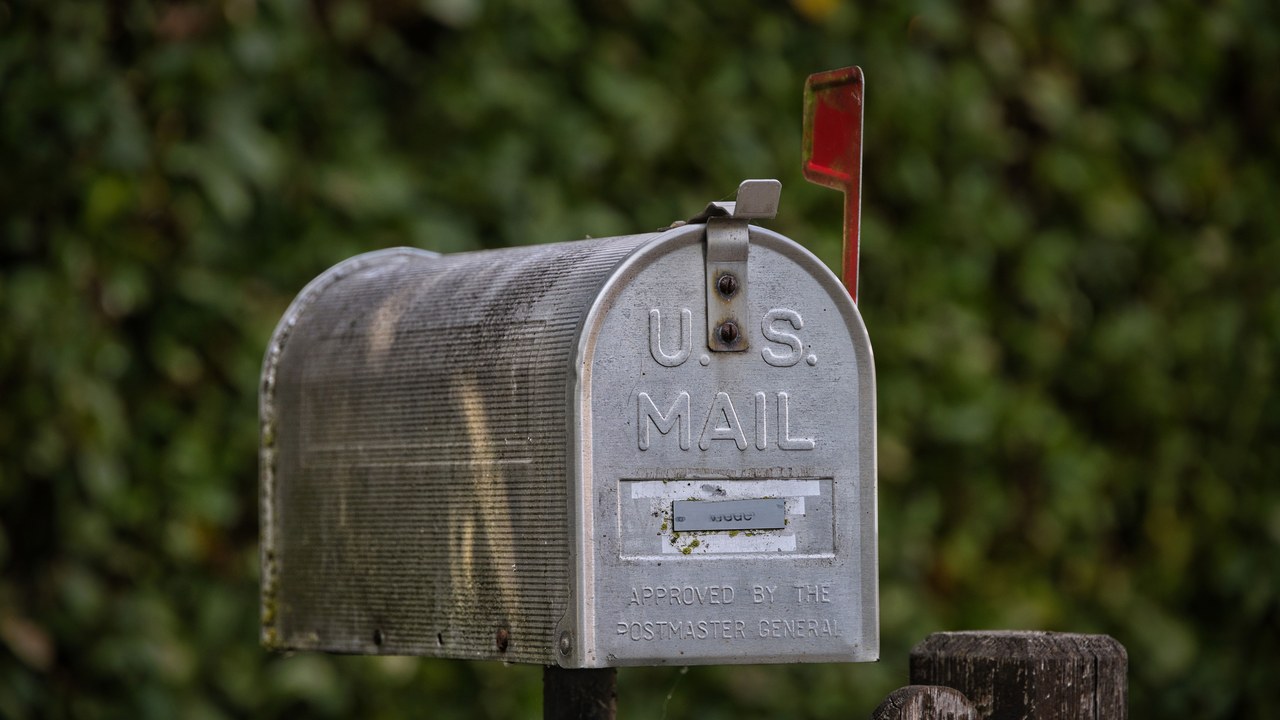
Paper checks are no longer the normal way the federal government pays people. Treasury’s Bureau of the Fiscal Service says the government stopped issuing paper checks for most federal payments starting September 30, 2025, and its public notice still tells anyone who gets a check to switch to electronic payment.
The Fiscal Service runs the government’s payment system, and the notice about the end of paper checks was last updated on February 27, 2026. The message has not softened since it first went up in August 2025. Sign up now, it says, rather than wait for a payment to stall.
Who still gets a paper check
Treasury says no action is needed for most Americans who already receive federal benefit payments or tax refunds electronically. The notice is aimed at the people whose Social Security, veterans benefits or other federal payments still arrive as a paper check in the mailbox. Those are the households Treasury wants moving to direct deposit. People who already get paid electronically do not have to do anything.
The change covers most federal payments, not every one. Anyone unsure which side of that line a particular payment falls on should ask the agency that sends it. For a person who opens the mailbox each month for a federal check, the job is plain: switch to direct deposit, or to a Direct Express debit card if there is no bank account, and do it before a check goes missing. Treasury’s own warning is short: “Don’t wait. Make the switch today to avoid a payment delay!”
What changed this year: Social Security and Medicare change every year, and nobody sends you a memo. The Retirement Money Brief breaks down what changed and what to do. Bonus when you subscribe: our 2026 Social Security & SSI Payment Calendar.
Get the Brief and the payment calendar →
We may earn a commission from links on this page.
Three ways to switch
Treasury’s notice lays out three routes for benefits that are still paid by check. Any one of them starts the switch.
- Contact the paying agency, such as Social Security or the Department of Veterans Affairs. A contact list for each agency is posted at GoDirect.gov.
- Call the Treasury Electronic Payment Solution Center at 1-800-967-6857, open Monday through Friday from 9 a.m. to 7 p.m. Eastern time.
- Enroll online at GoDirect.gov, the Go Direct site that Treasury runs for this purpose.
Whichever route a person picks, they should have the routing number and account number for the account that will receive the money. Both are printed on a check or shown in the bank’s app or online account.
Linda Chero, the Fiscal Service’s Chief Disbursing Officer, says electronic payments such as direct deposit are safer than checks and give quicker access to funds. A check can be lost in the mail, stolen from a mailbox or delayed by a move, and a deposit skips all of that.
No bank account?
The end of paper checks does not require a bank account in the traditional sense. For people who do not have one, Treasury’s notice on the end of paper checks points to two places to look for a low-cost account: the FDIC’s GetBanked site at FDIC.gov/GetBanked and the credit union locator at MyCreditUnion.gov.
The other choice is a Direct Express debit card. Benefits are loaded onto the card each payment day, and the cardholder spends or withdraws the money from there. Treasury says people can sign up by calling 1-800-967-6857 or by contacting the agency that pays them.
Treasury also tells vendors who sell to the government to update their SAM.gov registration with valid bank details. That part of the change reaches businesses, not retirees, and it has its own help desk at 1-866-606-8220.
What happens if nothing changes
Treasury frames the whole effort as a way to avoid trouble, not to punish anyone who is slow. Its page reads like a reminder that the old default, a paper check showing up on schedule, is no longer something the government promises for most payments. The longer a person waits, the more likely a mismatch becomes between how the agency sends money and how the person expects to receive it.
The notice names one consequence: a payment delay. It does not describe a fine, a cutoff of benefits or a lost payment, and it does not set a final date for check recipients. It does say the public can expect enough notice of any added requirements to avoid disruption.
That leaves the practical risk in the delay itself. A person who lives on a Social Security or veterans payment and waits on a check that never comes is the one who feels it. Anyone whose payment stops arriving should call the paying agency first, since the agency controls how that payment is sent.
Treasury also warns about government impersonation scams that ride on news like this. A caller or text that asks for bank details to “keep the check coming” should be checked by contacting the agency through a website or phone number the person already knows is real. The numbers in Treasury’s notice are the safe starting point.
The remaining question is simple, and only the person holding the check can answer it: has the switch actually been made, and did the first deposit land?
Still waiting on a federal paper check?
A check that stops coming, or lands late after a switch, is the kind of problem that leaves a rent or utility payment hanging. The Fiscal Service’s own notice stops at a payment delay and says little about what to do on day one.
The Social Security Check Protection Kit picks up there. It includes a first-24-hours plan for a late or missing payment, so the phone calls and the order of steps are already laid out.
It also carries the 2026 payment calendar, which shows when each Social Security payment is due, so a missing deposit is spotted the day it is late and not the week after.
Get the late-payment plan and 2026 payment calendar in the Check Protection Kit →
More Financial Reading
- 21 Ways to Stretch a $2,087 Social Security Check
- 15 Places to Find Your Share of the $4.25 Billion States Give Back
- 17 Medicare Money Moves Now That Part D Caps at $2,400
This article was produced with AI assistance and edited for accuracy against the sources linked above.