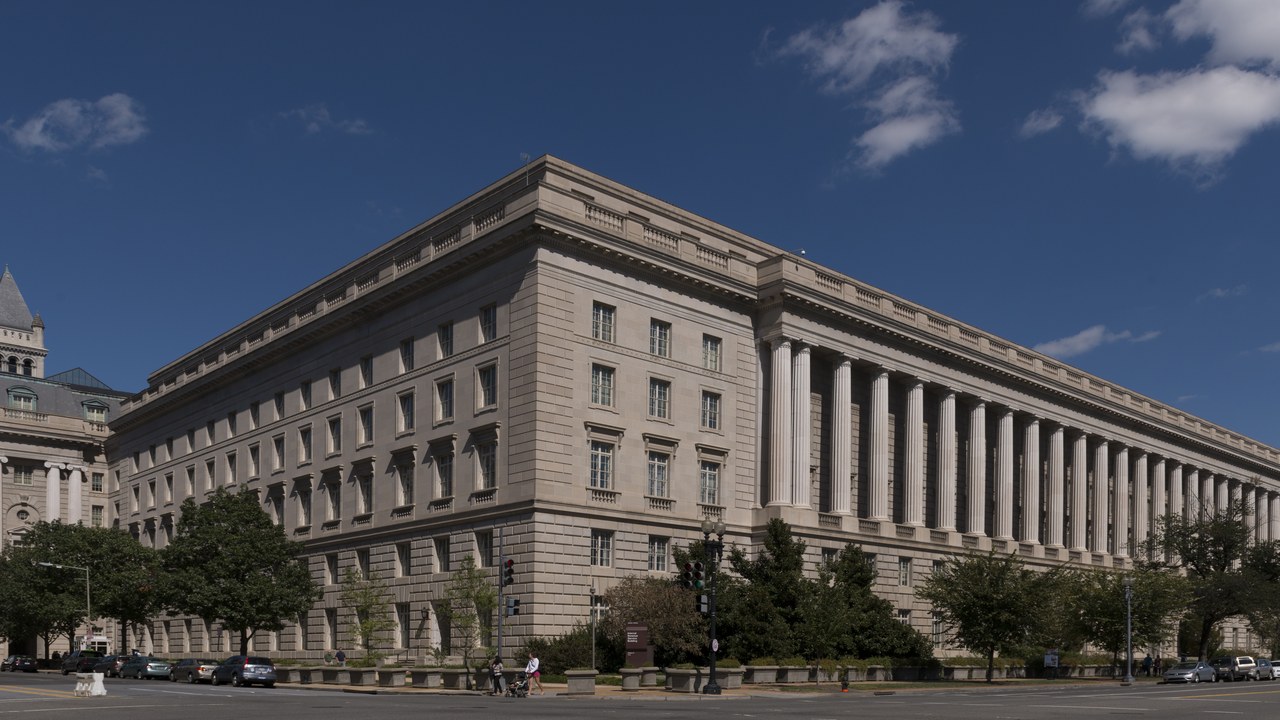
Most people who have heard of LIHEAP at all know it as the program that keeps the heat on in January. Here’s the part that gets far less attention, right as the first hot stretch of the year arrives: in many states, the same program pays summer cooling bills — and in some, it will repair or even help purchase an air conditioner for a household that needs one.
The Low Income Home Energy Assistance Program is federal money, distributed by the Department of Health and Human Services to states, territories, and tribes, which run their own versions of it. That state-by-state structure is why so many eligible families never apply: the rules, the season dates, and even what the program is called on your local agency’s website all vary depending on where you live. Here’s how the cooling side works and how to get an application in before the money runs out.
What LIHEAP cooling help actually looks like
According to the program’s federal home, the Office of Community Services at HHS, LIHEAP exists to help households with home energy costs — heating and cooling — plus energy crises, weatherization, and minor energy-related repairs. On the cooling side, the help typically arrives in one of three forms:
A bill payment. Usually a one-time benefit paid directly to your electric utility for the summer season, sized to income, household size, and energy costs.
Crisis assistance. Faster-track help when a shutoff notice has arrived or service is already disconnected during dangerous heat. Many states treat a disconnection in a heat wave the way they treat a dead furnace in winter — as an emergency with a short response clock.
Equipment help. Some state programs will repair a broken air conditioner or, for households with a medical need or vulnerable member, cover the purchase and installation of a cooling unit or fans.
Not every state runs a cooling component — states decide how to split their federal allotment between winter and summer. The LIHEAP Clearinghouse, the program’s federally funded information arm, keeps a state-by-state table of which states and territories offer cooling assistance and when those programs open and close. Southern and Southwestern states are the mainstays, but the list is longer than people expect.
Who qualifies
Eligibility is income-based, and each state sets its own cutoff within limits federal law allows — commonly expressed as a percentage of the federal poverty guidelines or of the state’s median income, so a household can qualify in one state and miss the cutoff next door. Two general rules travel well, though. First, receiving certain other benefits — SNAP, SSI, or TANF among them — often makes a household automatically income-eligible or fast-tracks the paperwork in many states. Second, you do not have to be behind on your bill to apply for regular (non-crisis) assistance, and both homeowners and renters can qualify — including renters whose utilities are folded into rent, in some states.
Priority typically goes to households with older adults, people with disabilities, and young children — the same groups most endangered by extreme heat. If that describes your household, say so on the application.
How to apply — and why the calendar matters
There is no federal application; you apply through your state’s designated agency, often a local community action agency. Two official starting points will get you to the right door: the federal program page at acf.gov, which links each state’s program, and the National Energy Assistance Referral hotline at 1-866-674-6327, which will point you to the agency serving your county. Depending on the state, you can apply online, by mail, by phone, or in person.
Expect to document identity, address, household members, income for the past month or year (pay stubs, benefit letters), and a recent utility bill. Have the utility account number handy — payments usually go straight to the company.
The calendar is the part that costs people money: LIHEAP is not an entitlement. Funding is finite, applications are generally first-come, first-served, and summer programs in many states open in late spring and close when the money is gone — sometimes within weeks. If your state’s cooling program opens in June, the day it opens is the day to apply, not the day the first shutoff notice arrives. The Clearinghouse’s program-dates table shows each state’s windows.
The scam warning that comes with every benefit
Because LIHEAP is real money, impostors circle it. The rule is simple: LIHEAP never charges a fee to apply or to receive a benefit, and no legitimate worker will call, text, or knock asking for a payment, a gift card, or your full Social Security number to “release” funds. Applications go through your state or local agency — if someone reaches out to you first with an offer of a grant, that’s the tell. HHS asks that suspected LIHEAP fraud be reported to its fraud hotline at 1-800-447-8477.
While you’re at it: fix the leak, not just the bill
A LIHEAP application is also the easiest on-ramp to the related programs that shrink the bill permanently. States route a slice of LIHEAP money to weatherization — insulation, duct sealing, and efficiency repairs — and the same local agencies typically administer the Energy Department’s separate Weatherization Assistance Program. If your cooling costs are high because the house leaks like a sieve, ask the agency to screen you for weatherization while your LIHEAP application is in. One conversation, two programs.
The National Weather Service calls heat one of the leading weather-related killers in the United States, and the households most at risk are usually the ones rationing the air conditioner over money. If that’s your house — or a parent’s — the program built for January works in July too. Apply early.
This article was produced with AI assistance and reviewed by a human editor. Figures are linked to their primary sources; where a claim could not be verified from the public record, we say so.