South Carolina and North Dakota are the two states where USDA’s food-restriction table shows a November 1 start for new limits on what food stamps can buy. The program, formally the Supplemental Nutrition Assistance Program or SNAP, puts benefits on an EBT card that shoppers swipe at the register. In both states, candy and sweetened drinks are on the list of items that card is slated to stop covering.
USDA labels the date a “target implementation date.” That means the day a state aims to begin, not a notice that stores are already turning away sales. The table, which USDA last updated October 13, 2026, lists 23 states that have asked to restrict what SNAP can buy.
What South Carolina plans to restrict
South Carolina’s row names four categories: candy, energy drinks, soft drinks and sweetened beverages. It is the longer of the two lists. USDA’s food-restriction waiver table shows November 1, 2026 as the target for all four.
USDA’s table lists sweetened beverages as a category without a longer definition on the page itself. Shoppers who are unsure about a borderline drink, such as a flavored water or a juice with added sugar, will want the state agency’s guidance before assuming either way.
News reports say the start was pushed back. Newsweek reported that USDA asked South Carolina and North Dakota to move their start dates to November 1 as legal challenges played out. The date on the table matches that report.
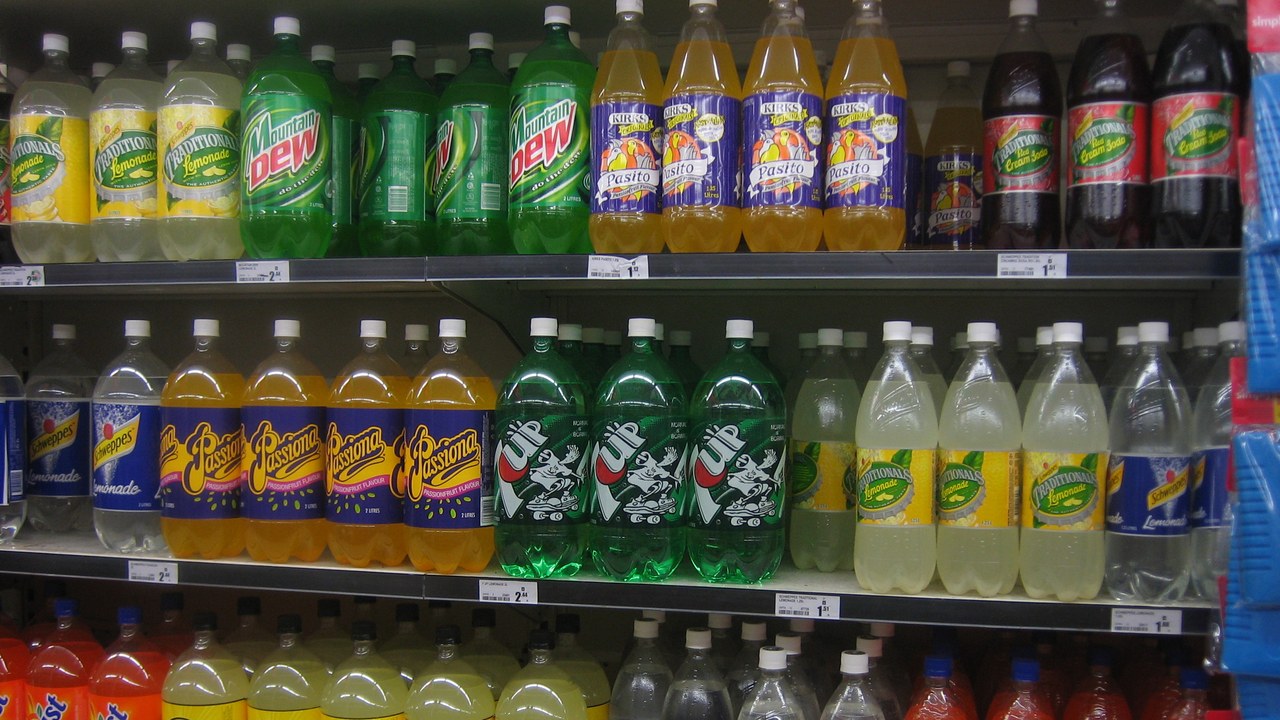
For a household on SNAP in South Carolina or North Dakota, the practical question is what changes at the register on November 1. Soft drinks, energy drinks and candy in South Carolina, and sweetened drinks, energy drinks and candy in North Dakota, are the items named. People who buy them regularly will need to pay for them with cash or another card and keep the EBT balance for the rest of the cart.
Retirement deadlines, in your inbox: Miss an enrollment or claim deadline and the money can be gone. The Retirement Money Brief keeps you ahead of the ones that matter, every weekday.
Get the Retirement Money Brief →
We may earn a commission from links on this page.
North Dakota’s list for the same day
North Dakota’s row restricts sweetened beverages, energy drinks and candy, with the same November 1, 2026 target. The wording differs from South Carolina’s, which says soft drinks and sweetened beverages, but both lists reach candy and energy drinks. A shopper moving between the two states should not assume the lists match item for item.
Energy drinks sit outside the soda category, and both states name them. A shopper who buys them with an EBT card is affected in either state, while a shopper who only buys candy or soft drinks should check which of the two lists applies. USDA’s table also shows no court order or retailer notice on either row, the kind of entry that appears where a plan has been stopped.
The rows describe what the card can buy, and the table covers restricted items and dates. It does not address who qualifies for SNAP, and it lists no change to the monthly benefit amount, which USDA sets in its annual cost-of-living adjustment. A household that gets the same deposit on November 1 would still see it arrive in full, with fewer items it can be spent on.
What a target date means at the register
USDA uses the phrase target implementation date for every state that has not yet started. A date can move, as it did for these two states, and the state SNAP agency and the stores handle the actual switch-over. Shoppers who want to know whether their store has changed over can start with the state agency’s notices.
Other states are further along. USDA’s table shows Indiana and Utah at January 1, 2026, Texas at April 1 and Arkansas at July 1, so the November 1 states are joining a list that has grown all year. Four rows carry no date at all, only a June 22, 2026 federal court order that vacated USDA’s approval and says the limits may not proceed. The South Carolina and North Dakota rows show no such order, which is why their dates stand.
The rest of the table runs from limits already in place to dates well out. Hawaii and Ohio are listed at April 1, 2027, and Nevada at February 1, 2028. Each row stands on its own, so a start date in one state says nothing about the next state over.
Some households will want to plan the first November grocery trip around the list. Candy and drinks are easy to separate from the rest of a cart, and a shopper who knows the categories ahead of time can set aside cash for them rather than find out at the register. The table’s row for each state is the quickest way to check the exact wording.
Where the November 1 date goes from here
USDA’s table is the record the dates come from, and its October 13 update shows November 1, 2026 beside South Carolina and North Dakota. The open question for shoppers in those states is whether the switch happens at their store on that day. The state SNAP agency is the office that answers it, and the waiver table is where any new date would show up first.
Shopping with an EBT card in South Carolina or North Dakota?
Candy and sweetened drinks are small items, but they add up across a month, and a household that learns about the change at the register has no time to plan for it. Renewal dates and reporting rules keep moving too, and a missed date can cost more than a missed soda.
The SNAP & Medicaid Renewal Organizer is built for that second problem. It lays out recertification and reporting step by step, and it comes with 51 state packs and a renewal and reporting calendar so the dates for a given state sit in one place.
Inside are seven parts, from the senior deductions that raise a SNAP benefit to the steps for reporting changes and EBT problems, plus a renewal document checklist.
Get the 51 state packs and renewal calendar in the SNAP & Medicaid Renewal Organizer →
More Financial Reading
- 21 Ways to Stretch a $2,087 Social Security Check
- 15 Places to Find Your Share of the $4.25 Billion States Give Back
- 15 Ways Out of 22% Credit Card Interest
This article was produced with AI assistance and edited for accuracy against the sources linked above.