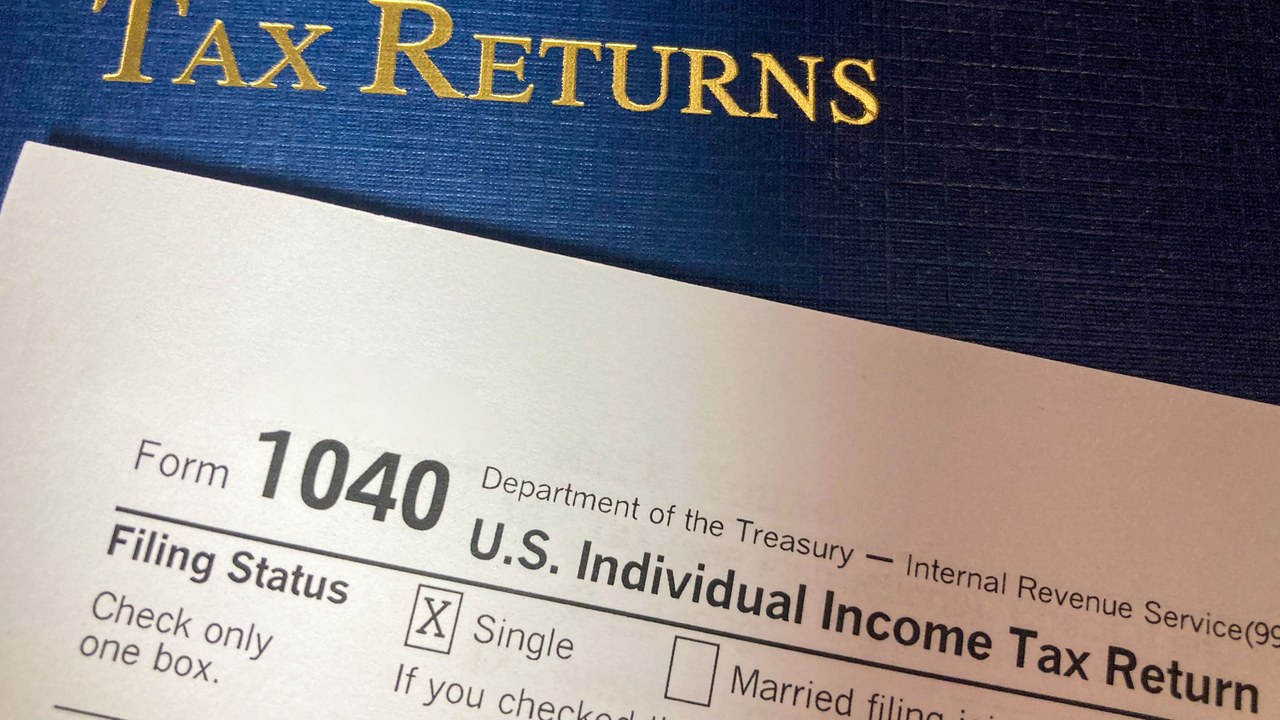
The IRS generally forfeits a refund by law if the claim comes in more than three years after the return was filed or two years after the tax was paid, whichever is later. The Taxpayer Advocate Service, the independent office inside the IRS, laid out the rule in an April 9, 2026, tax tip aimed at people with past-due returns. Its message is blunt: if a claim is not filed in time, the refund claim will be denied.
The deadline has a name, the Refund Statute Expiration Date, or RSED. It is the last day to file a claim for credit or refund for a given tax year, and the IRS generally does not notify anyone before it passes. A person who is owed money has to track the date alone.
Who has to watch it? Anyone who never filed a return for a year in which tax was withheld from wages or other income, or in which estimated payments were made. It also covers people who qualify for the Earned Income Tax Credit, the Additional Child Tax Credit or the Premium Tax Credit, and anyone who received a CP 81 notice, which means the IRS holds payments or credits for a year with no return on file.
Retirement deadlines, in your inbox: Miss an enrollment or claim deadline and the money can be gone. Join the Retirement Money Brief and we’ll send you our IRS Refund Delay Tracker as a welcome gift.
Get the Brief + the refund tracker →
We may earn a commission from links on this page.
The three-year and two-year rules
According to the Taxpayer Advocate Service, a claim for refund is due within three years from the date the original return was filed, including extensions, or within two years from the date the tax was paid, whichever is later. A properly filed original or amended return can serve as the claim.
When a claim comes in late, the IRS will not issue the refund. The overpayment is forfeited by law, and it cannot be applied to another tax year.
How the dates work out in practice
Tax withheld from paychecks and estimated tax payments count as paid on the original due date of the return, not on the day the money was withheld or sent. Payments made later count on their actual payment date. That rule is why a return filed on time and a return filed late can end up with very different cut-off dates.
By the three-year rule, a 2022 return filed on the April 18, 2023, due date had a refund deadline of April 18, 2026, which has passed. A 2023 return filed on its April 15, 2024, due date runs to April 15, 2027. A person who filed a 2022 return late, on October 15, 2024, has until October 15, 2027, by the same count.
A smaller refund even when the claim is on time
The Taxpayer Advocate Service says the amount of the refund is limited. When the claim is filed within the three-year window, the refund is limited to tax paid in the three years before the claim. When the claim falls outside that window but inside the two-year rule, the refund is limited to payments made in the two years before the claim.
For a person who skipped several years of returns, that means each year has its own clock. The oldest years can lapse while the newer ones are still open, so filing the oldest missing return first matters.
Exceptions and what a denial means
The IRS lists exceptions for bad debts, worthless securities, net operating loss carrybacks, declared disasters and financial disability, and points to IRS Publication 556 for the details. The rule applies in the ordinary case.
If the IRS denies a claim, it sends a disallowance letter, such as a Letter 105C or 106C. A taxpayer then has two years from the date of the notice to sue in U.S. District Court or the U.S. Court of Federal Claims, and asking for reconsideration or appealing does not extend that two-year period.
Why file even when no refund is left
The Taxpayer Advocate Service gives other reasons to file past-due returns. Filing protects Social Security benefits, avoids trouble getting loans and prevents the IRS from filing a return on a taxpayer’s behalf. It advises filing as soon as possible and getting help from a tax professional, the Taxpayer Advocate Service or a Low Income Taxpayer Clinic for anyone the IRS has contacted about a year’s return.
For a retiree who stopped filing after leaving work, the open question is which years are still inside the window, and the answer turns on the filing and payment dates for each one.
Which unfiled year is closest to its refund deadline?
The cost of a missed return is steep: a refund that was withheld from a paycheck can be forfeited for good once the three-year line passes, and the IRS does not send a warning. The Taxpayer Advocate Service says a late claim is denied and the overpayment cannot be used on another year.
The IRS Refund Recovery Kit covers the 3-year refund deadline, so a household can work out which years are still open. It also includes a notice decoder for IRS letters and a refund status tracker spreadsheet to keep each year’s date and status in one place.
Work out each year’s refund cutoff with the 3-year deadline guide in The IRS Refund Recovery Kit →
More Financial Reading
- 21 Ways to Stretch a $2,087 Social Security Check
- 15 Places to Find Your Share of the $4.25 Billion States Give Back
- The New $6,000 Senior Deduction and 14 More Tax Moves for Retirees
This article was produced with AI assistance and edited for accuracy against the sources linked above.