
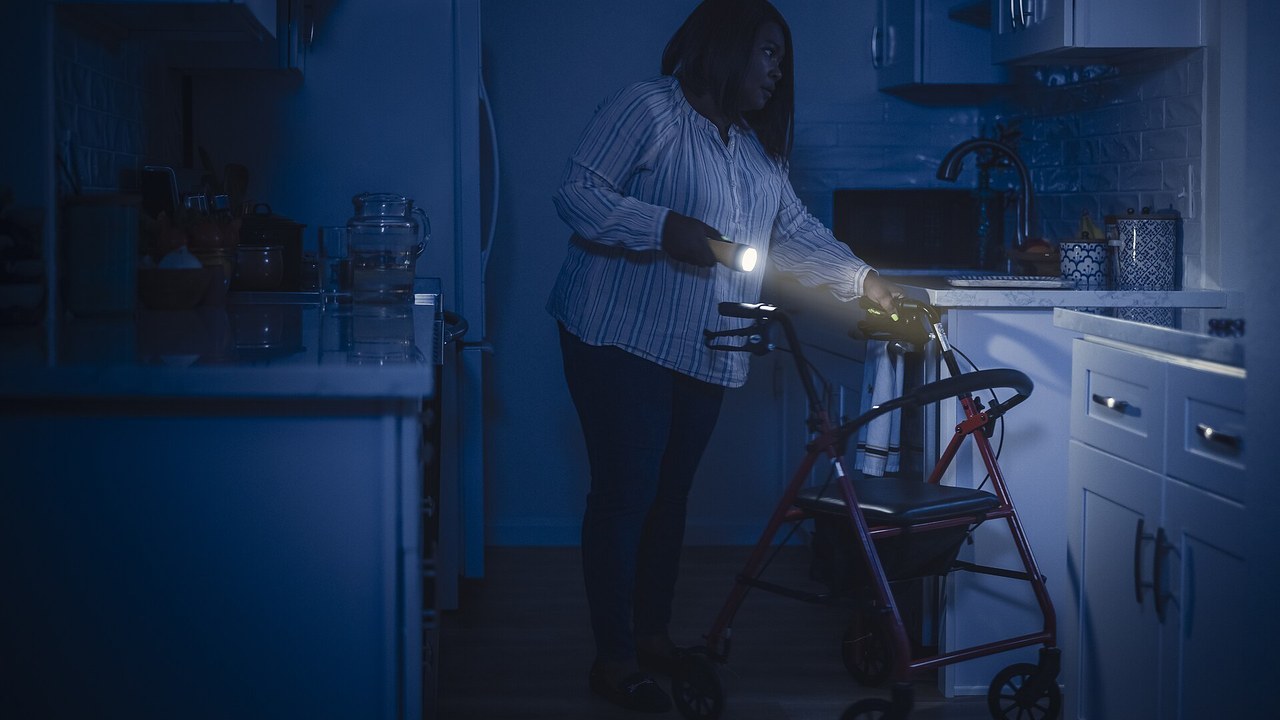
A freezer full of spoiled food after a storm is a hit most SNAP households cannot absorb, and the clock to fix it starts the day the food is lost. Households on SNAP that lose groceries to a power outage or other disaster generally have just 10 days to report the loss if they want replacement benefits.
The federal rule at 7 CFR 274.6 sets that 10-day limit for food destroyed in a household misfortune, requires a signed statement of the loss, and caps replacement at one month’s allotment. Mississippi’s Department of Human Services says the loss must be reported within ten days of the date it occurred. New York’s rules use the same 10-day window, and Florida’s current hurricane response shows how a state can set its own date on top of it.
Which losses count, and who can ask?
Replacement is for current SNAP households whose food was bought with SNAP benefits and then destroyed. The point is to make up the loss of groceries the household already paid for, not to add new benefits. Mississippi lists floods, fires and severe weather, and says a power outage counts when it lasted four hours or longer and came directly from a weather event. People who are not yet on SNAP are told to apply first.
So the question for a household after an outage is whether the food was lost to a covered event, and whether the 10 days are still running. Anyone who is unsure should count the 10 days from the day the power went out or the food was ruined, not from the day the spoiled food was thrown away.
Free retirement updates: Miss an enrollment or claim deadline and the money can be gone. The free Retirement Money Brief keeps you ahead of the ones that matter, every weekday.
We may earn a commission from links on this page.
What a replacement request involves
In Mississippi, a household contacts its local office within the 10 days and submits the Household Statement of Food Loss Due to Household Disaster, Form EA 508, by mail, in person, online, by email or by fax. The form asks for the value of the food lost. The state’s client services line is 800-948-3050.
New York works in two steps. A household reports the loss within 10 days, then returns a signed form LDSS-2291 within 10 days of that report. If the tenth day lands on a weekend or holiday, a statement that arrives the next business day is accepted.
How much comes back?
Replacement is not open-ended. Mississippi says benefits can cover the amount of the loss, but no more than the maximum SNAP benefit the household was issued for the month. A household that lost $120 of groceries would be reimbursed for that, while one that lost far more is limited by its monthly allotment.
Florida uses the same ceiling in its Hurricane Isaias response, offering replacement up to the household’s previously approved monthly SNAP benefit amount.
When a state sets its own deadline: Florida’s Oct. 19 date
Disasters are when the standard window can change. Florida’s Department of Children and Families says SNAP households hit by Hurricane Isaias in 14 counties must finish the request by Monday, October 19, 2026. The counties are Bay, Calhoun, Escambia, Franklin, Gadsden, Gulf, Holmes, Jackson, Jefferson, Leon, Okaloosa, Santa Rosa, Walton and Washington.
Nine of those counties need no proof of food loss. Households in Franklin, Gadsden, Gulf, Jefferson and Leon must upload proof, through the state’s MyACCESS portal, of a power outage lasting four hours or more. The request is the “Individual Replacement Request” button in the portal’s green banner.
New York has done the same. After an April 2022 storm, a directive gave households in listed upstate counties until May 15, 2022 to report food losses. That is why official notices say households “generally” have 10 days: the state agency is the final word for a given disaster.
Keeping the 10 days from slipping by
Older adults and people who rely on a fixed income are often the ones with the least room to replace a week of groceries out of pocket, which makes the first call more important than the paperwork. Calling or reporting online first protects the date, and the form details can be sorted out with the caseworker afterward.
The practical lesson from all three states is to write down the date the loss happened, list the food that was thrown out with a rough dollar value, and contact the county office the same day or the next. In Florida’s five proof counties, that means documenting how long the power was out.
USDA’s own disaster page for Florida shows how often the window moves. For Hurricane Idalia in 2023, the listing records a mass replacement for 14 counties and a separate timely-reporting waiver for seven of them, Dixie, Hamilton, Jefferson, Lafayette, Madison, Suwannee and Taylor, that ran through September 19, 2023.
Anyone who misses the standard window is not necessarily shut out after a declared disaster, since states can extend it, but the state has to announce the extension. Local SNAP offices and the state benefits website are where those notices appear first, so checking both after a storm is worth the few minutes it takes.
Food spoiled in an outage and the days are running?
The cost of a slow response is plain. A household that waits past the window can lose the chance to recover groceries it already paid for with SNAP, and the paperwork rules change from state to state and storm to storm.
The story’s money question is how to get the food replaced in time, and the related job is keeping SNAP reporting dates straight. The SNAP & Medicaid Renewal Organizer includes 51 state packs and a renewal and reporting calendar, and Part 7 covers reporting changes and EBT problems, so a household has its own state’s deadlines and office contacts in one place before the next storm.
Get the state reporting calendar and checklist for replacement-request deadlines →
More Financial Reading
- 21 Ways to Stretch a $2,087 Social Security Check
- 15 Places to Find Your Share of the $4.25 Billion States Give Back
- 15 Steps to Stop the Scams That Took $7.7 Billion From Seniors
This article was produced with AI assistance and edited for accuracy against the sources linked above.


