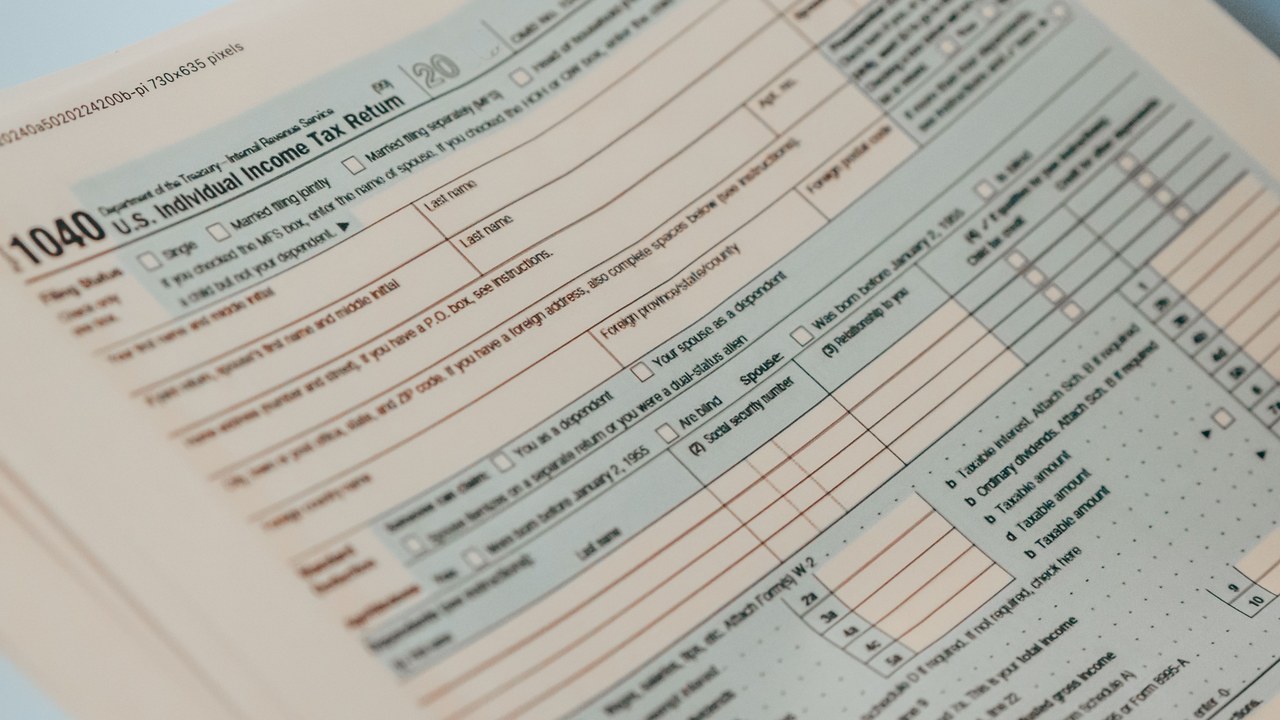
The Internal Revenue Service gives taxpayers a fixed window to ask for money back on an old return, and once the window shuts, the money stays with the Treasury. The IRS’s page on the time limit for claiming a credit or refund says the deadline is generally the later of two dates: three years from the day the return was filed, or two years from the day the tax was paid. A claim filed after both dates has no right to a payout, unless one of a short list of exceptions applies.
How the three-year clock is counted
The clock starts on the day the return was filed, not at the end of the tax year. A return filed before its due date is treated differently from one filed on time: the IRS says it considers an early return filed on the due date, so the three years run from the due date. A taxpayer who filed in February has no extra head start from filing early.
Tax withheld from paychecks and estimated tax payments follow the same logic. The IRS says it treats those payments as made on the return due date, regardless of when the money actually left a paycheck or bank account. That matters for the two-year rule, which counts from the date the tax was paid.
Because the deadline is the later of the two dates, most people with a withholding refund end up relying on the three-year rule, since the two-year window usually closes first. The two-year rule matters mainly when tax was paid after the return was filed, for example after a bill arrived.
For anyone asking whether there is still time to claim a refund from an old year, the answer comes down to two dates on the calendar. The first is the date the return was filed, or the due date if it went in early. The second is the date the tax was paid, where withholding counts as paid on the due date. Whichever of the two produces the later deadline governs. A taxpayer who never filed for a year in which tax was withheld has a refund waiting, but only until three years after that year’s due date.
A refund left unclaimed past the three-year window is gone for good, and the cutoff runs from the filing date, not the tax year. The IRS Refund Recovery Kit includes the 3-year refund deadline, so the years that are still open can be sorted from the ones that have closed.
Work out the three-year refund cutoff for an old return with the kit →
Two limits on how much comes back
Meeting the deadline is one test. The size of the refund is a second one. The IRS page says a claim filed within three years of the return is limited to what was paid during the three years before the claim, plus any extension of time to file. A claim filed more than two years after the payment is limited to what was paid in the two years right before the claim.
In practice, a return filed late for a year long past can still produce a refund only if the payments that created it fall inside that lookback. A person who files an old return and asks for a refund on money paid far earlier can find that the oldest payments have aged out. The page spells out the result for a missed deadline plainly: no credit and no refund.
Four exceptions that add time
The IRS page names four situations that change the deadline. A written agreement with the IRS to extend the period for assessing tax pushes the refund deadline to the agreement’s time limit plus six months. Service in a combat zone or a contingency operation can bring additional time, but the page says certain requirements must be met, and it points to IRS Publication 3 for the details.
A bad debt or a worthless security loss gets a much longer window: seven years from the due date of the return for that year. A presidentially declared disaster is the fourth. For that one, the IRS says a taxpayer may have up to one more year to claim a credit or refund.
The page does not list other exceptions, and it does not give a dollar total for refunds that go unclaimed each year.
How a claim gets filed
The IRS says an income tax refund claim goes on the original Form 1040 or on an amended return, Form 1040-X. Paper amended returns are mailed to the IRS service center where the original return was filed. Electronic filing of Form 1040-X is available for the current year and the two prior years, with up to three amended returns per tax year. Claims for other taxes and penalties, outside income tax, use Form 843.
Sorting the open years from the closed ones
The free place to confirm a deadline is the IRS itself, whose refunds section leads to the time-limit page quoted above. Start with a list of every year without a filed return, then write down for each year the date the return would have been filed and the date any tax was paid. Withholding counts as paid on the return due date.
For each year, add three years to the filing date and two years to the payment date, and use the later result. Then check whether one of the four exceptions applies, such as a disaster declaration or military service, since those can add time. The years closest to their cutoff are the ones to file first.
Copies of old W-2s, 1099s and prior-year returns are the records a claim draws on. The IRS page is blunt about the stakes: a claim filed after the window gets no credit and no refund.
An old return, a three-year clock already running
A refund claimed after the three-year cutoff cannot be paid, and the cutoff runs from the filing date, so an old return can close without a reminder. The IRS Refund Recovery Kit includes the 3-year refund deadline alongside a notice decoder and a refund status tracker spreadsheet, so each open year and each IRS letter can be tracked in one place.
Track each old return against its refund cutoff with the IRS Refund Recovery Kit →
This article was produced with AI assistance and edited for accuracy against the sources linked above.