
Vermont Gas Systems says a typical residential customer’s yearly gas bill would drop about $21.73, to $1,726.67, on bills rendered on or after Nov. 1, 2026. The figure rests on two cuts that the Vermont Public Utility Commission has not yet approved. The company laid out the numbers in a Sept. 1 customer notice, and it works out to about $1.81 a month.
Three changes behind the number
The notice combines three separate rate actions. The first is already settled. By order dated Aug. 7, 2026, the commission approved a base rate increase of 0.61 percent in Case 26-1298-TF.
The second is pending. Vermont Gas filed on Aug. 27 to cut its Natural Gas Charge by 6.0 percent, the pass-through for the cost of the gas itself, which lowers the firm rate by 1.84 percent. That is Case 26-1733-TF. On the current gas charge of $0.4964 per CCF, a 6 percent cut works out to about 3 cents per CCF, by simple arithmetic.
The third is also pending. The residential assistance program fee would fall 9.39 percent, from $0.43 to $0.39 a month, in Case 26-1756-TF. Together the three changes net out to an overall decrease of 1.47 percent for all firm customers if the two pending cuts are approved. The notice says the changes depend on the regulatory review process.
For a Vermont Gas customer, the question is how a $1.81 monthly drop compares with the bill itself, and whether help with a winter heating budget is worth lining up while the cuts wait for a ruling.
A $1.81 monthly drop barely dents a $1,726.67 yearly gas bill, and it is not certain until the commission rules. The Senior Property Tax & Home-Cost Relief Kit covers heating, cooling and home-repair help, along with an application log and renewal calendar.
Line up heating and home-repair bill help with the Home-Cost Relief Kit →
What the bill looks like today
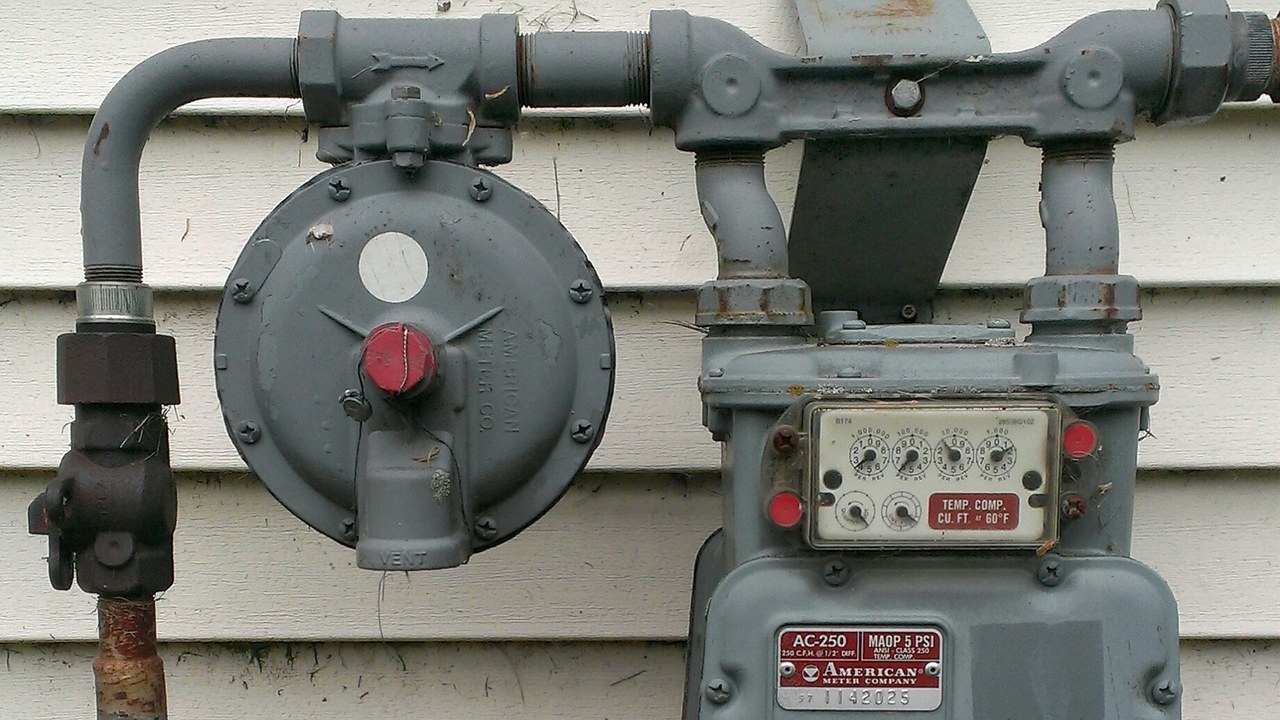
Vermont Gas’s rates page lists the residential Rate R in effect since Aug. 4, 2026. It has a daily access charge of $1.0237, a gas charge of $0.4964 per CCF, a distribution charge of $0.8735 per CCF and an energy efficiency charge of $0.0642 per CCF. A CCF is 100 cubic feet of gas, the unit the meter counts. The assistance program fee is $0.43 a month.
The notice’s typical-bill figure is a company estimate that includes the pending changes. It does not state how much gas the typical home is assumed to use, so a household with a larger or smaller home should expect a different dollar change. With the notice’s numbers, the typical bill before the change was about $1,748.40 a year.
Why the assistance fee is falling
The fee pays for the Low Income Assistance Program. The rates page says the bill includes a line-item charge of $0.43 per meter per bill to support it. According to the notice, the cut follows a fund balance above $500,000, which is over the target range of $300,000 to $500,000. The notice ties the cut to that balance.
The drop is four cents a month for a residential customer, the smallest piece of the change. Commercial charges are higher, the rates page says.
Help beyond the rate cut
Eligibility for energy assistance runs through the Vermont Department for Children and Families, the rates page says. The department’s Fuel Assistance page, last updated March 19, 2026, says a household may qualify if its gross monthly income is at or below 185 percent of the federal poverty level. Fuel assistance helps pay part of heating bills for owners and renters. Active households also qualify for free weatherization.
Households that received fuel assistance last season get an annual review form. Others can apply through the state’s myBenefits portal, in person at a local district office, or by calling 1-800-479-6151 to request a paper application. The page does not list application dates for the 2026-2027 season.
Watching the commission’s ruling
The free route is the company itself and the state. Vermont Gas Customer Care takes questions at (802) 863-4511 or (800) 639-2112, weekdays from 8 a.m. to 5 p.m., and the gas service programs page lists the company’s residential offers. The commission posts its decisions in the case numbers above: 26-1733-TF for the gas charge and 26-1756-TF for the assistance fee.
Until a ruling, the sensible planning number is the current rate. A household can find its yearly gas total by adding up twelve monthly bills, then compare it with the notice’s $1,726.67 typical figure. If the commission approves the cuts, the first bills reflecting them are those rendered on or after Nov. 1.
Anyone who qualifies for fuel assistance should not wait for the rate ruling to apply. The help is based on household income, not on whether the company’s rates move by $21.73.
A $21.73 cut is small beside winter bills
A typical bill of $1,726.67 leaves most of the cost in place even if the commission approves every cut. The Senior Property Tax & Home-Cost Relief Kit pulls together heating, cooling and home-repair help with an application log and renewal calendar, so each program, date and renewal is tracked in one place.
Get the heating-help programs and renewal calendar in the Home-Cost Relief Kit →
This article was produced with AI assistance and edited for accuracy against the sources linked above.


