
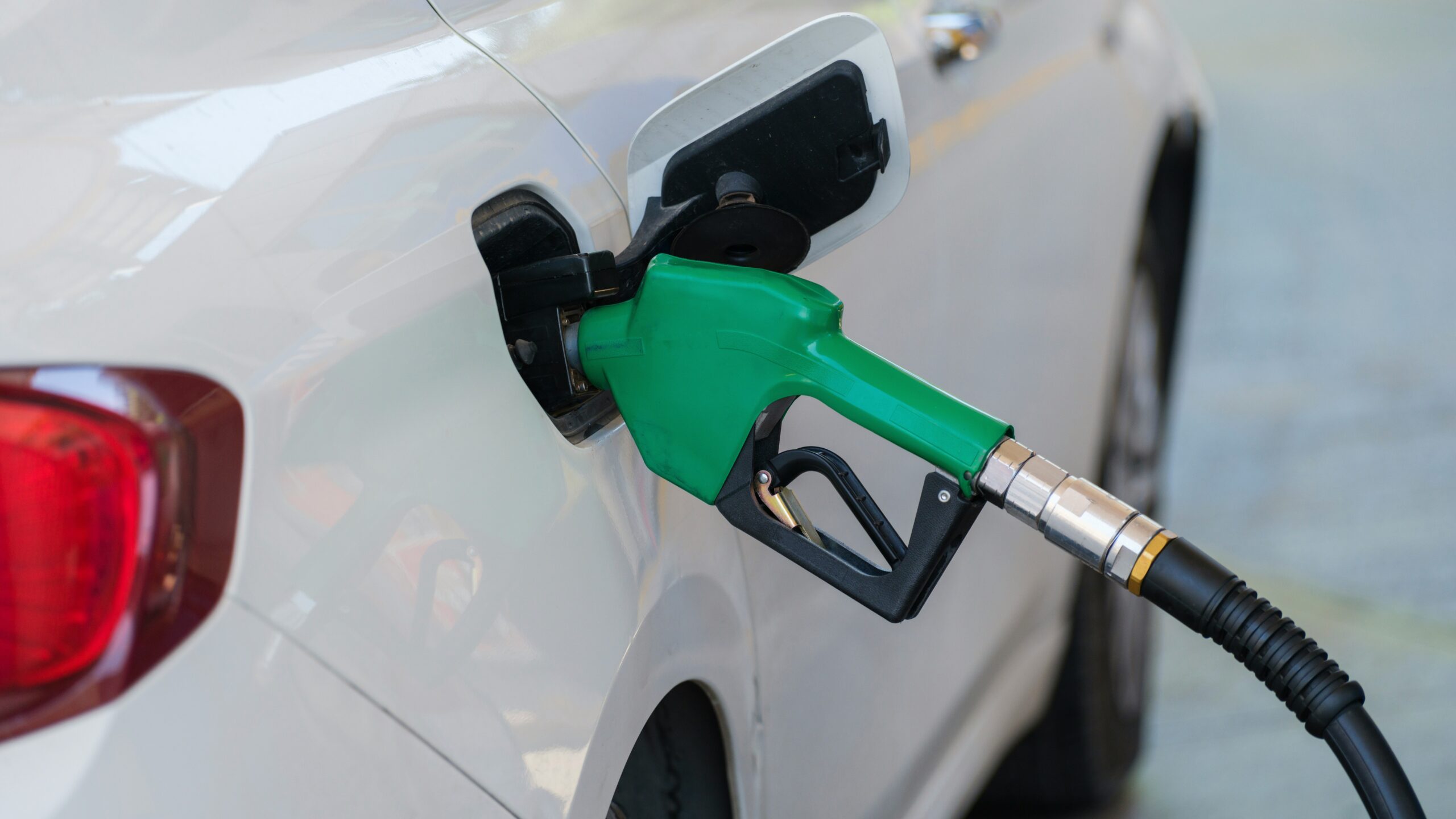
Utah drivers have been paying six cents less per gallon in state fuel tax since July 1, and that discount has a stop date. The Utah State Tax Commission’s fuel rate table lists a temporary motor fuel rate of 31.9 cents a gallon from July 1 through Dec. 31, 2026. The standard rate, in effect since Jan. 1, 2026, is 37.9 cents.
How the cut was passed
The lower rate comes from House Bill 575, which lawmakers pushed through in March as part of an affordability package while gas prices were rising on the Iran conflict, KUER reported. The bill trimmed the state’s share of the gas tax by 15 percent, about 6 cents a gallon, and it was expected to cost the state $11.9 million in revenue.
Sen. Brady Brammer said the aim was simple: “The intent is that this will lower the gas price for our average Utahns.”
The two rates side by side
The commission’s table shows both numbers on the same line of special fuels, which covers gasoline and diesel alike.
- Standard motor fuel rate: $0.379 a gallon.
- Temporary rate, July 1 to Dec. 31, 2026: $0.319 a gallon.
- Difference: $0.06 a gallon.
Six cents does not sound like much, and on one tank it is not. A 12-gallon fill-up carries 72 cents less state tax, and a 15-gallon one carries 90 cents less. A driver who buys 60 gallons a month saves $3.60 a month, and about $21.60 across the six months of the break. For a pickup that burns 150 gallons a month the six-month total is $54.
Utah chose a trim of the tax, not a full holiday from it. The commission’s page describes itself as general guidance and says it does not contain all tax laws or rules.
For anyone in Utah who fills up weekly, the question is what happens on Jan. 1, when the six-month window has closed, and whether the lower rate will carry over into 2027.
Utah’s 31.9-cent gas tax has an end date of Dec. 31, after which the table shows nothing posted for 2027. The Benefits Checklist covers 11 benefit programs and the 2026 income limits for help with the household costs that do not fall on a schedule.
Check the 2026 income limits for 11 benefit programs in The Benefits Checklist →
Nothing posted for 2027
The commission’s rate table runs only through Dec. 31, 2026. It lists no rate for 2027, and no official announcement has said whether the temporary rate will be extended, replaced or allowed to lapse. Legislators wrote the bill to cover July through December, and the table follows that window. A rise back to 37.9 cents on Jan. 1 is what the posted rates point to, unless lawmakers act first.
Fuel dealers and drivers should not assume the break continues. The commission is the agency that publishes the official numbers, and its page is the place a new rate would appear.
Other fuels and fees on the same table
The same page lists the rates for fuels other than gasoline and diesel. Compressed natural gas, liquefied natural gas and hydrogen are taxed at $0.212 per gasoline or diesel gallon equivalent, effective Jan. 1, 2026. Electricity and propane are exempt. An Environmental Assurance Fee of $0.0065 per gallon applies on top of motor fuel, a charge that has been in place since 2015.
The page also shows aviation fuel rates, from 2.5 cents to 9 cents a gallon depending on the type of carrier. Those rates have not changed since 2001 and 2009.
Planning for a Jan. 1 change at the pump
The Tax Commission’s page is the official word on every fuel rate in the state, and it is worth a look again in late December. If the table shows 37.9 cents on Jan. 1, regular gasoline would carry six cents more in state tax than it does now.
A household that drives a lot can write down its monthly gallons and multiply by $0.06 to see the January bump in dollars. For someone buying 50 gallons a month, that is $3. It is a small number, and it is worth separating from larger moves in the oil market, which the Energy Department tracks in its Short-Term Energy Outlook.
Anyone who runs a farm, a delivery route or a small hauling business should do the same math on diesel gallons, since the same temporary rate applies to special fuels.
Utah’s six-cent break ends Dec. 31
A 6-cent cut on a tank is easy to lose in the noise of a winter heating bill, and winter is when the other costs add up. The Benefits Checklist, an 84-page guide, goes through 11 benefit programs with the 2026 income limits and a 50-state phone directory. It includes programs for heating, food and medical costs that must be applied for.
Find the benefit programs that offset winter bills in The Benefits Checklist →
This article was produced with AI assistance and edited for accuracy against the sources linked above.


