
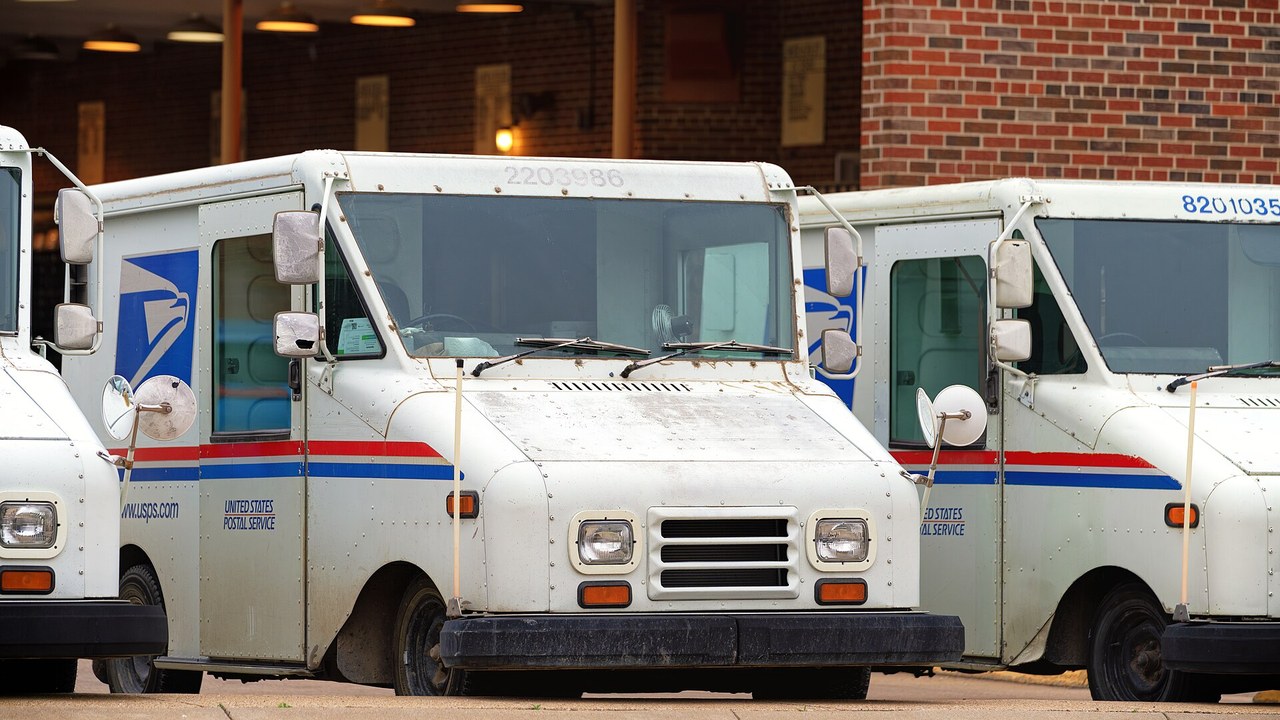
Destinee Ruffin, 29, a former letter carrier at the Bacon Station Post Office in Indianapolis, pleaded guilty on Oct. 9, 2026, to running a $34 million conspiracy to commit bank fraud by stealing checks from the mail. The U.S. Attorney’s Office for the Southern District of Indiana says in its plea announcement that about 6,500 people are estimated to be victims. Ruffin is scheduled to be sentenced on Oct. 27 by U.S. District Judge Sarah Evans Barker.
Affiliate links — we may earn a commission.
Who may be among the 6,500
Prosecutors did not publish a list of victims, and they say notifying each one individually is impractical. Instead the office describes who might be affected: anyone who lived or worked on the Bacon Station route, anyone who mailed a paper check between November 2020 and May 2022, and anyone who did not receive an expected mailing in that stretch.
That is a wide net for a city route, and it covers a lot of older households that still pay bills, rent and insurance by check. People who fit any of those three descriptions are told to watch the case page on the Justice Department’s site for updates. Questions go to Victim Witness Coordinator Stephanie Lloyd at 317-229-2406. The release does not say how the 6,500 estimate was reached, and it does not say how much money any one victim lost.
The release also does not say that stolen mail was matched to names found on broker lists, and nothing suggests it was. Still, a name and a street address are what a mailed check carries anyway, and the same details sit on many people-search sites. For households that want those listings gone, Incogni sends removal requests to those brokers for you.
From a mail route to a buyer
According to the Justice Department, Ruffin used access to both incoming and outgoing mail from November 2020 to May 2022 to steal checks, then sold them to co-conspirators. The buyers did not cash the checks as written. They recruited other people to deposit them and, in at least one branch of the scheme, changed the payee information first.
One buyer was John Young. He bought stolen checks from Ruffin and worked through mid-level conspirators, mainly Eric Hollis and Kendall Thompson, who deposited checks and lined up account holders. Prosecutors say Young also listed stolen checks for sale on Telegram. Ruffin supplied Young with more than $12 million in stolen checks.
The other buyer was Tony McMullen, who paid Ruffin through Cash App. Prosecutors say McMullen recruited people on social media to deposit altered checks, then collected the money through Cash App or Zelle. He negotiated 36 checks worth about $235,632. Ruffin supplied McMullen with more than $235,000 in checks.
How investigators found the route
Investigators traced the thefts by mailing controlled Treasury checks with recorded serial numbers and following them back to Ruffin’s delivery route. In April 2024, a search of Ruffin’s vehicle, home, person and devices turned up thousands of stolen checks worth more than $20 million that had not yet been sold. The $34 million figure is the office’s total for the conspiracy; the $20 million is the amount recovered unsold.
The U.S. Postal Service Office of Inspector General, the U.S. Postal Inspection Service and the Treasury Inspector General for Tax Administration investigated. Assistant U.S. Attorney Adam Eakman is prosecuting. The case was brought under what the release calls the Trump Administration’s Task Force to Eliminate Fraud.
What the others received
Three of the buyers and depositors have already been sentenced, according to the announcement. McMullen got two years and nine months in prison, three years of supervised release and was ordered to pay $121,270.30 in restitution. Hollis received one year and one day, with three years of supervised release and $117,275.30 in restitution. Thompson received four months, with three years of supervised release and $9,320.05 in restitution. All three pleaded to conspiracy to commit bank fraud.
Young faces charges of attempt and conspiracy to commit mail fraud and three counts of bank fraud, and his sentencing date has not been announced. Ruffin’s own plea is to conspiracy to commit bank fraud and theft of mail. The release does not list a maximum penalty, and a sentence is not set until Judge Barker rules on Oct. 27.
Mailing checks with less exposure
The Postal Inspection Service’s mail theft guidance is short. It says to pick up mail quickly rather than let letters sit in a mailbox or at the door, and to use Hold Mail Service when away. It says to avoid mailing cash, and to ask the sender about any expected check or credit card that never arrives. For high-value items, it suggests Signature Confirmation. People who move should file a change of address with the Postal Service and tell their financial institutions.
Mail theft can be reported to postal inspectors at uspis.gov/report or by phone at 1-877-876-2455. A written note of each check’s number, amount, date mailed and payee makes any report, and any call to a bank, faster. Because the thieves in this case changed payees, the name on a cleared check deserves as much attention as the dollar amount on the statement.
Anyone who thinks a check from those years was taken can also follow the case page and call the victim coordinator before Oct. 27. The court date is when Ruffin’s sentence, and possibly restitution, will be set.
Names on checks, names on broker lists
A stolen check gave these buyers a name, an address and an account number to work with, and people-search sites list names and addresses openly. Incogni asks data brokers and people-search sites to remove personal information, sends removal requests on a person’s behalf and keeps re-sending them. Less personal data on broker lists can mean fewer scam calls, texts and emails, and the status of each request shows in the account.
Send removal requests to people-search sites with Incogni →
This article was produced with AI assistance and edited for accuracy against the sources linked above.


