
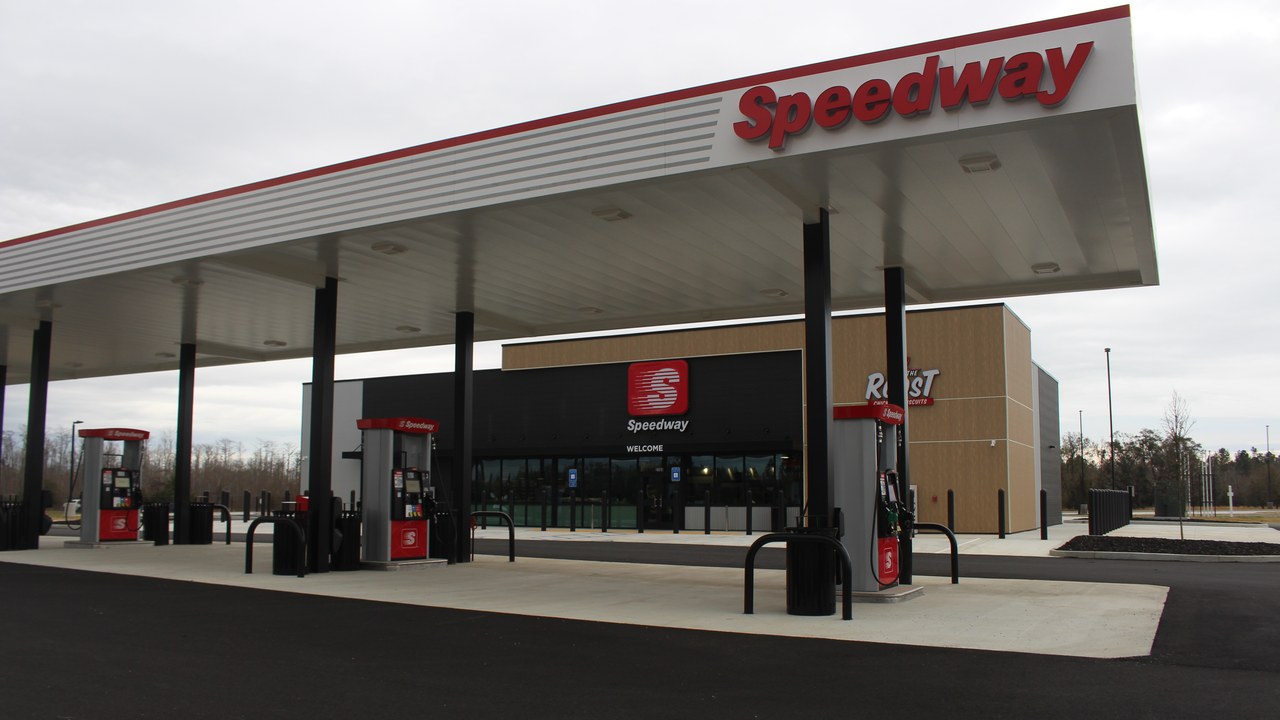
At 12:01 a.m. on Sunday, Oct. 4, Ohio’s state tax on a gallon of gasoline dropped from 38.5 cents to one-hundredth of a cent. The diesel tax fell from 47 cents to the same $0.0001. The Ohio Department of Taxation says the break lasts until 11:59 p.m. on Jan. 2, 2027, which takes in Thanksgiving, Christmas and the first stretch of winter driving.
Where the break came from
House Bill 519, signed by Gov. Mike DeWine on Oct. 1, set up the holiday. The state is moving $725 million out of its reserve funds to cover the lost tax money in full, so road and bridge maintenance projects are not cut to pay for cheaper fuel. Tax Commissioner Patricia Harris said her department is “moving quickly to support retailers and businesses in executing this transition smoothly.”
The holiday reaches only the state’s own motor fuel tax. Anything else built into the price at the pump stays where it was. The new rate began on a Sunday morning, three days after the governor signed the bill.
What a tank saves
The math is simple. A driver who buys 12 gallons of gasoline skips $4.62 in state tax. A 15-gallon fill-up skips about $5.78, and a 20-gallon fill-up skips $7.70. Diesel is worth more: 30 gallons carries $14.10 in state tax at the old 47-cent rate, and a farm or delivery truck taking on 100 gallons skips $47.
Someone who fills up once a week at 12 gallons would skip roughly $60 in state tax over the 13 weeks from Oct. 4 to Jan. 2, if the full amount shows up on the price sign. That is arithmetic on the department’s rates, not a figure the state has published.
For anyone who drives to a pharmacy, a doctor or a church every week, the question is how much each tank saves and how long the lower pump price will last, and the holiday is also a moment to look at what other household bills could shrink.
Ohio drivers keep about $5.78 a tank in state tax through Jan. 2, but fuel is only one household cost that has climbed this year. The Benefits Checklist lays out 11 benefit programs and the 2026 income limits that decide who can apply for help with heating, food and medical bills.
See the 11 benefit programs and 2026 income limits in The Benefits Checklist →
The first weekly price survey
The U.S. Energy Information Administration’s weekly fuel update has the first numbers. Its Monday, Oct. 5 survey put Ohio’s average gasoline price down 43.4 cents from the week before, among the largest weekly drops the survey lists. Cleveland fell 46.7 cents. The national average slid 11.1 cents to $4.354 a gallon in the same week.
Ohio’s drop was larger than the 38.5-cent tax cut, in a week when prices across the country were also falling. The next EIA update is due Oct. 14, and it will show whether Ohio’s prices keep their lead over the national average.
The pass-through rule
Ohio law requires fuel retailers to pass the entire savings on to consumers at the pump. The department says failing to do so may be treated as an unfair or deceptive practice and can be referred to the Ohio Attorney General’s Office. Retailers can apply to the state for reimbursement of the tax differences they paid by March 1, 2027.
The department says fuel prices across the state are expected to drop to reflect the lower tax. A station that still shows a price built on the old tax is something the attorney general’s office takes complaints about through its consumer complaint form.
What happens after Jan. 2
The department’s pages list the holiday as ending at 11:59 p.m. on Jan. 2, 2027, and show no extension. The first full day with the regular rates in force would be Jan. 3.
Drivers planning a long trip around New Year’s can use the last days of the window: the lower rate applies to fuel sold through 11:59 p.m. on Jan. 2, and the department has not posted anything for the days after.
Keeping track of pump prices until Jan. 2
The Department of Taxation keeps the holiday rules and dates on its motor fuel tax holiday page, and the department’s phone line, 1-855-466-3921, is listed there for questions. A receipt from the last fill-up before Oct. 4 makes a handy yardstick against the price paid now.
It also helps to note the gallons and the price per gallon on each receipt, because the weekly EIA average gives a state-wide picture but not the local one. A station that charges well above the Ohio average on a day when nearby stations are lower is worth a second look before filling up.
The state tax is gone, but the heating bill is not
Cheaper gas does not touch a gas heating bill or a pharmacy bill, and several state and federal programs that do are opt-in and have income cut-offs. The Benefits Checklist runs through 11 benefit programs, with the 2026 income limits and a 50-state phone directory, in 84 pages.
Go through the 11 programs in The Benefits Checklist before Jan. 2 →
This article was produced with AI assistance and edited for accuracy against the sources linked above.


