
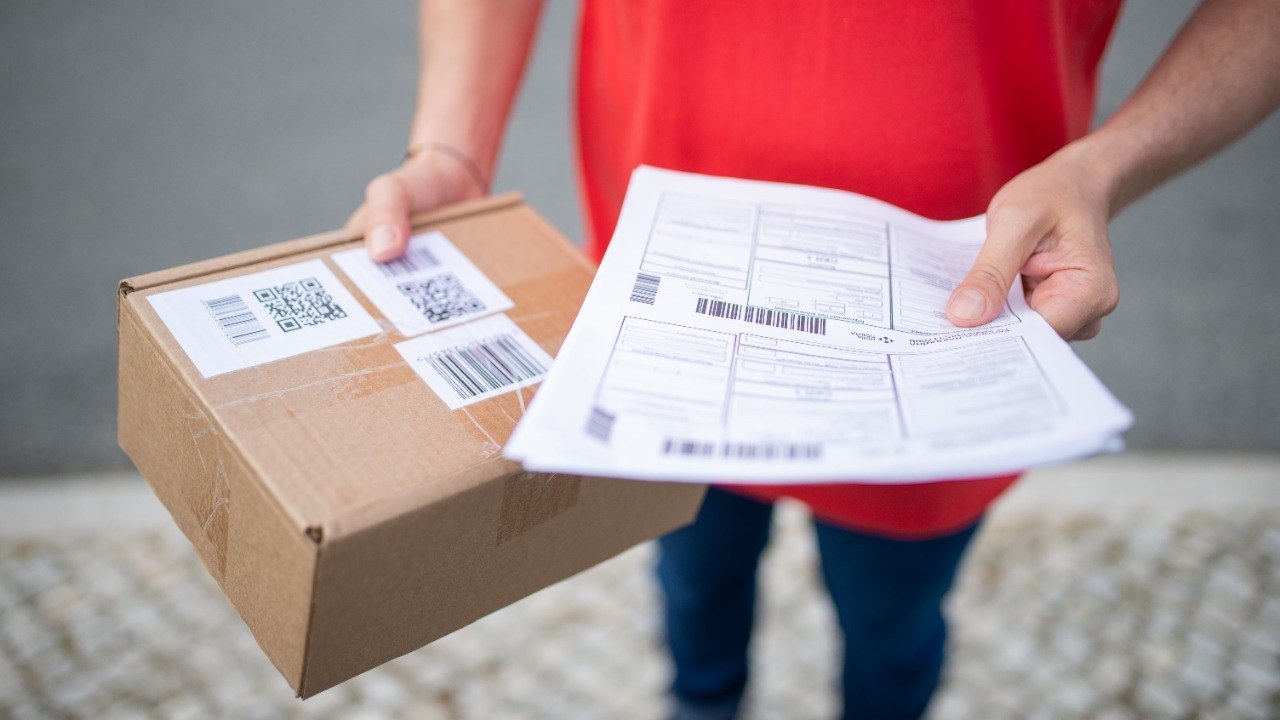
Customs and Border Protection has proposed that overseas packages worth $2,500 or less would need an electronic customs filing on or before arrival, and that mail left unentered for 15 days would count as abandoned. The agency published the proposal as a rule in the Federal Register on Oct. 8. It is a proposal, and CBP is taking comments until Dec. 7, 2026.
What the filing would be
The proposal would change how informal entries are handled. An informal entry is the customs filing used for low-value goods, and CBP’s rule covers goods valued at $2,500 or less. Under the proposal, those entries would be filed electronically before the goods arrive. The official Federal Register text also creates a new electronic entry type for mail, Entry Type 13, called an informal mail entry.
The rule says mail that is not properly entered would be treated as voluntarily abandoned at the end of a 15-day period. In plain terms, a package that sits in the system for 15 days without a filing would be considered given up, not held for the buyer.
The people this reaches are anyone who orders from overseas sellers, anyone who gets packages from relatives or friends abroad, and the small online shops that ship them. CBP says the procedures for bona fide gifts stay the same under the proposal.
Dec. 7 is the comment deadline on the CBP proposal, and it catches anyone who orders from overseas sellers or gets packages from abroad.
Get the deadline alerts before they pass →
Who would do the filing and who would pay
A licensed customs broker would be needed when the party named to receive the shipment is a foreign postal operator or a freight forwarder. CBP’s cost tables assume a brokerage fee of $30 per postal shipment, based on the fee that express carriers charge, and put the combined cost per Entry Type 13 filing at $39.72 once form time is added. CBP says the cost falls on importers and senders, with the burden shared between them.
That leaves a gap for shoppers. CBP does not say how much of the $30 or the $39.72 would reach a buyer in the form of a higher price or a fee at checkout, and the rule does not set an amount for a single package.
What CBP estimates for everyone combined
CBP estimates the 10-year cost at $9,298,017,345 in 2026 dollars, calculated at a 3 percent discount rate for 2026 through 2035. The agency expects about 32.66 million postal shipments a year. It says shipments worth $30 or less make up 79 percent of postal volume but 16 percent of the value. The Postal Service would face initial programming costs of $12 million to $20 million, according to the rule.
The rule also proposes a new minimum of $1,000 for each breach of a listed bond condition. Mail already carries a 10 percent duty under Section 122, the rule’s summary of existing law says, so the proposal adds a filing requirement and does not create the first charge on a parcel.
How this fits with the duty-free rules
The $800 duty-free exemption for small shipments has been in flux. CBP’s interim final rule of June 24 suspended it indefinitely for mail and set up a postal informal entry process for mail worth $2,500 or less. That rule took effect July 24, 2026. Under federal law, the exemption, known as de minimis, ends altogether on July 1, 2027, as the Federal Register text of the new proposal also notes.
This proposal is a separate rule published on Oct. 8, and nothing in it takes effect until CBP issues a final version.
Commenting before Dec. 7
Comments on the rule must be received on or before Dec. 7, 2026, and the Federal Register page explains how to send them. The free route for the agency’s own information on shipping and customs is cbp.gov.
The most useful comments are concrete. Someone who regularly gets packages from abroad can describe how they are shipped, what they cost and how long they take to arrive. A small seller can explain what an added $30 would do to a $25 item. Comments should say which part of the rule they address, such as the $2,500 threshold, the 15-day abandonment period or the broker requirement.
Until a final rule is published, the existing mail process from the June rule is what applies. The Federal Register notice from Oct. 8 is the document to watch for the next step.
More Financial Reading
- 24 Ways to Stretch a $2,087 Social Security Check
- 17 Places to Find Your Share of the $4.25 Billion States Give Back
- 20 Medicare Money Moves Now That Part D Caps at $2,400
This article was produced with AI assistance and edited for accuracy against the sources linked above.


