
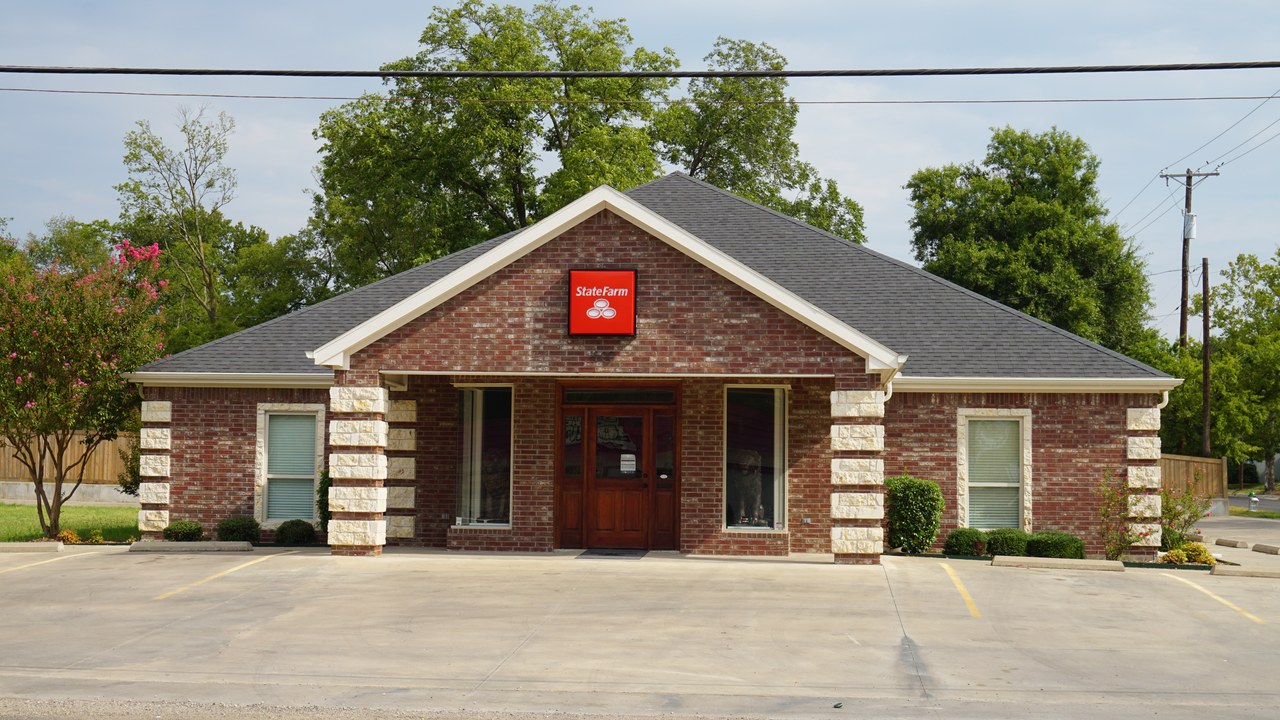
Two senators have given six of the country’s biggest insurers until Oct. 16 to explain why a growing share of home and auto claims ends without a payment to the policyholder. Sens. Elizabeth Warren, D-Mass., and Josh Hawley, R-Mo., sent the letters Oct. 2 to State Farm, Allstate, USAA, Farmers, Liberty Mutual and American Family.
The senators build their case on Wall Street Journal reporting. According to the Senate Banking Committee’s Oct. 5 announcement, the five largest home insurers did not pay on over 44 percent of the home claims they resolved in 2025, up from 36 percent a decade earlier. The Journal described the odds as “a near flip-of-the-coin chance that their home insurer will pay a claim.”
For a policyholder, the numbers describe a personal risk: a claim can be filed, reviewed and closed with no check. Anyone with a home or auto claim that ended that way is the person the senators’ questions are about, and the next step is knowing the reason the insurer gave and where to take a dispute.
Oct. 16 is the date the six insurers owe the senators their answers, and nothing in the letters sets a later step.
Get the deadline alerts before they pass →
The seven questions in the letters
The letter to Allstate is addressed to Tom Wilson, the company’s chair, president and chief executive, and opens by saying that “an unprecedented share of homeowners and auto insurance claims are being closed without any payment to policyholders.” It asks for seven things:
- Ten years of yearly data on claims paid and claims closed without payment, split by peril and by reason: below the deductible, policy exclusion, formal denial or policyholder withdrawal.
- For each year, how many denied claims were disputed and how many were later paid or reversed.
- The main reasons no-payment closures rose, with a number attached to each.
- Changes to claims-handling rules since 2015, and the reasons for them.
- Any pay, bonus or evaluation programs tied to payment, severity, denial or settlement figures.
- The artificial intelligence and prediction tools used on claims, and the safeguards around them.
- Whether the company will publish annual claims data, much as mortgage lenders report loan data.
The release says the senators asked for information from all six companies by Oct. 16, 2026. Only the Allstate letter is quoted here, and the others may differ in detail.
The auto and premium figures
The same letter cites a Journal finding that auto insurers did not pay on 45 percent of the auto liability and medical claims they resolved last year, compared with about 35 percent in 2016. On cost, it says homeowners premiums rose 70 percent nationally from 2019 to 2025, and that an average homeowner with $350,000 in rebuilding coverage paid about 39 percent, or $760, more in 2025. Average full-coverage auto premiums rose 31 percent from 2023 to 2025 to $2,638 a year, the letter says.
The senators add that some homeowners are dropping coverage. They point to an Insurance Information Institute study showing 12 percent of Americans had no home insurance in 2024, up from 5 percent in 2019.
The profit numbers the senators set beside the claims
The letter points to Allstate’s 2025 net income of $10.2 billion, up $5.6 billion from 2024, and to a record $136 billion earned by property and casualty insurers in 2025. It cites a Consumer Federation of America estimate that home insurers earn an extra $8.8 million a day across the industry in interest and investment income from delayed claims. The senators say the profits “raise questions” about how claims are being handled, including whether tactics to delay payments are playing a part.
What the insurers say
State Farm told Insurance Journal in an emailed statement that it evaluates each claim on the facts and the coverage purchased, and that claims can close without payment when the amount falls below the customer’s deductible or the customer withdraws the claim. A USAA spokesman said closures can result from a range of circumstances and that the company’s focus is on “handling claims fairly, promptly and with care.” Allstate, Farmers, Liberty Mutual and American Family did not immediately respond to the outlet.
Those explanations match categories the senators themselves list in the letter, which separates closures below the deductible and withdrawals from denials and exclusions. The data the senators ask for would show how many closures fall in each bucket.
Disputing a claim that closed without a check
A policyholder whose claim closes without payment has a free place to take the dispute: the state insurance department. The National Association of Insurance Commissioners keeps a directory of state insurance departments where a consumer can find contact information or file a complaint.
The closure letter matters most. It should name the reason, whether the loss fell under the deductible, was excluded, was denied or was withdrawn, and the policy language relied on. Photos, repair estimates, the claim number and the dates and names of every phone call make up the file that a state examiner or an appeal will start from.
Asking the insurer in writing to explain the reason and to reconsider, and keeping a copy of the request, builds a paper trail for any complaint that follows.
More Financial Reading
- 24 Ways to Stretch a $2,087 Social Security Check
- 17 Places to Find Your Share of the $4.25 Billion States Give Back
- 20 Medicare Money Moves Now That Part D Caps at $2,400
This article was produced with AI assistance and edited for accuracy against the sources linked above.


