
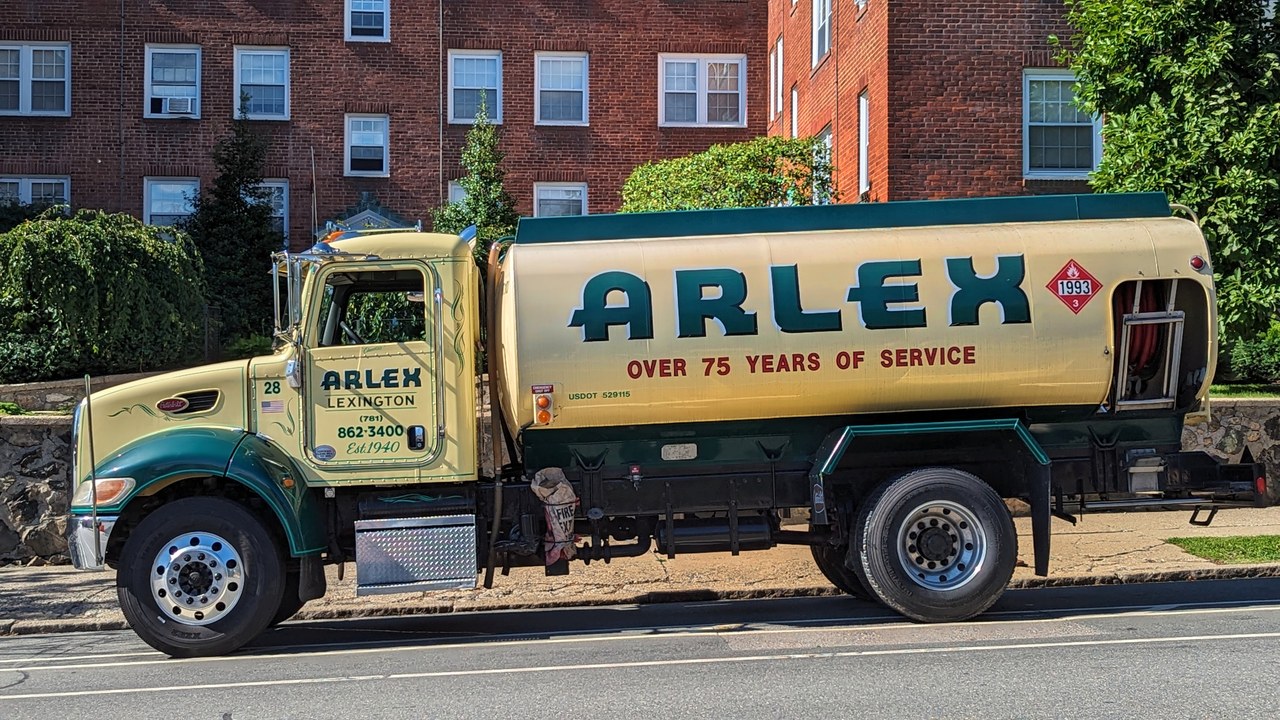
Of all the ways American homes heat, oil is the one headed for the sharpest jump this winter. The Energy Information Administration, the Energy Department’s statistics agency, forecasts that spending on heating oil will rise 21 percent from last winter. Its October 6 Short-Term Energy Outlook says heating oil prices are up more than 30 percent from a year ago.
These households are a small group. The agency says homes that mainly use heating oil make up about 3 percent of U.S. households and sit mostly in the Northeast. For a family with an oil tank in Maine, Vermont or upstate New York, the question is how much more each fill-up will cost and how to cover it before the cold arrives. A household that has not yet lined up a delivery, or a way to pay for one, has the most to sort out now.
Households facing a heating oil bill that may run 21 percent higher can pair that with The Senior Property Tax & Home-Cost Relief Kit, which gathers heating, cooling and home-repair help in one place and adds an application log and renewal calendar.
See the heating help and application log for oil-heated homes →
Why prices and spending are not the same number
The agency’s own wording draws the line. Heating oil prices are up more than 30 percent, “although we expect heating oil expenditures to increase by 21%.” Spending is what a household pays over the whole season, so it depends on gallons burned as well as the price per gallon. A 21 percent rise is the forecast for that season total, not a prediction for any one delivery.
The forecast is a national picture. A large house with an old boiler uses far more oil than a small apartment, and the agency does not give a dollar figure per household in the outlook. Anyone budgeting should start with the gallons used last winter and the price on the most recent delivery slip.
How diesel prices reach the oil tank
Heating oil and diesel are close relatives. The EIA calls them “closely related petroleum products called distillates,” and notes that most residential and commercial heating oil is burned in New England and the Central Atlantic states. That link explains why diesel news matters in an oil-heated home.
The EIA’s weekly fuel price report for October 6 put on-highway diesel at $6.199 a gallon, down 18.3 cents from the week before. In the outlook, the agency expects retail diesel to average about $4.50 a gallon next year. Those figures describe a different product at a different stage of the supply chain, but they show the direction of the fuel the heating oil market follows.
Oil is the exception among heating fuels
The same outlook says the picture is different for most of the country. Homes that rely on natural gas or propane, around half of all households, are expected to spend less than last winter. Homes that heat with electricity are forecast to spend slightly more. Heating oil stands apart because its price jump is large enough to outweigh everything else.
That split matters for a household deciding whether the oil tank is worth keeping. Switching fuels is a big project with its own costs, and nothing in the forecast says it pays off for any one home. For this winter, the practical choices are smaller ones: when to schedule a fill, how much to buy at once, and which help programs to ask about.
Help programs that cover heating bills
The federal Low Income Home Energy Assistance Program, known as LIHEAP, helps low-income households with their home energy bills. The Administration for Children and Families says the help can include bill payment assistance, and applications go through state, tribal and local LIHEAP offices. Eligibility is tied to federal poverty guidelines and state median income, so limits differ by state.
Energy savings are the other route. The Energy Department’s Weatherization Assistance Program serves low-income households and reports average savings of $372 or more a year, based on a national evaluation. It has helped more than 7.2 million families since 1976. Sealing and insulating a house cuts the gallons burned, which is the half of the spending equation a household can still change.
Lining up oil delivery and heating help before the first cold snap
The free first step is the state or local LIHEAP office, reachable through the program page the Administration for Children and Families runs. Applications often need proof of income, a recent heating bill or delivery slip, and the name of the fuel supplier. Households with an oil dealer should ask whether the dealer takes assistance payments and what the next delivery is expected to cost.
Keep a simple record: the date of each fill, the gallons, the price per gallon and the total. Last winter’s slips are the baseline the 21 percent forecast is measured against, and they make it easier to spot a bill that runs above what the EIA projects. The agency’s next outlook is due in November, and a revised heating oil estimate would show up there.
The Senior Property Tax & Home-Cost Relief Kit puts heating, cooling and home-repair help next to an 11-page kit with an application log and renewal calendar, so each assistance request and renewal date stays on one page.
Get the heating-help kit for oil-heated homes →
This article was produced with AI assistance and edited for accuracy against the EIA and federal program pages linked above.


