
Category: Jobs & Wages
-
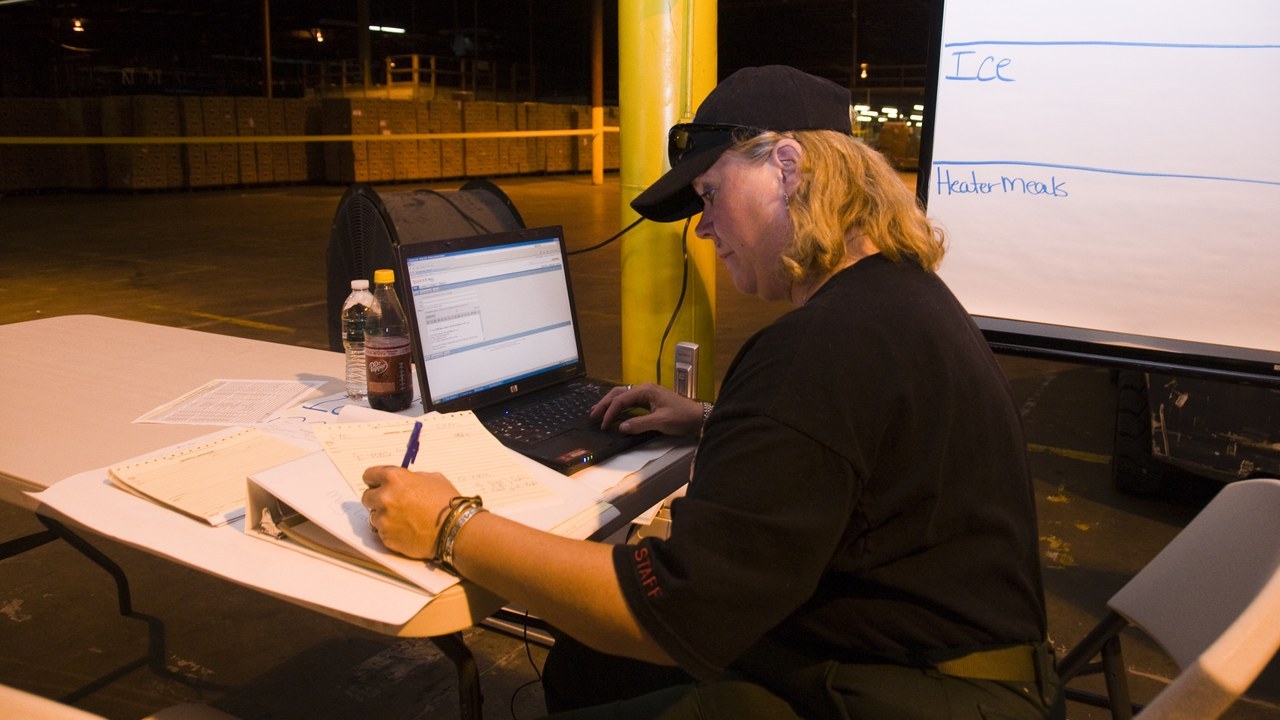
Rank-and-file workers averaged $32.60 an hour in September, seven cents more than in August
Average hourly earnings for private-sector production and nonsupervisory employees rose by 7 cents, or 0.2 percent, to $32.60 in September 2026. The Bureau of Labor Statistics published the figure on October 2 in its monthly jobs report, alongside a payroll gain of 29,000 and an unemployment rate of 4.2 percent. A second, higher wage figure…
-

Ten states have posted a 2027 minimum wage increase running from $17.73 in Washington down to $11.40 in Ohio
Ten states have now published their 2027 minimum wages, and the spread between the top and bottom of the group is $6.33 an hour. Washington leads at $17.73, while Ohio sits at the bottom at $11.40. Every figure comes from the state’s own labor agency, and Michigan’s $1.27 an hour is the largest single increase…
-

Quits have fallen to 1.9% of employment with 7.1 million openings, leaving far less room to job-hop for a raise
Workers are leaving jobs at a slower pace than a year ago, and that changes the math on switching employers for more pay. The Bureau of Labor Statistics reported on September 29, 2026, in its Job Openings and Labor Turnover Survey (JOLTS) for August, that the quits rate was 1.9 percent of employment, or 3.1…
-

Average hourly pay bought 0.3% less in August than a year earlier
A dollar of hourly pay in August 2026 bought less than it did twelve months earlier. The Bureau of Labor Statistics reports that real average hourly earnings for all employees decreased 0.3 percent, seasonally adjusted, between August 2025 and August 2026. Pay rose, but prices rose faster. The same BLS release shows the slide continuing…
-

Federal workers face a 0% January raise while law enforcement officers get 3.8%
Federal employees on the General Schedule are headed into January 2027 with no across-the-board raise, while a separate group of law enforcement personnel is slated for 3.8%. The split comes from the Alternative Pay Plan that President Trump issued on August 26, 2026, and it leaves two groups of federal workers on very different paths.…
-

Washington, New Jersey, Connecticut, Michigan and Minnesota have posted January 1 minimum wages, topping out at $17.73
Five states have now put a January 1, 2027 minimum wage on the record, and the highest of them is Washington’s $17.73 an hour. New Jersey sits at $16.48, Connecticut at $17.48, Michigan at $15.00 and Minnesota at $11.87. For a full-time worker earning the minimum, the gap between the top and bottom of that…
-

Only the premium half of overtime pay qualifies for the deduction on a 2025 return
Time and a half is two payments in one: the regular rate for each overtime hour, plus a premium of half that rate. The IRS deduction for overtime on a 2025 return reaches only the premium half, meaning pay that exceeds the regular rate under the Fair Labor Standards Act. A pay stub’s overtime total…
-
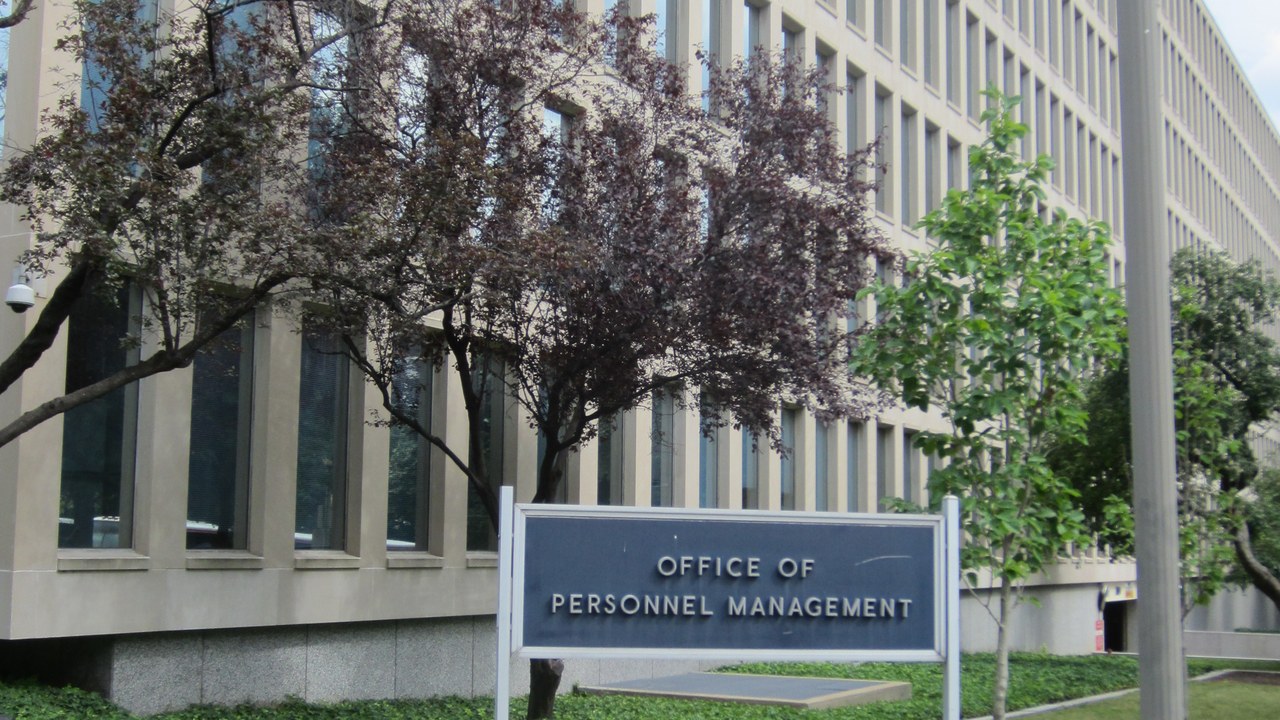
No 2027 federal pay schedule has been published, leaving next year’s raise unsettled
Federal employees who want to know what January 2027 will bring in their paychecks will find nothing official to read. The Office of Personnel Management has published pay tables through 2026 and none for 2027, and the pages read for this article show no 2027 pay order either. That leaves the size of next year’s…
-
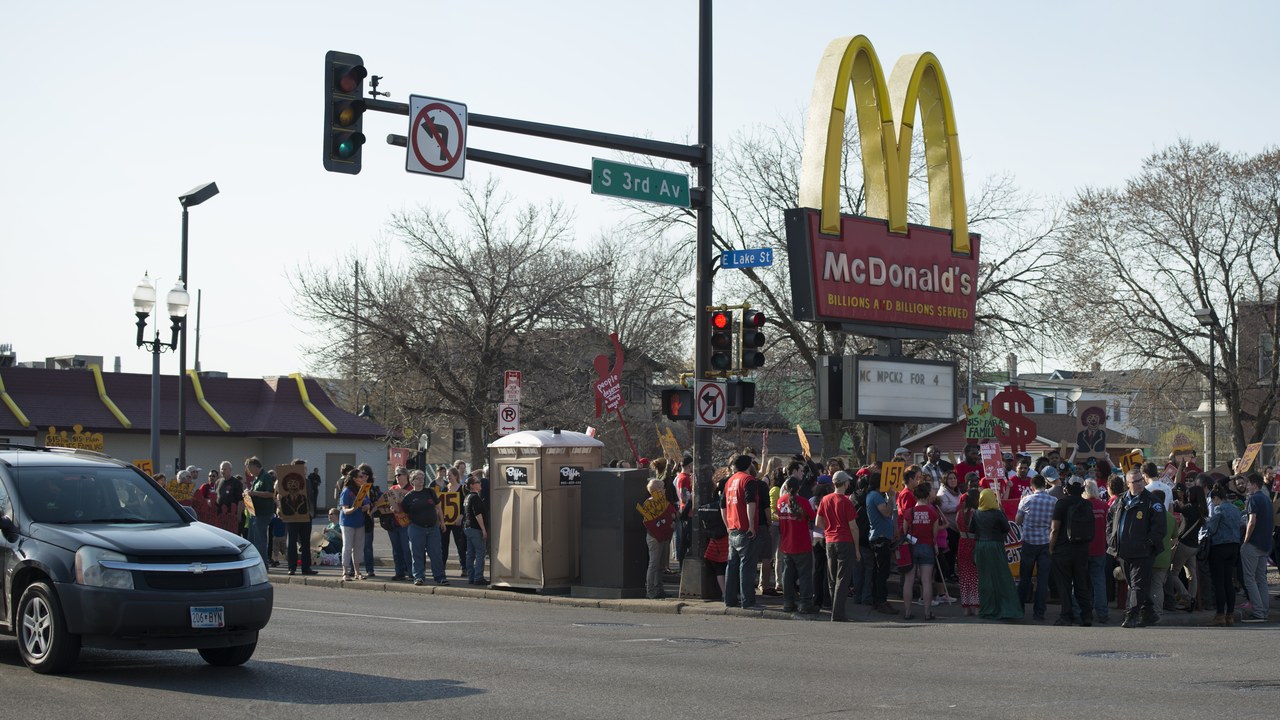
Minimum wages rise January 1 in at least five states, and Michigan workers gain $1.27 an hour
Michigan’s minimum wage moves from $13.73 to $15.00 an hour on January 1, 2027, a gain of $1.27 and the largest dollar step among the states that have announced new rates. California, Colorado, Minnesota and Ohio have each posted their own January 1 increases, and Washington added a sixth on September 30. All of the…
-

The IRS says a 2025 W-2 will not break out qualified tips or overtime, leaving filers to document up to $25,000 themselves
A 2025 Form W-2 will report a worker’s wages, but the IRS has said it will not separately report qualified tips, and that qualified overtime will likely go unidentified as well. Anyone planning to claim the new deductions therefore has to rebuild the figures from other paperwork. The largest cap involved is $25,000, and every…