
Category: Groceries & Gas
-
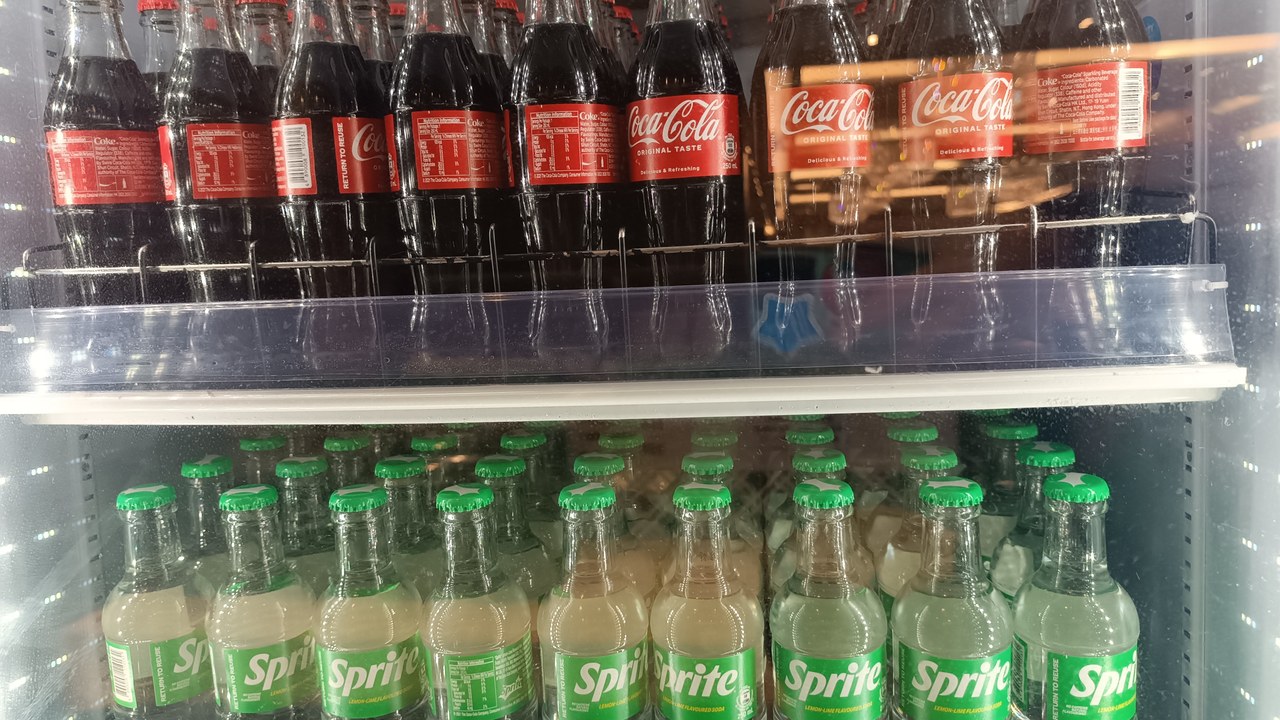
Food stamp shoppers in Montana, North Dakota, South Carolina and Virginia lose the ability to buy sugary drinks with SNAP on November 1, USDA’s waiver list shows
Four states are set to stop SNAP from paying for sugary drinks on November 1, 2026. USDA’s list of food-restriction waivers shows Montana, North Dakota, South Carolina and Virginia all carrying that target date, so food stamp shoppers there will no longer be able to buy soda and other sweetened beverages with their EBT cards.…
-
Kroger plans a $5 billion investment in lower prices through 2029, with new everyday shelf prices reaching about 250 stores by year-end
Kroger, the Cincinnati-based grocer, says it will put $5 billion into lower prices through 2029, and the first wave of new everyday shelf prices is due at about 250 stores by the end of this year. The company laid out its first multi-year plan at an investor update on October 20, 2026. The catch for…
-
Indiana deposits food stamp benefits once a month by last name, from the 5th for A and B to the 23rd for W through Z
Every Indiana household on food stamps gets its money on a fixed day, and the day depends on the first letter of the last name. The state’s Division of Family Resources deposits SNAP benefits once a month, starting on the 5th for last names that begin with A or B and finishing on the 23rd…
-

Older, disabled and homeless food stamp recipients can buy restaurant meals in nine states, with Illinois limited to Cook and Franklin counties
A SNAP card works at a restaurant in only nine states, and only for certain people. The Agriculture Department’s Food and Nutrition Administration lists Arizona, California, Illinois, Maryland, Massachusetts, Michigan, New York, Rhode Island and Virginia as running a Restaurant Meals Program. In Illinois the program covers Cook and Franklin counties only. Everywhere else, the…
-
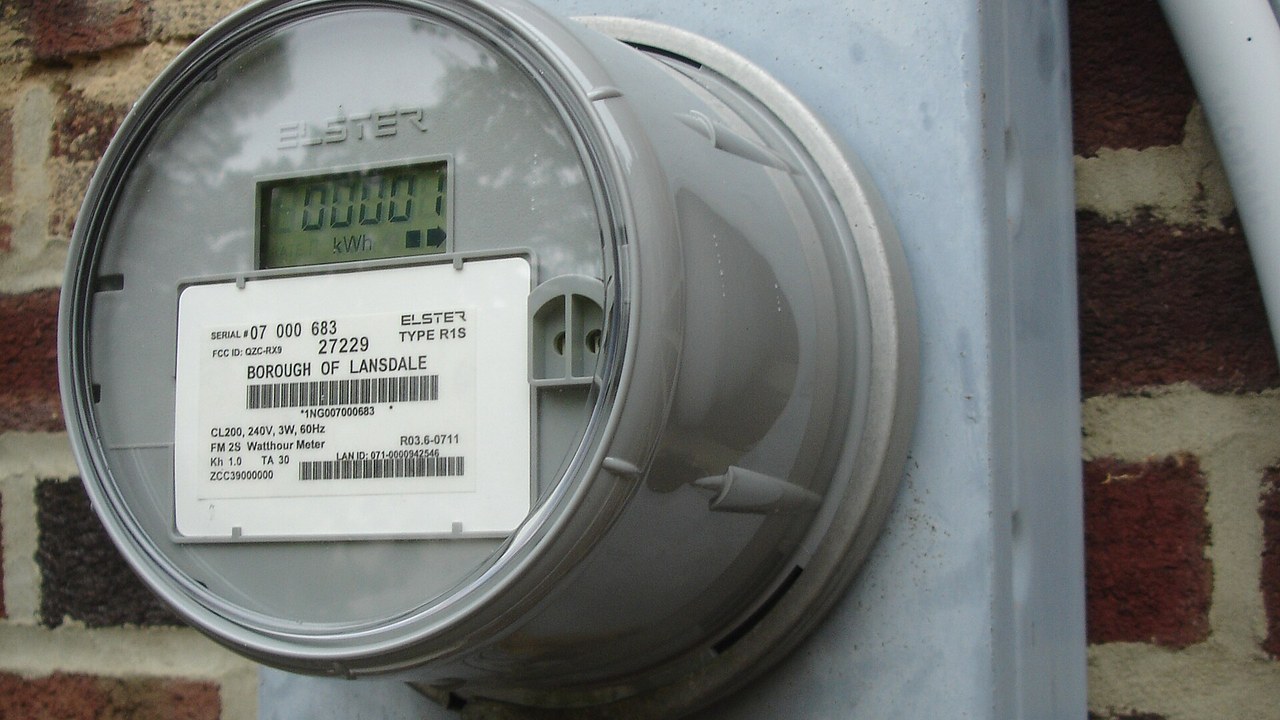
Food stamp households in Maryland with no one 60-plus or disabled must show a utility bill from the last 30 days to keep the $572 allowance under Trump’s 2025 law
Maryland’s Department of Human Services is warning food stamp households that one piece of paper can change a monthly benefit. Households with no one 60 or older and no one who is disabled have to provide a utility bill from the last 30 days to keep the full $572 standard utility allowance, the department says.…
-
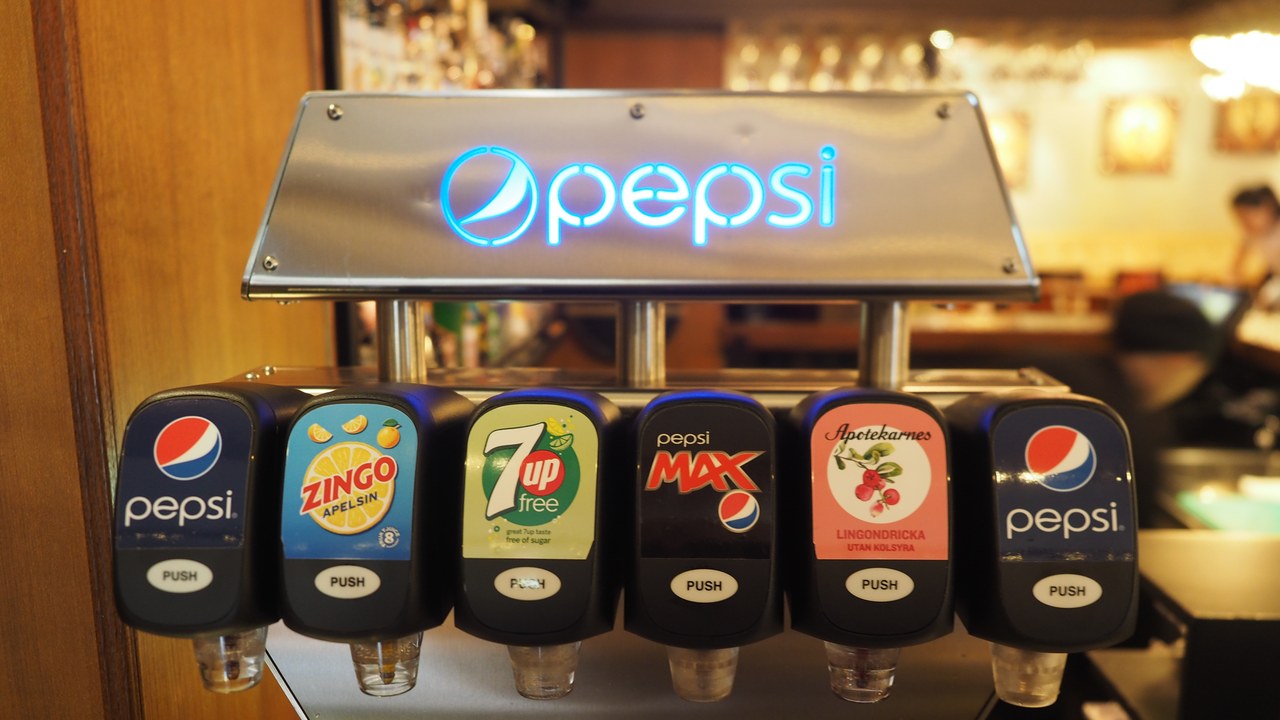
A judge vacated SNAP soda and candy bans in four states
A federal judge in Washington has vacated the approvals that let four states bar SNAP benefits from buying soda, candy and other items, and has ordered that the restrictions may not go forward. The states are Colorado, Iowa, Tennessee and West Virginia. The U.S. Department of Agriculture’s Food and Nutrition Service now lists all four…
-
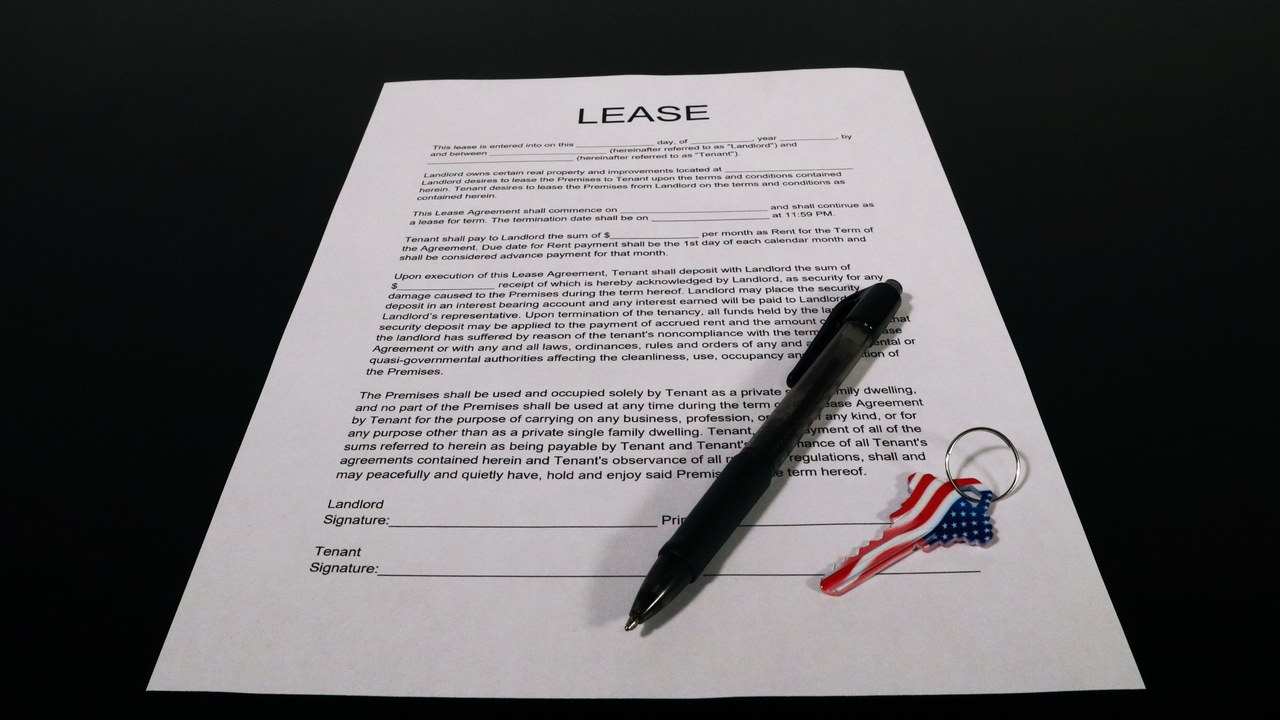
Food stamp households in Missouri applying or recertifying must hand over a lease or utility bill now, or the state cuts the deduction that sets the benefit
Missouri food stamp paperwork now needs proof, not just a signed statement. Since October 1, 2026, households that apply, recertify or add a person to a SNAP case have to document what they pay for rent, mortgage and utilities, along with child care costs and bank balances. A cost that cannot be documented does not…
-
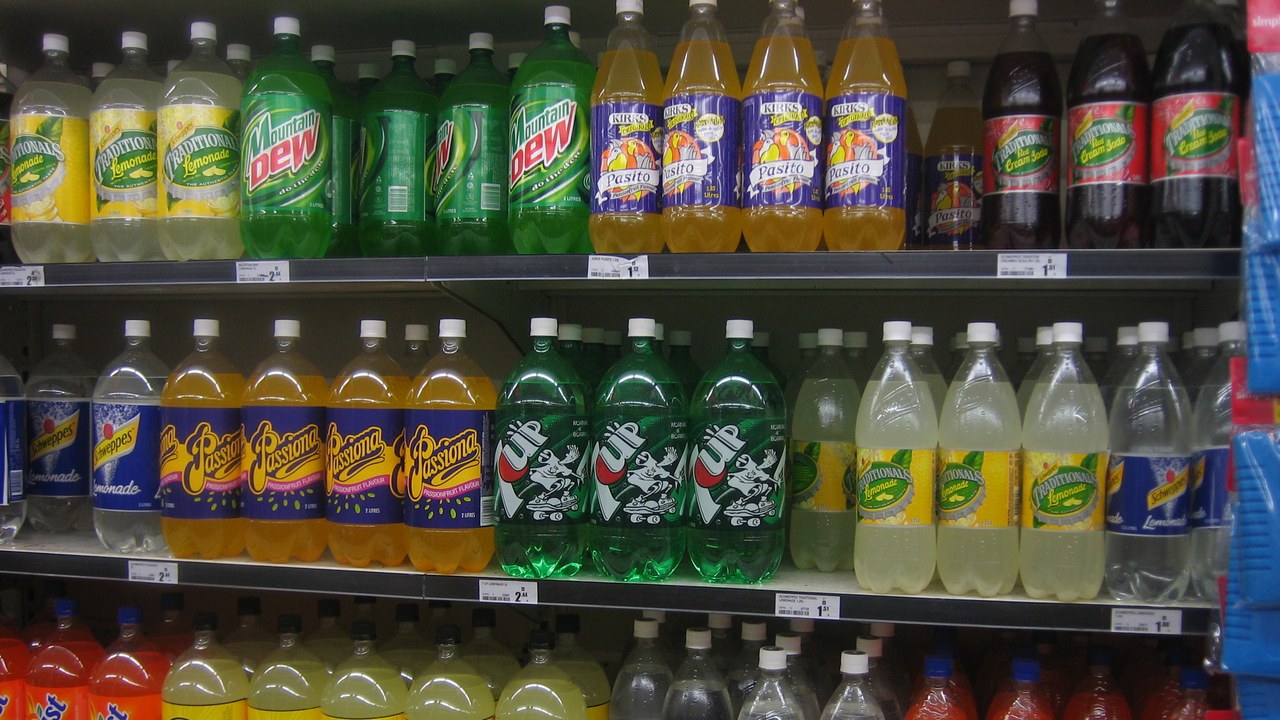
Food stamp purchase limits have reached their USDA start dates in Utah, Indiana, Idaho, Oklahoma, Louisiana, Texas, Florida and Arkansas, with four more states on November 1
Eight states have now passed the start dates the U.S. Department of Agriculture lists for limits on what food stamps can buy: Utah, Indiana, Idaho, Oklahoma, Louisiana, Texas, Florida and Arkansas. Four more states are scheduled for November 1, and Nebraska follows on December 1. The limits mostly target soda and other soft drinks, and…
-
USDA blocked more than 2,000 illegal card machines from the food stamp system
The U.S. Department of Agriculture says it has disabled or blocked over 2,000 illegal point-of-sale devices from the food stamp system. The figure is a national count that USDA’s Food and Nutrition Administration published on September 18, 2026, in release USDA 0120.26, “USDA’s Operation SNAP Back Hits the Five Boroughs.” The release announces a crackdown…
-
Food stamp benefits can be wiped nine months after they are issued
Food stamp benefits can be wiped from an EBT card nine months after they were issued, even when the card is in regular use. The U.S. Department of Agriculture put that in writing in a November 2025 memo to state SNAP agencies, and it said states are “strongly encouraged” to work this way. Federal law…