
Category: Government Programs
-

The smallest food stamp benefit becomes $25 a month when the new SNAP year begins October 1
Starting October 1, the smallest monthly Supplemental Nutrition Assistance Program payment climbs by a dollar, from $24 to $25, as part of the federal government’s annual reset of SNAP’s dollar figures. The increase applies specifically to the one- and two-person households that qualify for the program’s minimum benefit rather than a payment calculated from their…
-
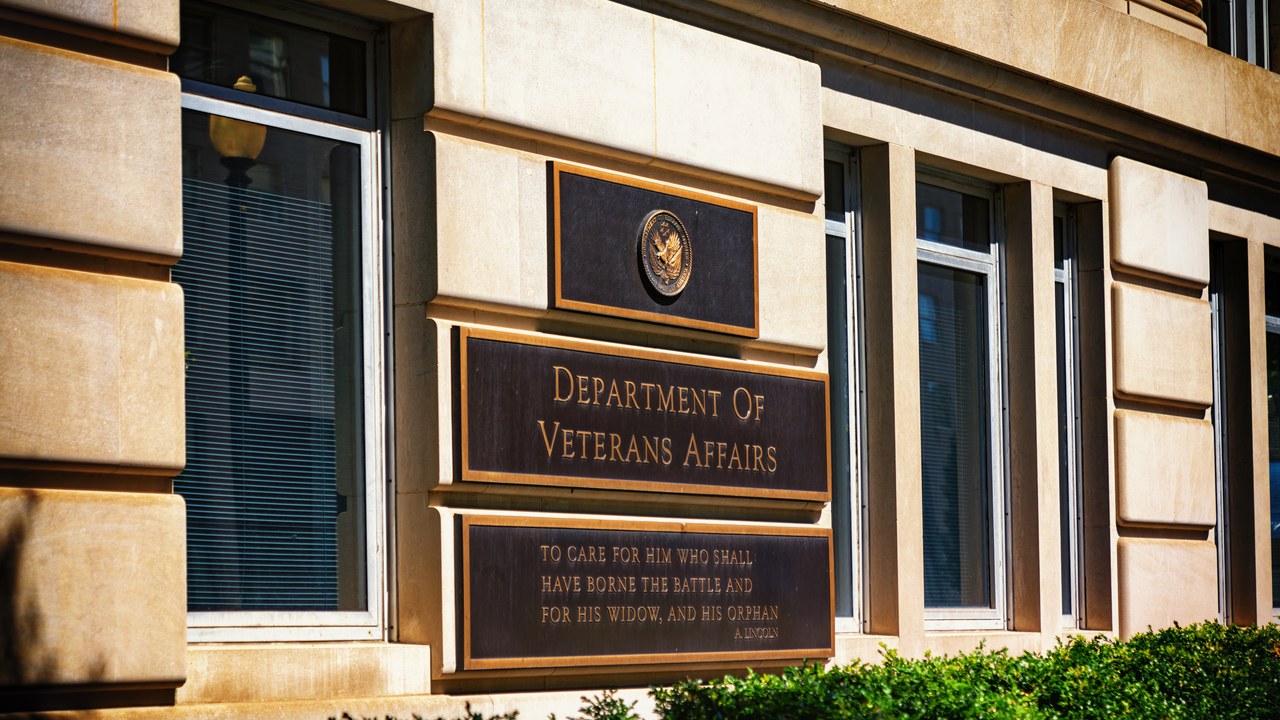
The VA cut the average survivors pension decision from 172 days to 73
Losing a spouse who served in the military often means losing a paycheck along with everything else, and the VA benefit meant to help fill that gap has historically taken months to arrive. In an April 15, 2026 press release, the Department of Veterans Affairs reported a specific fix to that wait: the average time…
-

The VA says 250,000 veterans enrolled in its health system this year
The Department of Veterans Affairs says its healthcare rolls grew by a specific, sizable number this year: more than 250,000 new enrollees since January, with the pace still building as the year goes on. That figure came from a VA press release published the same day this article was researched, making it the freshest single…
-

A new Medicaid fraud unit blocked $203.3 million in payments in its first 88 days
A federal-state task force spent the spring and summer chasing a narrow but expensive target: Medicaid providers billing for care that was inflated, unnecessary, or never delivered at all. The Centers for Medicare & Medicaid Services says that effort, run through something it calls the Medicaid Fraud War Room, stopped more than $203.3 million in…
-

A stopgap passed by Congress would fund food stamps and the government through December 11
Roughly six weeks before the last stopgap was set to run out, the Senate and House both voted to keep federal money flowing rather than let a shutdown collide with the fall calendar. The bill covers everything from food assistance to flood insurance, and it does it by extending current funding levels rather than writing…
-

The VA built a $29 million fund for homeless veterans, with $18 million of it for free rides
The Department of Veterans Affairs has created a $29 million fund aimed at homeless veterans, and more than half of that money, up to $18 million, is set aside for a service many housing programs do not fund directly: rides. The VA announced the program on August 14, 2026, saying it will use recent legislation…
-

The at-home spouse can keep up to $162,660 in savings when Medicaid pays for nursing care
When one spouse moves into a nursing home and applies for Medicaid to help pay for it, federal rules do not require the couple to spend down every dollar they have saved together first. The spouse who stays behind, known in Medicaid rules as the community spouse, is allowed to keep a protected pool of…
-

Medicaid stops covering nursing home care once a home’s equity passes $752,000
Medicaid pays for the large majority of nursing home care in the United States, but federal law puts a ceiling on how much home equity an applicant can hold before that coverage stops. The Centers for Medicare & Medicaid Services set the federal floor for that ceiling in 2026 at $752,000, according to a bulletin…
-

SNAP’s savings limit for households with someone 60 or older rises to $4,750 on October 1
A household does not lose Supplemental Nutrition Assistance Program eligibility just because it has some money saved, but there is a ceiling, and it is about to move for the first time since last fall. Starting October 1, households with a member who is 60 or older, or who is disabled, will be allowed to…
-

SNAP’s maximum benefit for a family of four rises to $1,023 on October 1
Every October, the U.S. Department of Agriculture recalculates how far a Supplemental Nutrition Assistance Program benefit is supposed to stretch, based on the rising cost of a basic grocery basket. The federal fiscal year 2027 adjustment is now final, and it raises the maximum monthly amount a household can receive across the 48 contiguous states…