
Category: Government Programs
-

Drug makers have signed 26 deals covering nearly 90 percent of the branded drug market
The White House says the federal government has locked in agreements with drug manufacturers covering nearly all of the brand-name medications Americans buy, a milestone that has been building for more than a year under a single presidential order aimed at drug prices. As of August 31, 2026, the administration had reached 26 deals with…
-

An inmate serving life pleaded guilty to taking more than $300,000 in veterans benefits by claiming PTSD
A West Virginia inmate already serving life without parole for murder pleaded guilty this month to a second, unrelated crime: fraudulently collecting $354,813.98 in Department of Veterans Affairs disability benefits by falsely claiming he had post-traumatic stress disorder. Zachary Hess Dawson, 39, admitted he was never eligible for the payments he received for nearly nine…
-

Veterans’ 2027 raise is decided by a Social Security announcement on October 14
Every veteran drawing VA disability compensation is waiting on a number that has not been set yet — and it will not come from the Department of Veterans Affairs. By law, VA disability raises are pegged to the same cost-of-living adjustment the Social Security Administration announces each fall, which means the size of a veteran’s…
-
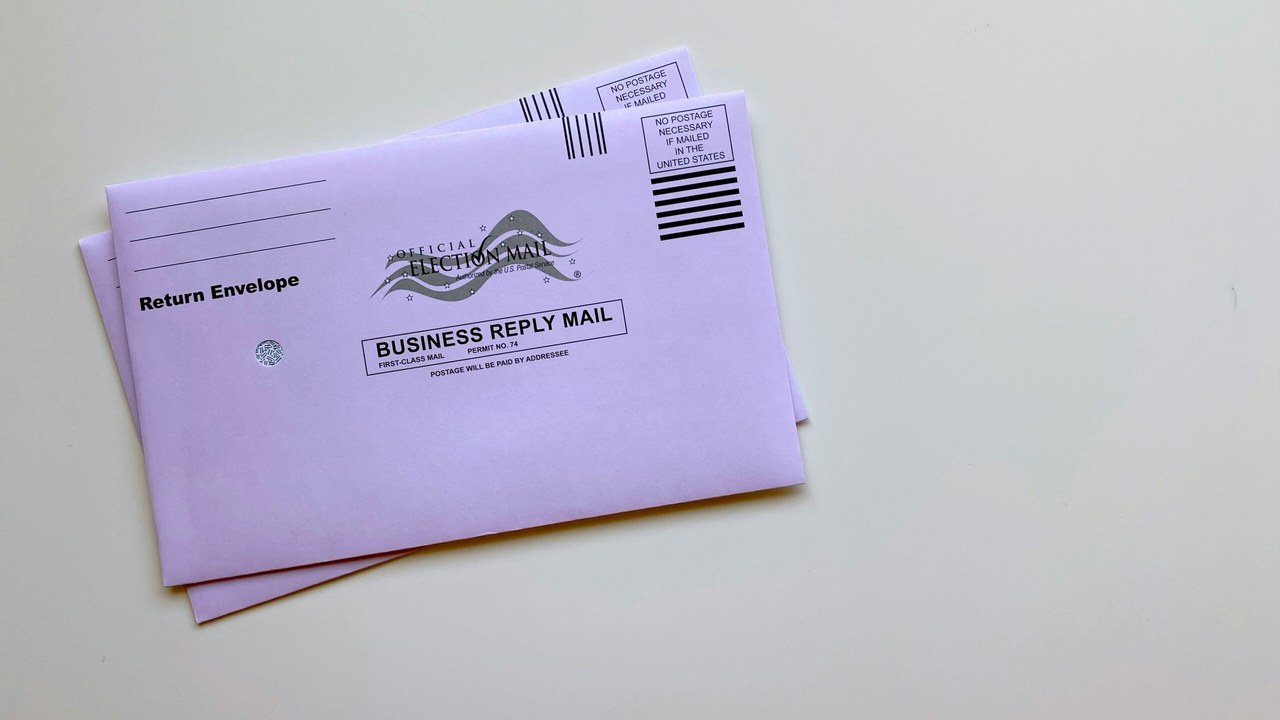
States may not line up a family’s Medicaid renewal dates, so one household gets two clocks
A household enrolled in Medicaid rarely renews everyone on the same calendar date to begin with, and starting in 2027 that mismatch is set to widen for many families. Federal guidance on a new renewal rule makes clear that states are not allowed to fix the mismatch by lining every household member up on one…
-

People who meet SNAP’s own work rules are already exempt from Medicaid’s new 80-hour requirement
Medicaid is rolling out a federal work requirement for the first time in the program’s history, and the rule that creates it also spells out, line by line, who doesn’t have to prove anything extra. One of those built-in exemptions covers people who are already following a different program’s work rules: anyone in a household…
-

Medicaid will reach back one month to cover bills a new applicant already owes
Anyone who has ever put off applying for Medicaid because the paperwork felt overwhelming may want to move faster starting in 2027. A provision buried in the same 2025 law that doubled Medicaid renewal frequency for expansion adults also shrinks how far back the program will pay for care a new applicant already received. For…
-

Medicaid renewals for expansion adults double to every six months beginning January 1
Adults who qualify for Medicaid through their state’s expansion of the program are about to face a shorter clock on proving they still belong on the rolls. Under new federal guidance, most people in this group will have to renew their eligibility every six months instead of once a year, starting with renewals scheduled on…
-

The federal government’s share of running food stamps drops from half to a quarter on October 1
Starting October 1, the federal government will start covering a smaller share of what it costs states to run the Supplemental Nutrition Assistance Program day to day — dropping from 50 percent down to 25 percent. The change comes from Section 10106 of the One Big Beautiful Bill Act, which President Trump signed in July…
-

Eighteen states now have a USDA-approved date for limiting what a food stamp card buys
Eighteen states now have a federally approved date on the calendar for narrowing what a Supplemental Nutrition Assistance Program card can buy, according to the U.S. Department of Agriculture’s own tracking page. Eight of those waivers are already in effect, running from Indiana and Utah in January through Arkansas on July 1, and ten more…
-

Wisconsin processed 97 percent of its food stamp applications on time while Alaska managed 64
Federal law gives every state the same deadline for approving a household’s food stamp application: 30 days for a standard case, seven days for a family that qualifies for expedited help because it has almost no income or savings coming in. In practice, some states hit that mark nearly every time, and others miss it…