
Category: Government Programs
-

Forty-three states must require 80 hours a month from Medicaid enrollees starting January 1
Medicaid coverage for millions of working-age adults now comes with a monthly paperwork requirement attached. Under a rule the Centers for Medicare & Medicaid Services published in June, 43 states and the District of Columbia must build systems to check whether certain enrollees logged a set number of hours in work, schooling, or community service…
-

Food stamps for a seven-person household rise to $1,616 a month on October 1
The U.S. Department of Agriculture has finalized the maximum monthly food stamp benefit for the fiscal year beginning October 1, 2026, and the size of the increase depends heavily on how many people live in the household claiming it. A household of seven people in the 48 contiguous states or Washington, D.C. will see its…
-

The smallest food stamp check is $25 in most states, $49 in rural Alaska
Every October, the U.S. Department of Agriculture recalculates the smallest monthly SNAP payment a household of one or two people can receive, and the newest adjustment lifts that floor to $25 across the 48 contiguous states and Washington, D.C. In the most remote stretch of rural Alaska, the same floor climbs to $49 a month.…
-

Hawaii is the only state where the maximum food stamp benefit drops October 1
Federal nutrition officials finalized next year’s food stamp numbers this fall, and forty-eight states plus Alaska, Guam, the District of Columbia and the U.S. Virgin Islands are all getting a raise. Hawaii is not. For a four-person household on the Supplemental Nutrition Assistance Program, the maximum monthly benefit falls from $1,689 to $1,655 once the…
-

Veterans rated totally disabled and caregivers of children 13 and under are exempt from the Medicaid work rule
A veteran with a total VA disability rating and a grandmother raising her eleven-year-old grandson have one thing in common under Medicaid’s new work rule: neither has to prove eighty hours of monthly activity to keep coverage. The Centers for Medicare & Medicaid Services built nine categories of exemption into the interim final rule it…
-

Medicaid enrollees aged 19 to 64 in 43 states must document 80 hours of work a month by January 1
Medicaid’s yearly renewal has always meant proving income and residency again. Beginning January 1, 2027, adults age 19 to 64 in 43 states and the District of Columbia will also have to prove they worked, trained, studied, or volunteered for at least 80 hours in a given month, or earned enough to clear an income…
-

The 2025 tax law bars USDA from re-pricing the SNAP grocery basket before October 2027
Every SNAP benefit ceiling now on the books traces back to a single grocery list USDA priced out in 2021, and a provision buried in last year’s tax-and-spending law keeps that list locked in place until at least October 2027. The rule does not touch the income and deduction math that decides who qualifies for…
-

A federal judge vacated five states’ SNAP purchase restrictions, leaving eighteen with a live start date
A federal judge in Washington, D.C. has erased five states’ permission to limit what Supplemental Nutrition Assistance Program participants can buy at checkout, the first real legal setback for a policy wave that began reshaping grocery aisles in 2025. The ruling does not touch the rest of the program: of the twenty-three state waivers the…
-

States may raise SNAP utility allowances 3.5% on October 1, matching the rise in consumer prices through June
A one-page memo dated August 24 gives every state SNAP office in the country a green light, not a mandate: adjust the standard utility allowance for fiscal year 2027 by 3.5 percent, or don’t. That allowance is the flat monthly figure a state plugs into a household’s SNAP budget to cover heat, electricity and water,…
-
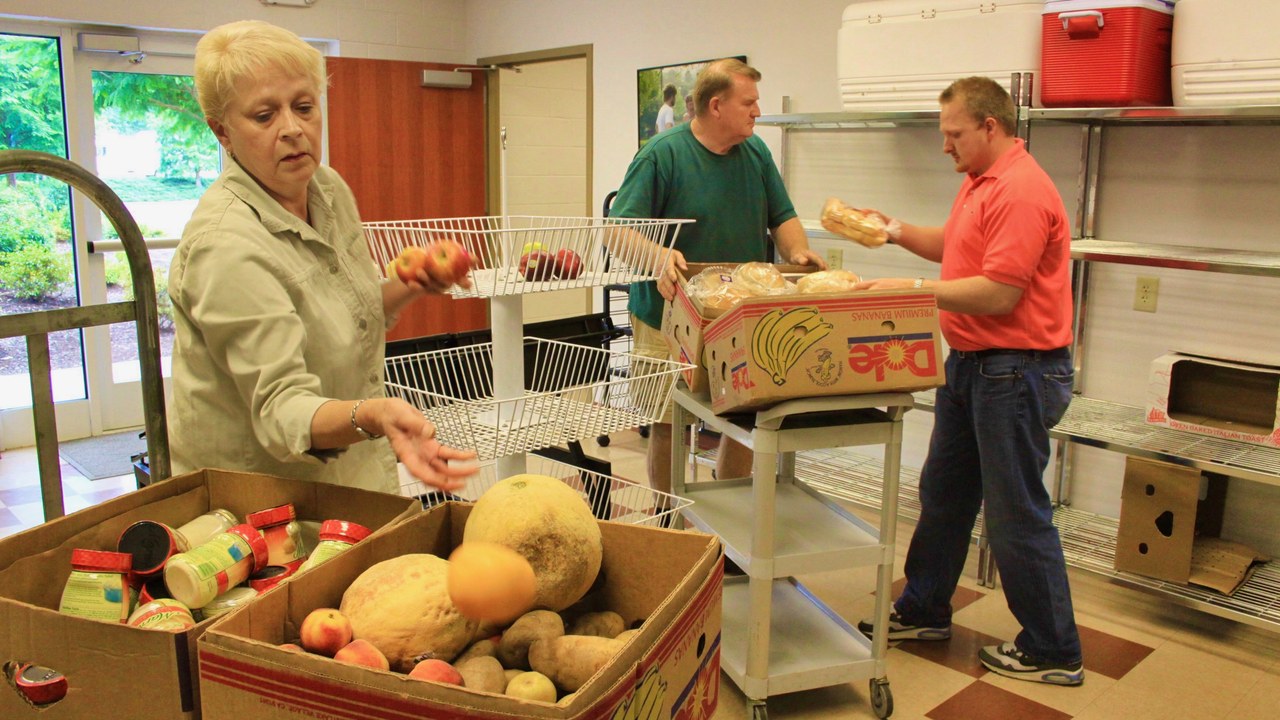
An older parent in an adult child’s home can count as their own SNAP household under a $4,538 income test
A retired parent who moves in with an adult child for help around the house does not automatically get pooled with that child’s paycheck for food-benefit purposes. The Supplemental Nutrition Assistance Program carves out exactly this living situation: a person 60 or older who cannot prepare meals separately because of a permanent disability can be…