
Category: Government Programs
-

An eight-person household can earn up to $6,037 a month before taxes and pass SNAP’s federal gross income test from October 1
Starting October 1, 2026, an eight-person household can bring in up to $6,037 a month before taxes and still pass the federal gross income test that determines basic SNAP eligibility. The figure comes from the U.S. Department of Agriculture’s annual cost-of-living adjustment, which resets every SNAP income threshold, deduction and maximum benefit for the new…
-

Obamacare applications filed through agents or brokers must now list Social Security or immigration numbers for all but newborns under a Trump crackdown
Anyone applying for an Affordable Care Act Marketplace plan through an insurance agent or broker must now supply a Social Security number or an immigration document number for every person on the application except a newborn, under a new identity check the Centers for Medicare & Medicaid Services announced this month. CMS paired the requirement…
-

Food stamp purchase limits start November 1 in Montana, North Dakota, Ohio, South Carolina and Virginia, USDA’s updated waiver table shows
Five states will stop letting SNAP benefits buy candy, soda or other high-sugar items starting November 1, 2026, according to the U.S. Department of Agriculture’s own tracking table. Montana, North Dakota, Ohio, South Carolina and Virginia all carry that same date in USDA’s Food and Nutrition Administration list of approved purchase-restriction waivers, updated September 25,…
-

The VA is putting $1.17 billion into rent and rehousing help for homeless and at-risk veterans starting October 1
The Department of Veterans Affairs is sending $1.17 billion to organizations that house and stabilize homeless and at-risk veterans, with the money reaching grantees starting Oct. 1. The largest share, $855 million, runs through the Supportive Services for Veteran Families program and goes to 680 community organizations across the country. The grants pay for rapid…
-
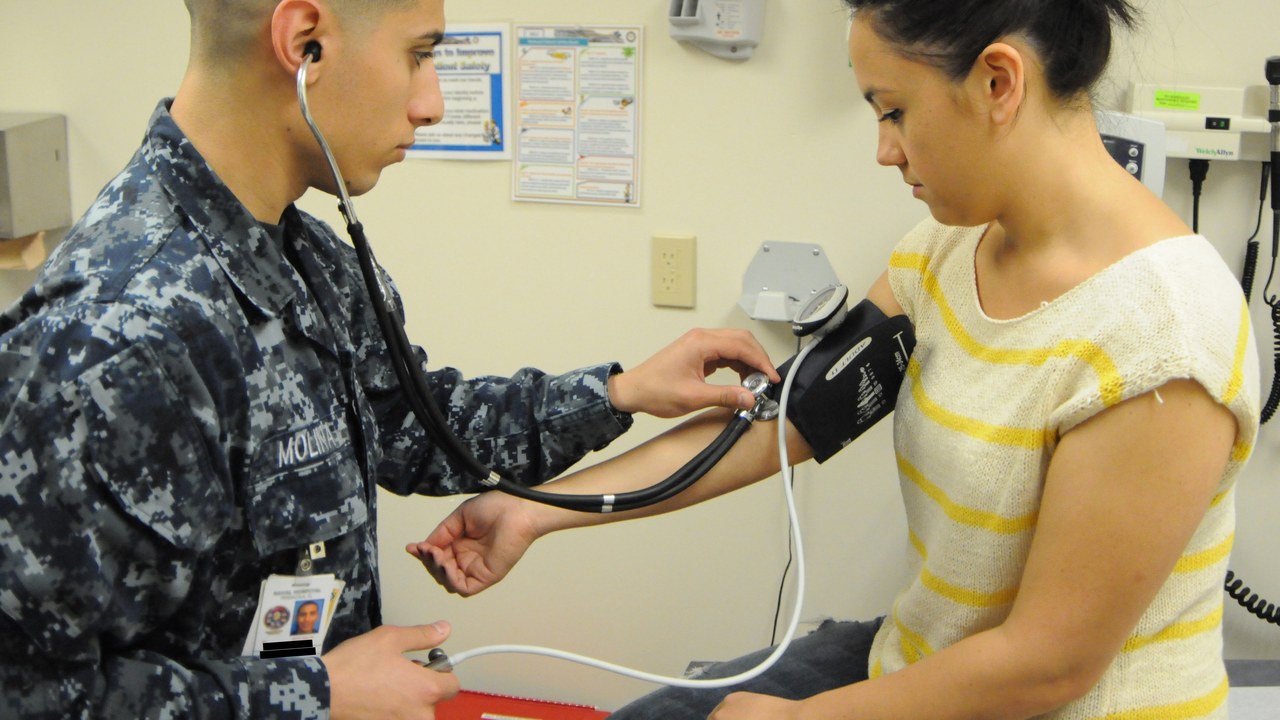
Military retirees who joined in 2018 or later pay $462.96 a year for TRICARE Prime, or $927 for a family
Military retirees who signed their first enlistment or commission on or after Jan. 1, 2018 fall into TRICARE’s Group B, and Group B pays the higher of the program’s two annual prices for TRICARE Prime. An individual in that group pays $462.96 a year to stay enrolled, and a family plan costs $927. Retirees who…
-

Low-income wartime veterans can get a VA pension of up to $17,441 a year, or $22,839 with one dependent
VA’s Veterans Pension pays low-income wartime veterans a set amount each year, and the ceiling moves once a dependent is added to the household. The 2026 limits set two separate thresholds, one for a veteran with no dependents and one for a veteran with one, and a net worth test sits alongside both. VA’s own…
-

A veteran’s child with no surviving parent on the claim can collect $717.50 a month in VA survivor pay in 2026
When no spouse survives a veteran, VA’s Dependency and Indemnity Compensation goes directly to an eligible child instead, paid at its own separate monthly rate in 2026. That rate is not a scaled-down version of the spousal DIC amount; it is a distinct figure VA sets specifically for a child who is the sole beneficiary…
-

Surviving spouses with children under 18 get an extra $359 a month for the first two years of VA survivor pay
For the first two years after a veteran’s death, VA survivor pay includes a temporary dollar amount set aside specifically for a spouse raising a child under 18. The payment sits on top of the basic Dependency and Indemnity Compensation rate, and it stops automatically once the two-year window closes, whether or not the household…
-

Surviving spouses get $360.85 more a month in VA survivor pay if the veteran was rated totally disabled for the eight years before death
A surviving spouse’s monthly VA survivor payment includes a specific dollar boost tied to how long, and how severely, the veteran was rated disabled before death. Basic Dependency and Indemnity Compensation pays one flat rate in 2026, but a rule tied to eight years of total disability adds more on top of it. The exact…
-

A 100%-disabled veteran gets $201.41 more monthly for a spouse needing aid and attendance
Aid and attendance is usually described as a benefit for the veteran. VA rules also pay extra when it is the veteran’s spouse who needs the help, and the figure has an exact dollar value attached in 2026. A veteran with a 100% combined disability rating whose spouse needs assistance with everyday tasks gets a…