
Author: Elizabeth Blessing
-

A veteran rated totally disabled is exempt from the Medicaid work rule
Starting January 1, 2027, most working-age adults on Medicaid’s expansion coverage will have to log 80 hours a month of work, school, training or volunteer service to keep their coverage. One category is carved out of that math entirely: a veteran whose VA disability rating sits at 100 percent, whether the rating is permanent or…
-

A court threw out Nebraska’s plan to bar candy from food stamp cards
Nebraska’s food benefits program is not adding candy to its list of banned purchases on November 1, 2026, the date state officials spent more than a year building toward. A federal court threw out the entire waiver that would have made that change possible, and the U.S. Department of Agriculture has not brought it back.…
-
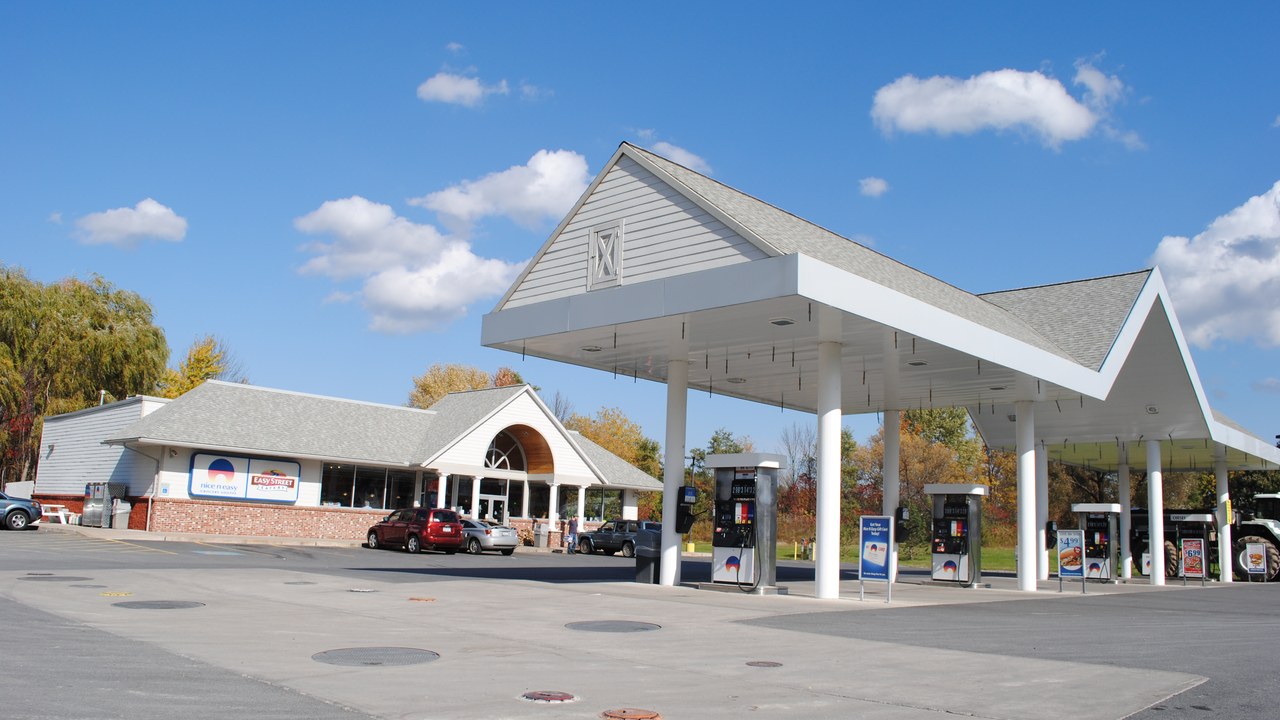
A store needs 28 different staple foods on its shelves by November 4 to keep taking food stamp cards
Starting November 4, 2026, a small grocery, corner store or rural gas station that wants to keep swiping Supplemental Nutrition Assistance Program benefit cards has to clear a far higher bar than in past years. Federal regulators have rewritten the shelf-stocking floor for every authorized retailer except specialty shops, and the new math lands on…
-
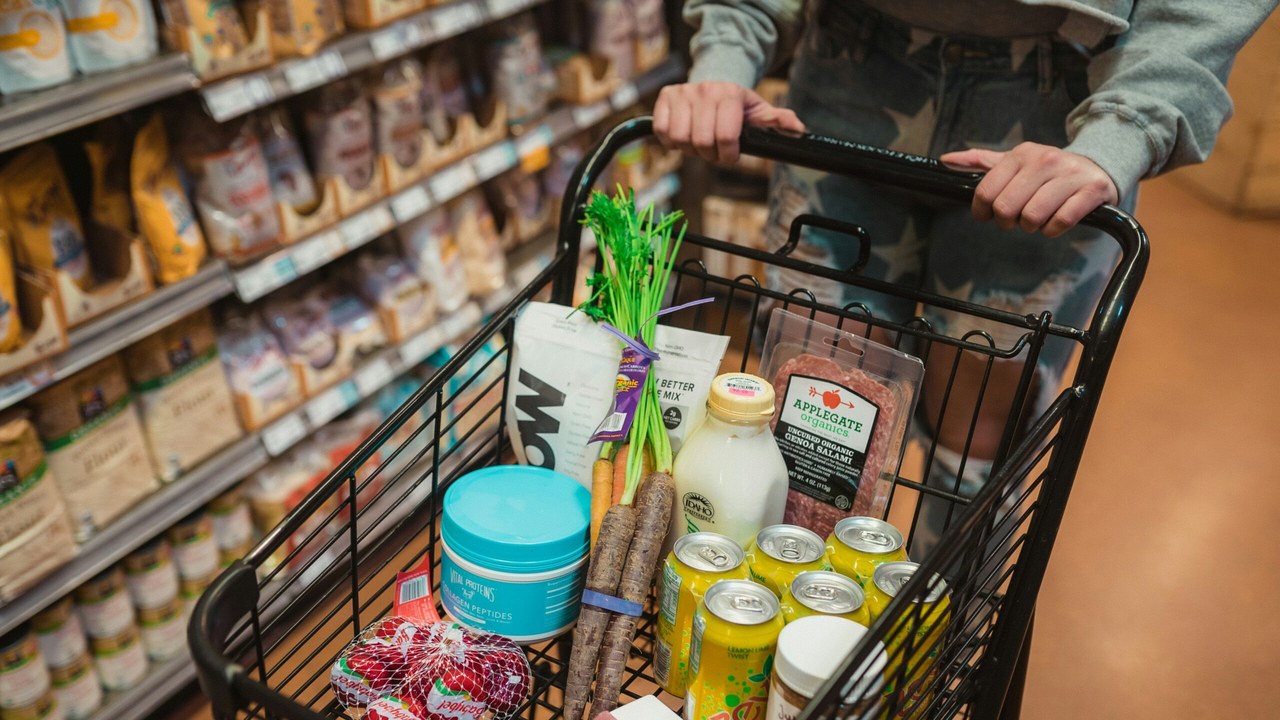
Food stamps stop growing at 18 people in a household, no matter how many more live there
Every Supplemental Nutrition Assistance Program household in the 48 states and the District of Columbia gets a new maximum monthly benefit on October 1, 2026, but the increase stops responding to household size once a household reaches 18 people. A household of exactly 18 and a household of 40 draw from the same ceiling: $3,887…
-

Food stamps stolen off a card are no longer replaced with federal money
A stolen debit card usually means a same-day fraud alert, a canceled number and a new card within a few business days. A stolen Supplemental Nutrition Assistance Program card no longer works that way when the money behind it is federal. Congress let the law that reimbursed states for skimmed SNAP benefits lapse at the…
-

Refugees, asylum recipients and trafficking victims lost food stamp eligibility under the 2025 law
A provision inside the tax-and-spending law President Trump signed on July 4, 2025 rewrote who counts as an eligible immigrant under the Supplemental Nutrition Assistance Program. The change touches neither work requirements nor benefit amounts nor income tests — it touches a single question: who qualifies at all. Guidance the Food and Nutrition Service issued…
-

Washington will pay a quarter of what states spend running food stamps instead of half, starting October 1
Every dollar a state spends processing a SNAP application, staffing a call center or replacing a lost or stolen benefits card has been split with the federal government for decades, roughly half and half. That arrangement changes on October 1, when the federal reimbursement rate for those administrative costs drops from 50 percent to 25…
-

A parent whose youngest child turns 14 is now subject to the food stamp work clock
A birthday that used to mean nothing more than a bigger cake now carries a paperwork consequence inside the Supplemental Nutrition Assistance Program. Federal law changed this year the age at which a parent’s youngest child stops shielding that parent from SNAP’s work-hour rules, cutting the threshold from 18 down to 14. A household that…
-

Food stamp work rules now stop applying at 65 instead of 55
One line inside a sweeping 2025 federal law quietly reset the age at which older adults stop facing one of the toughest rules in the food stamp program. Adults on the Supplemental Nutrition Assistance Program used to stop facing SNAP’s work-hour time limit once they turned 55. Under the One Big Beautiful Bill Act, that…
-
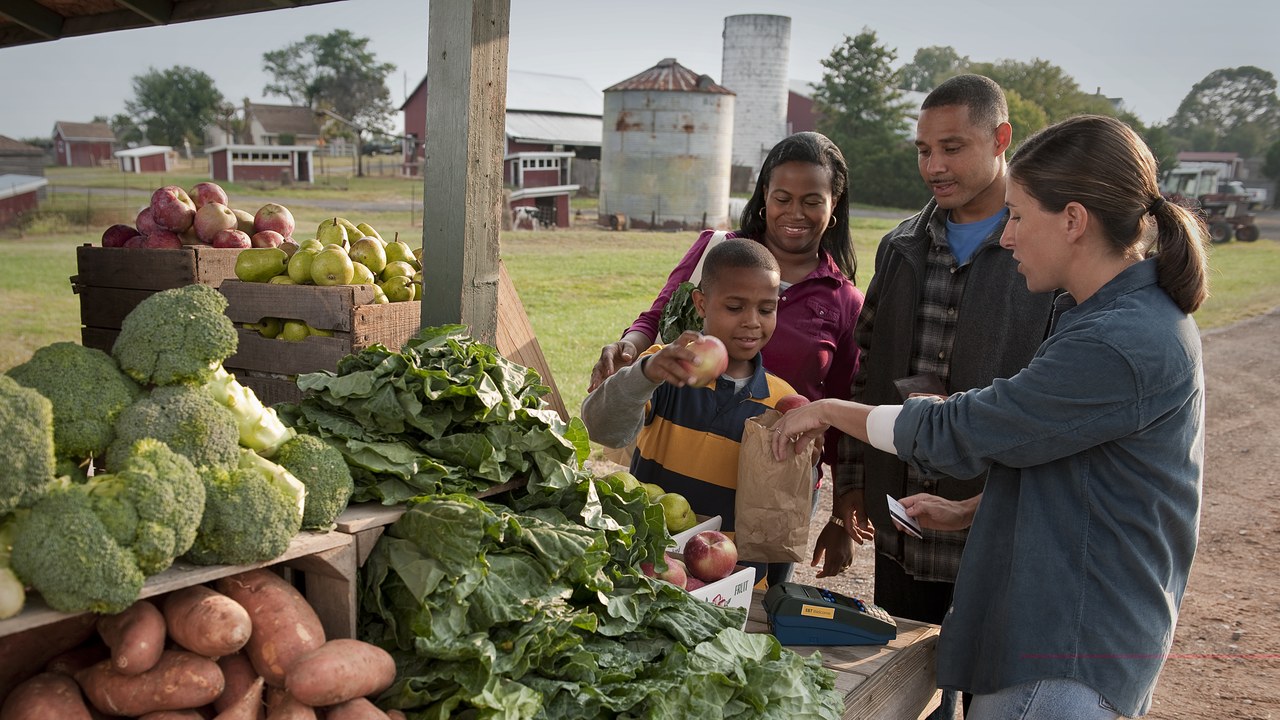
Fourteen states have a partial waiver from the food stamp time limit and 39 have none at all
A food stamp recipient in a waived county of Kentucky and a food stamp recipient just across the border in Tennessee can be identical in every relevant way — same income, same age, same lack of dependents in the home — and still land on opposite sides of the same federal clock. The Agriculture Department’s…