
Bids for roughly 4,200 reverse mortgage loans that HUD holds on vacant homes are due before 1:00 p.m. Eastern on October 27, 2026. The sale, called HVLS 2027-1, covers loans with a combined balance of about $1.3 billion, and the Federal Register notice that announced it states one term that sets it apart from ordinary loan sales: the mortgages “will be sold without FHA insurance and with servicing released.”
Roughly 4,200 loans and $1.3 billion, in HUD’s own words
The Department of Housing and Urban Development published its Notice of HUD Vacant Loan Sales (HVLS 2027-1) on September 23, 2026. It describes a sale of approximately 4,200 home equity conversion mortgages, the reverse mortgage product known as HECM, with a loan balance of approximately $1.3 billion. Both figures carry HUD’s own word “approximately,” so they describe the size of the offering, not an audited total.
The notice says HUD will sell “due and payable Secretary-held reverse mortgage loans.” That phrase marks the loans as ones HUD itself now holds and that have come due, as opposed to loans still serviced by a private company for a living borrower.
Why these properties sit vacant
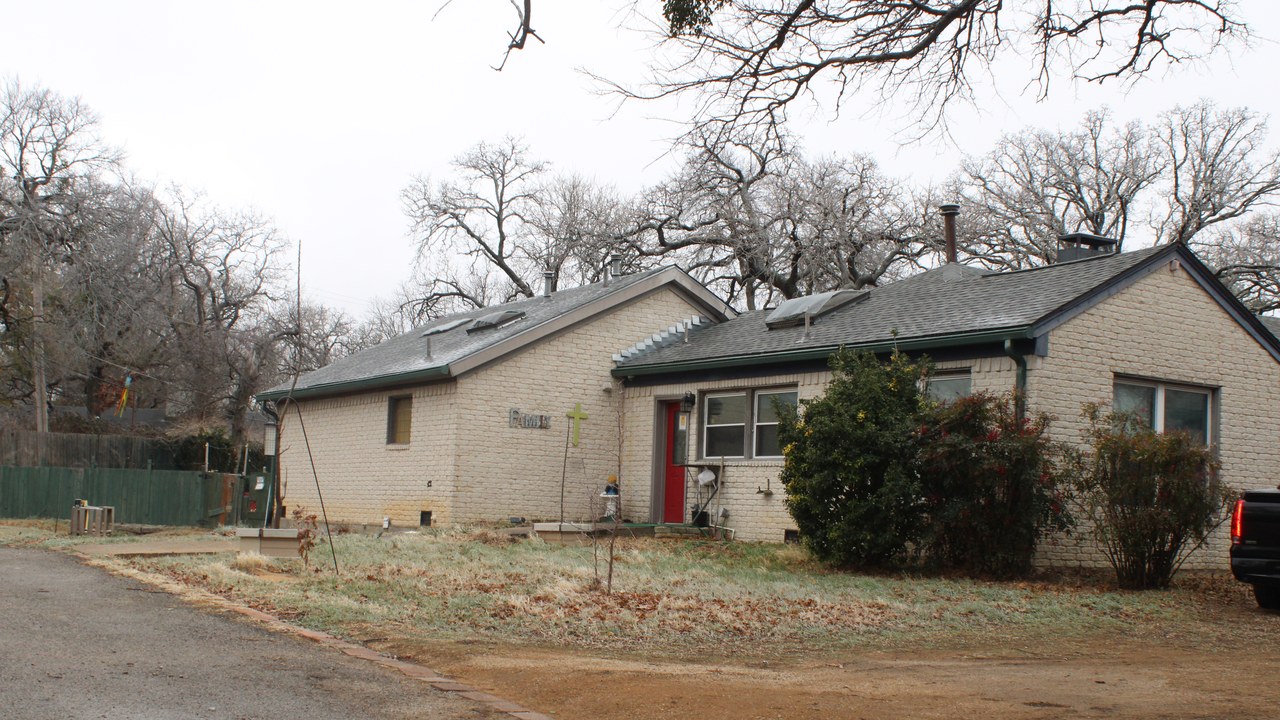
The plain-text version of the notice explains the common thread. The mortgage loans “consist of first liens secured by single family, vacant residential properties, where the borrower and co-borrowing spouse are deceased, and heirs have not come forward in the time elapsed.” A reverse mortgage becomes due after the last borrower dies, and these are the cases in which nobody has stepped forward to resolve the loan.
The sale is therefore a way for HUD to move loans on empty houses off its books. The notice calls the structure an open competitive whole-loan sale and says HUD will evaluate bids “in terms of the best value to HUD, in its sole and absolute discretion.” The seller is HUD, and the notice was signed on September 22 by Joseph M. Gormley, who holds the title of president of the Government National Mortgage Association and performs the delegable duties of the Assistant Secretary for Housing and Federal Housing Commissioner.
What “without FHA insurance” means in the notice
The key sentence is short: “The mortgage loans will be sold without FHA insurance and with servicing released.” HECM loans are originated under the Federal Housing Administration’s program, and the notice states that the buyer will not receive FHA insurance on them. Servicing released means HUD passes the servicing rights along with the loans, so the winning bidder, not HUD, will handle the loans afterward.
The notice does not describe what the missing insurance means for pricing or for the buyer’s risk, and nothing in it should be read as a statement about the homes’ condition or value. What the document does establish is the term itself, repeated in HUD’s other current loan sale notice, the Notice of HUD-Held Healthcare Loan Sale (HLS 2027-1), which covers 11 unsubsidized healthcare mortgage loans on 11 properties and also says they are sold without FHA insurance. That sale has its own bid date, on or about November 17, 2026, and is a separate transaction.
The October 27 bid date and what follows
The notice sets the calendar. The bidder’s information package, which describes how eligible bidders reach the due diligence materials remotely, became available around September 17. Bids are accepted on the Bid Date of October 27, 2026, prior to 1:00 p.m. ET. HUD anticipates awards on October 30, 2026, and loan delivery is to follow within 60 days of the award date.
The package is posted on the Falcon Asset Sales website named in the notice, John Lucey as the contact at 202-708-2625, extension 3927. Bidders must submit a Confidentiality Agreement, a Qualification Statement on form HUD-9611 and an Attestation before they can take part.
Who may bid, and who is shut out
The notice does not limit the sale to nonprofits, though it says nonprofit and governmental entities may participate. It also lists parties that cannot bid: those debarred, suspended or excluded from doing business with HUD, people with certain past involvement in servicing the loans, former HUD Office of Housing employees and contractors who served on the sale, and anyone with a conflict of interest.
Two conditions reflect recent policy. First, bidders must attest that no mortgage loan will result in an acquisition of the security property “in circumstances that would be prohibited by” Title X of the 21st Century ROAD to Housing Act, Public Law 119-101. The notice names the law but does not spell out its prohibitions in the text reviewed. Second, an individual or entity “in violation of its neighborhood stabilizing outcome obligations or post-sale reporting requirements under a Conveyance, Assignment and Assumption Agreement executed for a past sale” is ineligible, which ties this sale’s bidders to their record in earlier HUD sales.
What the notice leaves for later
The notice describes the loans in the aggregate. Loan-level detail is for the bidder’s information package, which the notice says tells eligible bidders how to reach the due diligence materials. For everyone else, the controlling record is the Federal Register notice, and the award HUD anticipates around October 30 is the next marker.
The scale is the point of record: roughly 4,200 loans, about $1.3 billion, a bid date of October 27 and a stated absence of FHA insurance. All four items come from the notice itself, which carries the document number 2026-19458 in the Federal Register.
Vacant homes carry bills that keep arriving
A house left empty after a borrower’s death still generates property-tax notices, utility bills and repair needs, and those bills run on their own calendars. For older homeowners and families in neighboring houses, home costs show up as a stack of deadlines with no single calendar.
The Senior Property Tax & Home-Cost Relief Kit contains the 5 kinds of property-tax relief and an application log and renewal calendar, with heating, cooling and home-repair help in the same kit.
Open The Senior Property Tax & Home-Cost Relief Kit and line up the home-cost deadlines →
This piece was drafted with AI assistance; the loan counts, dates and terms were checked against HUD’s Federal Register notice of September 23, 2026.


