
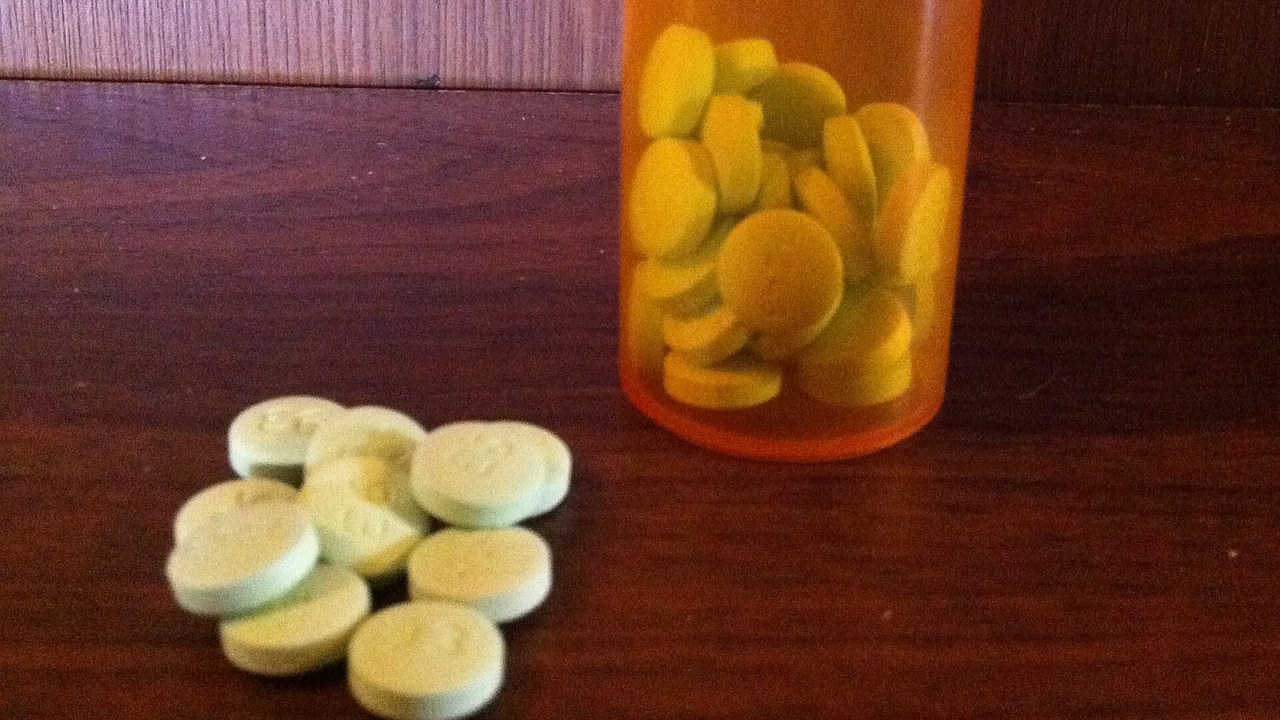
Claims are open until March 8, 2027 against a $96 million pool that New York Attorney General Letitia James says her office and its partners have secured from five generic drug manufacturers: Apotex, Heritage, Bausch, Lannett and Glenmark Pharmaceuticals USA. The money comes from settlements of a price-fixing case involving more than 100 generic drugs, and it sits behind a single online claim portal. A newer, larger deal with Sandoz arrived October 1, but the pool built by these five is the one already collecting claims.
Affiliate links — we may earn a commission.
Inside the guide for this claim window: The Settlement & Refund Recovery System pairs the four-date rule for reading a settlement notice with a claim log and payment tracker.
Get the four-date rule and claim log for the March 8 window →
How the $96 million was assembled, one manufacturer pair at a time
The pool did not arrive in one stroke. The attorney general’s October 1 Sandoz announcement recaps the earlier deals: Apotex and Heritage settled for $49.1 million in November 2024, Lannett and Bausch for $17 million in February 2026, and Glenmark for more than $29 million in July 2026. Added together, those line up with the roughly $96 million the office cites in its claims notice.
Each payment came from a different company on a different timetable, which explains why one notice can carry several dates. The unifying piece is the claim portal, where all of the money is meant to reach consumers through a single filing process.
What the September 22 notice asks of consumers
In the September 22 release, James urged eligible New Yorkers to file by March 8, 2027, saying: “For years, dozens of pharmaceutical companies cheated New Yorkers with shady backroom deals that raised prices.” The notice is aimed at people who bought any of the more than 100 generic drugs involved in the scheme.
Claims go through the portal at www.AGGenericDrugs.com. The release also lists an email address for the claims administrator, [email protected], a phone line at 1-866-290-0182, and a mailing route whose address appears on the portal’s contact page. The products named span tablets, capsules, creams and ointments, covering antibiotics, antidepressants, contraceptives, anti-inflammatory drugs and medicines for infections, diabetes, cancer, epilepsy, multiple sclerosis, HIV and ADHD. In some cases, prices rose more than 1,000 percent.
A purchase window the September notice leaves out
The September 22 text does not state which years of purchases qualify. The October 1 Sandoz release does: listed generic prescription drugs bought between May 2009 and December 2019. The two documents come from the same office and the same portal, and the window in the later one is the one to check against pharmacy history, though the portal’s own drug list remains the controlling reference.
Neither release sets a per-person amount. The attorney general’s office has described compensation without publishing a payout figure, and the final split will depend on the claims filed. Money from the five makers and from Sandoz is separate in origin but, per the Sandoz release, is headed to consumers across the coalition states.
Litigation that is still running behind the claim window
The five settling companies are only part of the case. The September 22 notice says the lawsuits involve dozens more defendants, and the cases were filed in 2016, 2019 and 2020 and include individual executives as well as corporations. Eight pharmaceutical executives are cooperating with the states: Jeffery Glazer and Jason Malek, both former Heritage Pharmaceuticals executives, and six more who have entered settlements with the coalition of attorneys general.
The October 1 Sandoz release sketches how large that case is. The first complaint named 18 corporate defendants, two individuals and 15 generic drugs. The second, filed in 2019, targeted Teva Pharmaceuticals and 19 other manufacturers and named 16 senior executives. The third covers 80 mostly topical drugs and names 26 corporations and 10 individuals. Sandoz’s $400 million, which the release says is $320,560,180 plus interest over seven years, is more than four times the pool from the five makers, so the money already collected is still a fraction of what the coalition has announced.
For a consumer, the important consequence is that the March 8, 2027 deadline is attached to the claims process, not to the lawsuits. The deadline stated in the notice is the one to work from, and any later notice would appear in the office’s press release index.
Six dates in these releases, and only March 8, 2027 closes the claim window
Read together, the two releases carry settlement dates of November 2024, February 2026 and July 2026, a notice dated September 22, 2026, a Sandoz announcement on October 1, and a purchase period that ends in December 2019. Only one of those is the date by which a claim must be in: March 8, 2027. Mixing up a settlement date with the filing cutoff is the easy mistake.
A household also has to record what it submitted. With a window open for months and money arriving from several makers, a note of the date filed, the drugs listed and the confirmation received is the only way to tell later whether a claim went through.
The official route is the portal and phone line in the attorney general’s releases, and the cutoff applies on that route like any other.
Deadline and payout tracking for filed claims
A claim that stays open for months still needs someone to remember it. MoneyPilot is a paid subscription service that files claim forms for members and tracks deadlines and payout status. It also keeps a list of open class-action settlements and shows which ones may match a member.
Check how MoneyPilot tracks deadlines and payout status →
AI assistance was used to draft this report; its figures trace to the two attorney general releases linked above.


