
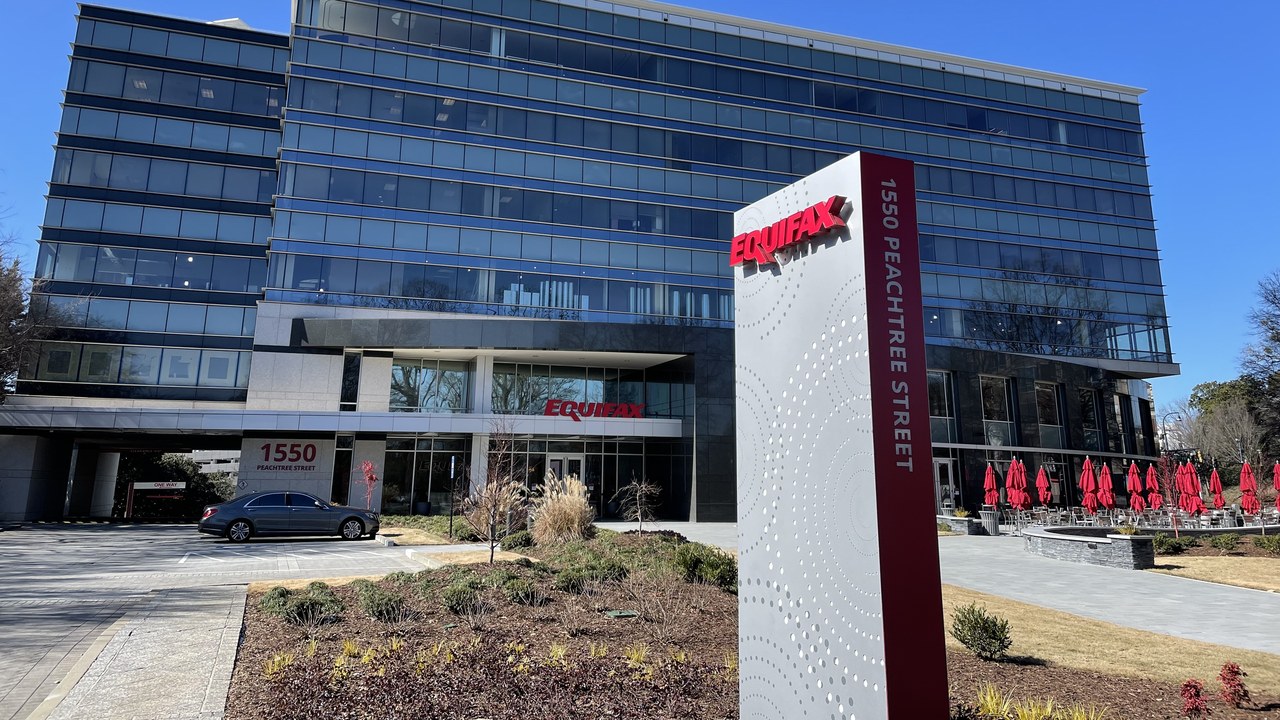
A coding error inside Equifax, lasting about three weeks in the spring of 2022, has produced a class settlement that stops taking claims on December 28, 2026. The case concerns credit scores and credit attributes that reached lenders and other third parties in a different form than they should have. Equifax’s own analysis, not the consumer, determines who belongs to the class.
One Equifax notice, two dates. The November 27 exclusion date and the December 28 claim date sit side by side, and The Settlement & Refund Recovery System includes the four-date rule for reading a settlement notice.
Sort the November 27 and December 28 dates with the four-date rule →
The OMS Issue and its 22 days
The settlement administrator’s website defines the problem as “a computer coding issue” that Equifax experienced between March 17, 2022 and April 8, 2022. Counted from the first date to the last, that is 22 days, or just over three weeks. The settlement calls it the OMS Issue.
The class covers all individuals in the United States for whom a credit score or credit attribute that differed from what it would have been without the OMS Issue was reported by Equifax to a third party in connection with a Class Transaction. The wording turns on what a third party was sent, so the test is the figure that left Equifax’s systems during the window and not how a consumer later judged a score. The class is nationwide.
A class that Equifax identifies from its own records
The administrator describes a Class Transaction as one that Equifax identified in its OMS Analysis. A consumer therefore cannot join by asserting that a score looked wrong in 2022. A third-party summary from OpenClassActions, which reports the case as In re Equifax Fair Credit Reporting Act Litigation, No. 1:22-cv-3072-LMM-CCB in the Northern District of Georgia, adds that membership is limited to people flagged in Equifax’s internal post-incident review and that a Claim ID and PIN from the official notice are mandatory.
A household that received no notice has no administrator page that explains how to obtain one, among the pages read for this article. The administrator’s site is the place to ask, and the site carries the claim form.
No fund total, no per-person figure
The administrator publishes neither the size of the settlement fund nor an amount per class member. That leaves the household budget without a number to plan around, and a payment cannot be assumed at all until the court acts. Larger fund and payout figures have circulated in class-action press coverage. Because the administrator does not publish them, none is repeated here.
The page is explicit about the one step that matters: “You must submit a claim to receive payment.” No claim means no payment, regardless of how a score was affected.
What a valid claim gives up, and the January hearing
Filing carries a legal consequence that the administrator spells out. A valid claim means the claimant “will give up all claims against Equifax relating to the coding issue.” The exclusion route runs the other way: a person who wants to keep the right to sue Equifax separately over the coding problem has until November 27, 2026 to be excluded, and the same date applies to objections.
The court decides whether to approve the deal at a final approval hearing on January 22, 2027 at 2:00 p.m. in the United States District Court for the Northern District of Georgia in Atlanta. Payments cannot follow before that ruling, and the pages read give no payment date.
A November date, a December date and a window from 2022
The notice carries two deadlines that are easy to merge. The administrator lists November 27, 2026 for exclusion and objection and December 28, 2026 for claims. Meeting the first does not satisfy the second. A person who skips the exclusion date but files a claim by December 28 is inside the settlement; a person who is excluded on November 27 has stepped outside it, so the two dates call for a choice made before the first one arrives.
The affected window is also far back. March 17 to April 8, 2022 predates the present by more than four years, so any memory of a loan or rental application from those weeks has to be reconstructed. The Federal Trade Commission’s guidance on free credit reports notes that a denial of credit, employment, insurance or housing entitles the consumer to a free report if requested within 60 days of the notice, a window that has long closed for a 2022 denial. The administrator’s pages do not list which records a claim must include, so the claim form is the controlling document on that point.
Claims go directly to the administrator through the settlement website, and the pages read describe no fee for filing. Nothing on those pages calls for paid help to file, and the settlement site itself carries the form and the instructions for submitting it.
The record for all of this is the administrator’s site, which lists the March 17 to April 8, 2022 window, the December 28, 2026 claim date, the November 27, 2026 exclusion and objection date and the January 22, 2027 hearing.
Tracking several settlement deadlines in one place
MoneyPilot is a paid subscription service that lists open class-action settlements and shows which ones may match a member. It files claim forms for members and tracks deadlines and payout status, which matters when one notice carries separate dates for exclusion and for claims.
See how MoneyPilot lists settlements and tracks each deadline → We may earn a commission if you buy through this link.
This article was written with AI assistance and checked against the administrator’s website before publication.


