
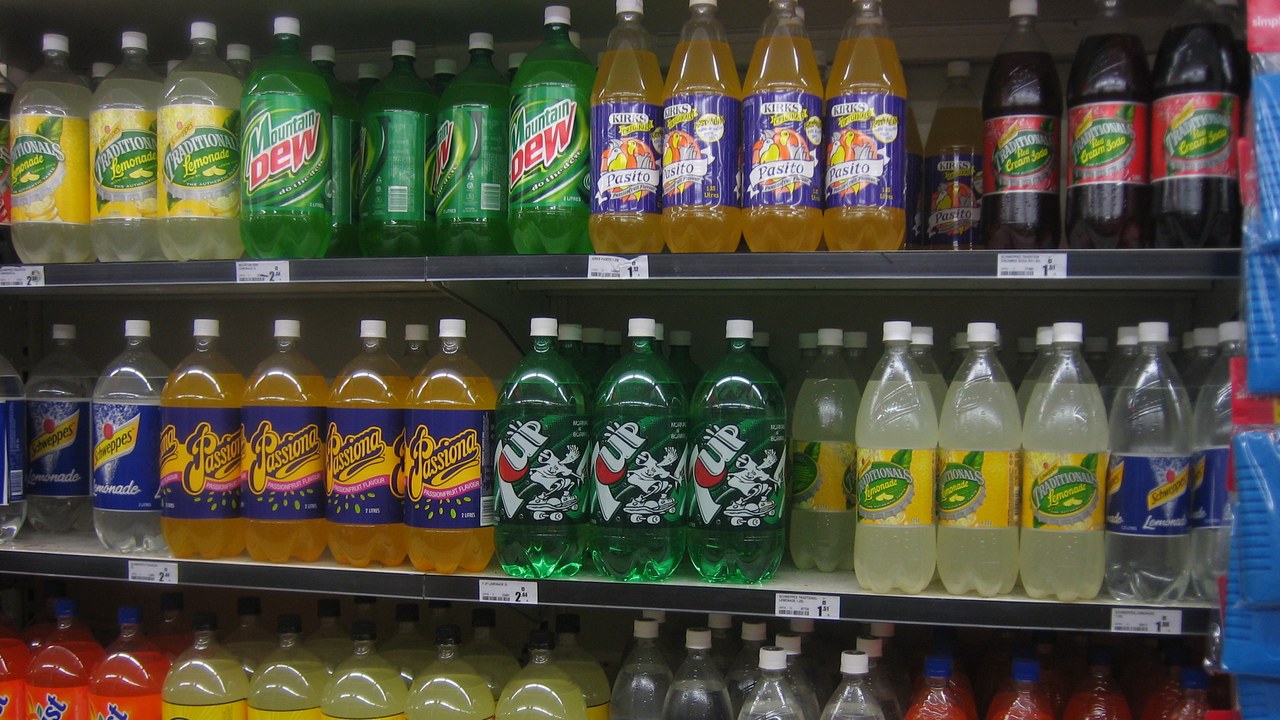
USDA’s waiver table lists November 1, 2026 as the target implementation date for SNAP soda and candy restrictions in five states: Montana, North Dakota, Ohio, South Carolina and Virginia. The date is USDA’s listing, not a confirmation from the states themselves. Ohio has paused its start at the federal government’s request and named no new date, and a public comment window on the state projects runs through October 15.
What the November 1 column actually says
The SNAP food restriction waivers page of USDA’s Food and Nutrition Administration was updated September 25, 2026. Its date column is headed “Target Implementation Date,” and five rows carry November 1, 2026. A target is a goal on a federal table. The wording in this article therefore stays at what the agency lists, because the sources reviewed here include no confirmation of November 1 from any of the five state agencies.
The table has 23 rows in all. Only the five above share the November date, which makes them the group that could change what a SNAP card buys within the next month.
Five lists of restricted items, no two alike
The headline’s “soda and candy” is shorthand, and the table shows the restrictions differ from state to state. Montana’s entry names “high-sugar beverages, energy drinks, candy, and prepared desserts.” North Dakota’s names sweetened beverages, energy drinks and candy. South Carolina’s lists candy, energy drinks, soft drinks and sweetened beverages. Virginia’s names sweetened beverages alone. Ohio’s covers sugar-sweetened beverages and all fountain drinks, with no candy line.
For a household shopping across a state line, the same cart could be treated differently on each side. Candy would be blocked in Montana, North Dakota and South Carolina on the table’s wording, while Ohio and Virginia would turn away drinks only. A grocery budget built on SNAP would then have to cover the blocked items from other money, such as cash or a debit card, a swap that is the practical effect of any purchase restriction.
Why Ohio’s start slipped
Ohio had planned an October 1 start. According to 13abc in Toledo, the Ohio Department of Job and Family Services announced a delay after the Food and Nutrition Administration asked the state to hold off so USDA could publish a notice in the Federal Register and weigh public comments before the project begins. In the station’s words, “Ohio has paused the start of the ban until receiving further guidance.” The state gave no replacement date.
The USDA table nonetheless shows Ohio on the November 1 line, which is why the headline’s date and Ohio’s pause sit side by side. Both can be true at once: USDA lists a target while the state agency waits for guidance. A household in Ohio has no state-confirmed start date to plan around.
An October 15 deadline two weeks ahead of the target
The comment notices appeared in the Federal Register on September 15. Ohio’s notice gives October 15, 2026 as the date by which written comments must be received, and it records the state’s request to add fountain drinks to the excluded list. The notice is signed by Shiela Corley, acting administrator of the Food and Nutrition Administration. It still prints October 1 as the effective date, which the delay has overtaken, and it says USDA “will carefully review the results of the project based on the State’s evaluation data.”
Companion notices carry the same October 15 deadline for South Carolina and Montana, and Virginia’s page shows a notice dated the same day. None of the notices read for this article was for North Dakota. The South Carolina notice names a docket, FNA-2026-0311, on regulations.gov and an email address for comments, so the comment route is public. The comment period runs 30 days from publication, and its October 15 close falls about two weeks before the target on the table.
What stays unsettled on October 1
The notices and the table also leave out numbers a household budget would need. The Ohio notice does not quantify how many households or purchases the restriction would touch, and the waiver page lists items, not dollar effects. Any estimate of what a given family would redirect to cash at the register would be a guess, so this article offers none.
Three questions are open as of today. The first is whether USDA keeps November 1 for all five states once the comments are in. The second is when Ohio will announce a date of its own. The third is whether any state agency will confirm November 1 in writing before then. USDA’s table records the first and none of the sources report the other two.
The table itself is a moving document. USDA’s own page also notes that a federal court in the District of Columbia, in Aragon et al. v. Rollins et al., ordered the agency’s approval of certain other states’ waivers vacated, which shows that these projects can change after approval. The controlling record for any change in the five November 1 entries remains the Food and Nutrition Administration’s waiver page and the Federal Register notices behind it.
Purchase restrictions leave renewal dates untouched
State purchase restrictions change what a SNAP card can buy at checkout. They do not change when a household recertifies or reports a change, and those dates keep running on the state’s own schedule while the restriction rules settle.
The SNAP & Medicaid Renewal Organizer holds a renewal document checklist and a renewal and reporting calendar, with 51 state packs for state-specific paperwork.
Work out a SNAP household’s reporting dates around a purchase-rule change →
This article was drafted with AI assistance and checked against the USDA and Federal Register pages linked above.


