
Federal prosecutors in Utah say a supervisor at the Agriculture Department’s inspector general office submitted paperwork declaring herself totally disabled on the same day she flew to Italy. Michelle L. Bouziden, 44, of Ogden, is accused of collecting $51,571.73 in federal workers’ compensation and of hiking more than 50 miles in the Dolomites during the same stretch. She is charged, not convicted, and prosecutors are laying out allegations that a jury will be asked to weigh.
A March concussion and a claim of total disability
According to the U.S. Attorney’s Office for the District of Utah, Bouziden is an assistant special agent in charge at the USDA Office of Inspector General, a federal fraud investigator in a supervisory role. She suffered a concussion in March 2026. Prosecutors say that beginning May 14, 2026, she falsely claimed that ongoing symptoms left her totally disabled and unable to work.
The description of her claimed limits is specific. Prosecutors say she told the government she could not engage in “arduous physical activity” or cognitive reasoning, and could not sit, walk, stand, twist, bend, squat, kneel, climb or operate vehicles. The office says she received $51,571.73 in disability compensation.
Two weeks in Italy, documented online
The timeline is the heart of the accusation. Prosecutors say Bouziden submitted documents to the Department of Labor indicating she was totally disabled on the same day she flew to Italy, and that she stayed for two weeks. In that time, according to the office, she hiked more than 50 miles in Italy’s Dolomites and documented the experience on social media.
The announcement gives no calendar dates for the trip or the flight, and it does not say how the posts came to the attention of investigators. It says only that the posts and the hiking sit alongside the sworn picture of total disability that prosecutors describe.
The canceled medical evaluation
A second thread involves a medical appointment. The office says Bouziden canceled a mandatory independent medical evaluation, telling the government the appointment conflicted with a “wellness retreat.” An independent evaluation, as the name indicates, gives the paying agency a medical opinion separate from the claimant’s own. The announcement frames the cancellation as part of the alleged pattern rather than as a separate offense.
Four counts and the false-statement law behind them
Bouziden is charged with four counts: wire fraud, false reports to obtain federal workers’ compensation benefits, obstruction of federal department and agency proceedings, and theft of government property. The release does not list per-count penalties. The statute that makes false statements to obtain federal employees’ compensation a crime, Section 1920 of Title 18, covers knowingly and willfully falsifying, concealing or covering up a material fact, and sets a maximum of five years in prison, or one year when the amount is $1,000 or less.
That is the ceiling written into the law, not a sentence prosecutors are seeking for Bouziden. Assistant U.S. Attorney Luisa Gough is prosecuting, and the inspector general offices of both the Agriculture and Labor departments investigated. That means the case was built in part by the watchdog office of the department that administers the compensation program, working with the watchdog office of the agency where the defendant holds her post.
What the compensation program is and what the case does not show
The money at issue came through the federal employees’ compensation system run by the Labor Department’s Office of Workers’ Compensation Programs. The program’s own page says the Division of Federal Employees’ Compensation adjudicates new claims, manages ongoing cases, and pays medical expenses and compensation to injured workers and survivors. Claims are filed through an online system that accepts uploaded supporting documents.
The program is separate from Social Security disability insurance, so the case has no bearing on how those benefits are decided. It is also one accusation about one claim. Nothing in the announcement suggests a wider problem with how the program evaluates injured federal workers, and the funds involved are public money either way.
What the case does illustrate is that a claim built on documents can be tested against a claimant’s own public activity. Ordinary households encounter that principle when benefits depend on reported work, health or living arrangements, and prosecutors say the same principle applied here to a person who worked in fraud enforcement.
The charge, the trial date and the presumption of innocence
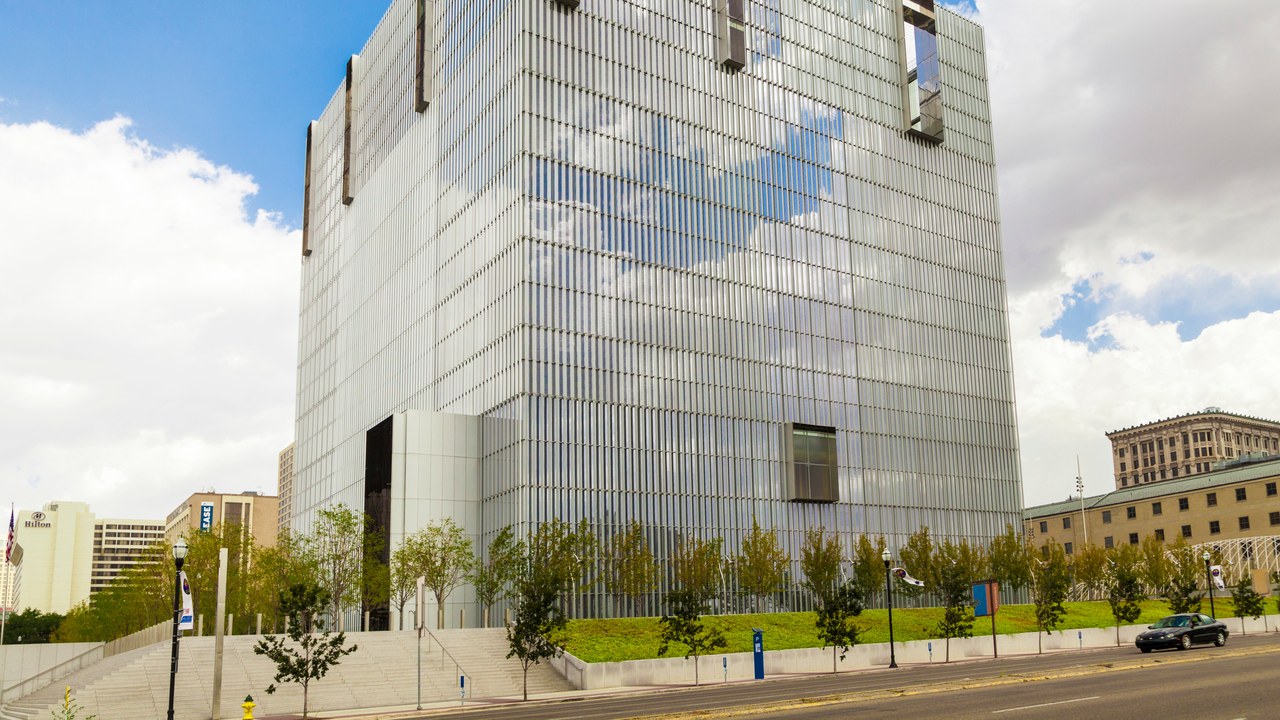
U.S. Attorney Melissa Holyoak said in the announcement: “Bouziden’s alleged fraud not only cheats taxpayers but is an affront to those hardworking federal employees who show up every day to fight fraud.” A jury trial is scheduled for Nov. 30, 2026, at the Orrin G. Hatch U.S. Courthouse in Salt Lake City. The office’s own language on the case is plain: “An indictment is merely an allegation. All defendants are presumed innocent until proven guilty beyond a reasonable doubt in a court of law.”
Family code words and credit freezes before a suspicious call
Households with older members often need a plan agreed on in advance, not one improvised after a suspicious call or message has already arrived. A short written procedure helps relatives who share the job of watching accounts and answering the phone.
The Senior Fraud Defense & First-Hour Recovery Kit is a 9-page kit that includes the family code word and the free credit-freeze steps, both of which a family can work through before any suspicious contact.
Click here to open The Senior Fraud Defense & First-Hour Recovery Kit →
Drafted with AI assistance from the U.S. Attorney’s Office announcement and the Labor Department and statute pages linked above, then checked against them.


