
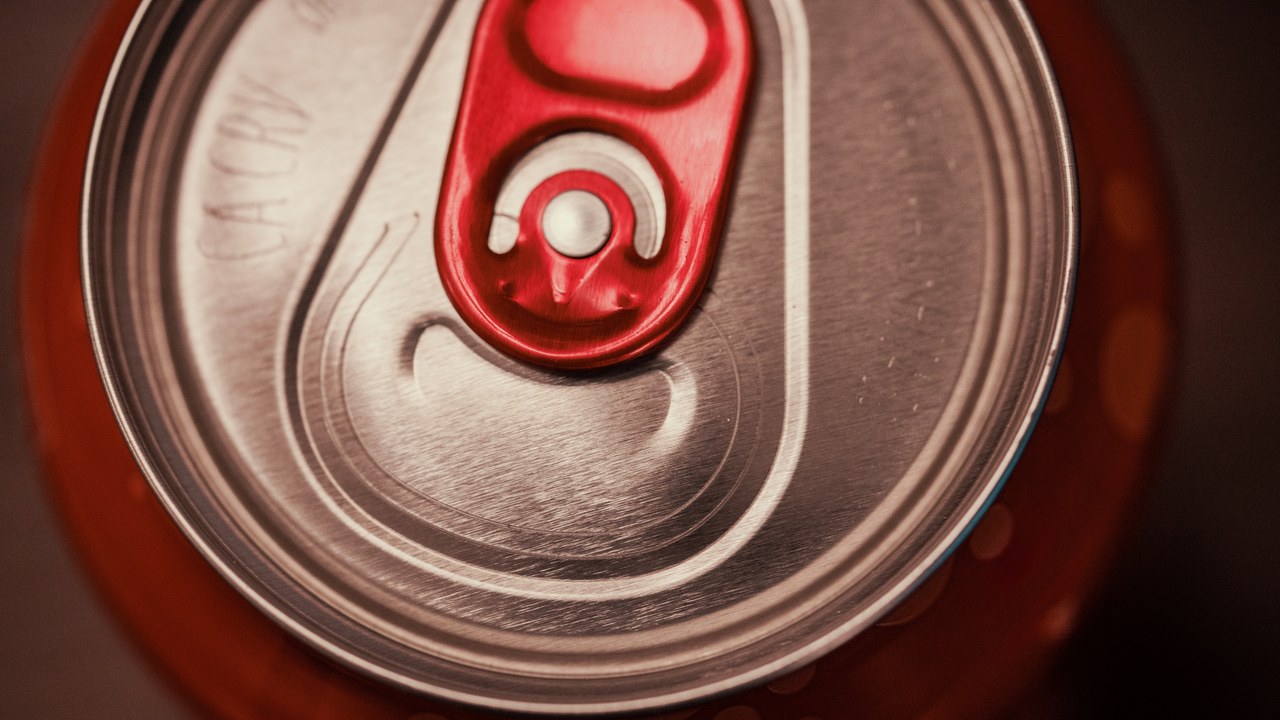
A zero-calorie label does not exempt a can from Florida’s food stamp rules. The state’s Healthy SNAP definition of soda covers carbonated water sweetened with artificial sweeteners as well as sugar, and the Florida Department of Children and Families names Diet Coke as an example. Energy drinks are barred too, while Gatorade still qualifies.
Diet Coke lands in the soda column
The Healthy SNAP recipient page defines soda as carbonated water “sweetened with added sugars or artificial sweeteners.” The phrase settles a question that shoppers often raise, which is whether a diet version counts. In Florida, it does, and the page uses Diet Coke as one of its named examples.
The wording makes the sweetener, not the calorie count, the test. A can of regular cola and a can of diet cola both fall inside the definition. A carbonated drink with neither added sugar nor artificial sweetener falls outside it, which is where the state’s exception for plain and naturally flavored sparkling water comes in.
Energy drinks are defined by caffeine, not by brand
For energy drinks, Florida chose a measurable threshold: 65 milligrams or more of caffeine per 8 ounces. The examples on the page include Monster, Red Bull, Celsius and 5-Hour Energy. The threshold works as the rule and the brands work as illustrations.
The arithmetic shows how the measure scales. A drink at exactly that concentration would carry 130 milligrams of caffeine in a 16-ounce container, since 16 ounces is two servings of 8. The state’s page states the rate per 8 ounces, so the concentration, not the size of the can, determines whether a drink falls inside the ban.
What stays on the shelf for SNAP: Gatorade, Powerade and sparkling water
The same page lists sports drinks as eligible, naming Gatorade and Powerade, along with plain and naturally flavored sparkling water. For a household that buys drinks for a child’s ball game, a sports drink remains a SNAP purchase, while an energy drink of the sort sold in the same cooler is not.
The pairing shows how the rule works. Florida is not restricting everything sweet or everything with a stimulant; it is sorting drinks into named classes, and the class decides the outcome. Sports drinks are on the allowed side, and sodas of both kinds and energy drinks are on the barred side.
The waiver behind the drink list
The drink limits come from a federal waiver. The U.S. Department of Agriculture’s Florida page says the waiver was approved on August 4, 2025, and that its start was moved from January 1, 2026 to April 20, 2026. The department’s food restriction table lists Florida’s scope as soda, energy drinks, candy and prepared desserts from April 20, 2026.
The same table lists Arkansas, whose limits took effect on July 1, 2026, with soda, fruit and vegetable drinks with less than 50% natural juice, energy drinks, unhealthy drinks and candy. The table also notes that five other states’ waivers (Colorado, Iowa, Nebraska, Tennessee and West Virginia) were vacated by a federal court order on June 22, 2026; Florida’s is not among them and remains in effect. Each state writes its own definitions, and the Florida examples in this article describe Florida only. A shopper in Arkansas or another waiver state should look at that state’s list.
Arkansas spells the same point out in its own words
Another state that puts the diet question in writing is Arkansas. The USDA’s Arkansas waiver page lists the restricted items as soda, low and no-calorie soda, fruit and vegetable drinks with less than 50% natural juice, other unhealthy drinks and candy, and notes a modification approved on May 12, 2026 that adjusted definitions. Florida and Arkansas therefore both treat low-calorie soda as soda, though their lists differ on other drinks, so the two are not interchangeable.
Florida’s demonstration is also scheduled to run about two years from its April 20, 2026 start, per the USDA page. Until then, the drink definitions on the state’s page are the working rulebook for Florida SNAP shoppers.
What the drink rules do to a weekly budget
A household that stocked soda or energy drinks with SNAP benefits has to shift that portion of the bill to another payment source or change what goes in the cart. Diet drinks are the group most likely to surprise a shopper who assumed that dropping the sugar would keep the purchase on the eligible side. Sports drinks and sparkling water are the substitutes the state’s own list leaves open. The barred categories cover both the sugar-sweetened and the artificially sweetened versions of soda, so switching from regular to diet inside the soda aisle changes nothing about eligibility.
Whether a particular product not named on the page counts depends on the written definitions. The state’s Healthy SNAP recipient page, together with the USDA’s Florida waiver page, is the place to check a specific drink against the rule.
When a state’s SNAP list and the store shelf disagree
Florida’s drink definitions leave a gap between what a label suggests and what a SNAP card will pay for, and the definitions are not the same in each waiver state. That gap sits alongside the renewal and reporting dates that decide whether the benefit continues at all.
The SNAP & Medicaid Renewal Organizer includes 51 state packs, a renewal document checklist and a renewal and reporting calendar for keeping those dates in view.
Tap here to get The SNAP & Medicaid Renewal Organizer with a pack for every state →
AI tools assisted with this report; an editor compared it with Florida’s SNAP list and the USDA waiver table before publication.


