
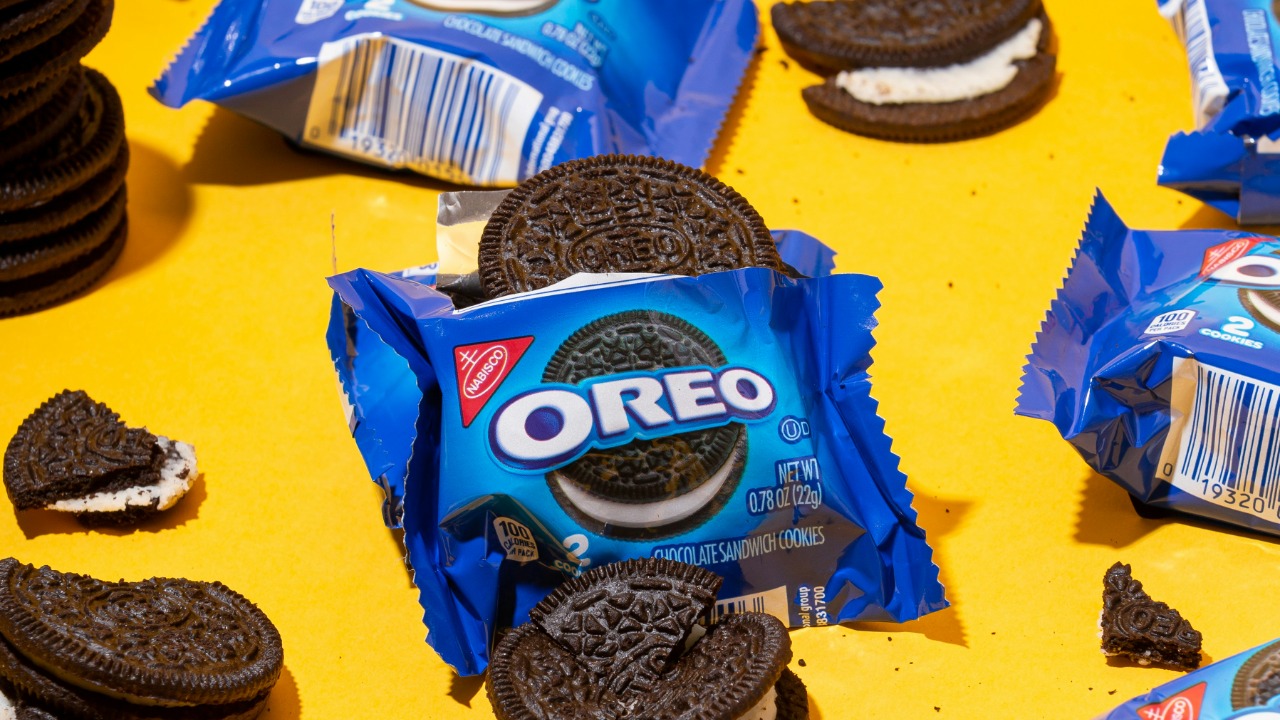
Two snack boxes can share a shelf in a Florida supermarket and land on opposite sides of a SNAP rule. Under the state’s Healthy SNAP program, Oreos, Chips Ahoy! and Twinkies are barred from food stamp purchases, while Pop-Tarts and granola bars stay eligible. The line follows a definition the Florida Department of Children and Families wrote for “prepared desserts.”
The Florida definition that sorts cookies from toaster pastries
Florida’s Healthy SNAP recipient page defines a prepared dessert as “processed, shelf-stable, ready-to-eat, pre-packaged sweet food intended for immediate consumption.” The state’s own examples of what is now barred are Twinkies, Ho Hos, Swiss Rolls, Oatmeal Creme Pies, Chips Ahoy!, Oreos and Famous Amos cookies.
The same page lists what stays on the eligible side. Granola bars, toaster strudels, Pop-Tarts and BelVita are named as still eligible, along with freshly prepared baked goods. The definition turns on how a food is made and sold (processed, shelf-stable, pre-packaged, ready to eat), and the state’s named examples then place each product on one side or the other.
What the brand names show about the rule’s shape
A few of the state’s examples carry a pattern. The barred items are mostly cookies, snack cakes and cream-filled sweets that are ready to eat straight from the package. The eligible items are mostly cereal-style bars and toaster products that sit closer to breakfast and lunchbox food. A household that stocks school lunches with granola bars would notice no difference at the register. A household that buys a package of Oreos with the EBT card would.
The brand list on the state’s page is described as examples, not a complete catalogue, so a product that is not named is judged against the written definition.
Store bakeries sit on the eligible side
One category of sweets sits outside the ban altogether. The Healthy SNAP page lists freshly prepared baked goods among the items that stay eligible. That puts a cake or pastry made fresh at a store on a different footing from a packaged snack cake with a long shelf life, even though both are sweet baked goods. The ban is aimed at the processed, shelf-stable product, and the state’s wording draws the line at “immediate consumption” of a pre-packaged item.
For a household comparing the bakery counter with the snack aisle, the practical difference is which of the two the state placed on its list. The named examples make that visible, and the written definition covers items the list does not spell out.
A waiver with dates attached
The restriction exists through a federal waiver, not a permanent change to the SNAP statute. The U.S. Department of Agriculture’s Florida waiver page says the request was approved on August 4, 2025, and that implementation was pushed back from January 1, 2026 to April 20, 2026, following a modification dated December 12, 2025. The demonstration runs for about two years.
The department’s table of food restriction waivers lists Florida’s scope as soda, energy drinks, candy and prepared desserts, with an April 20, 2026 start. That means the dessert rule is one of four categories, and the drink and candy limits sit alongside it. The category this article covers is only the dessert piece.
Montana and Missouri list desserts too
Florida is not the only state with prepared desserts on its list. The same USDA table shows Montana starting a limit that includes prepared desserts on November 1, 2026. Missouri follows on February 15, 2027, with a waiver covering candy, prepared desserts and certain unhealthy beverages.
The table also shows that each state writes its own definition, so a Montana or Missouri shopper should not assume the Florida brand list carries over. Only Florida’s version has been in effect for months, and only Florida’s page carries the named cookie and snack-cake examples described here.
What changes in a household grocery budget
For a family that used SNAP for packaged cookies and snack cakes, the change moves that spending to other money. Cash, or another payment method, still works for the barred items, since the restriction applies to SNAP benefits and not to what a store sells. Because the waiver is scheduled to run for about two years from implementation, the list would stay in place until roughly the spring of 2028, unless it is changed sooner. The more practical effect is on planning. A shopper who assumes a lunchbox staple such as a granola bar is barred might skip an eligible item, and one who assumes a snack cake is fine might have a card declined at the register.
The pages read for this article do not give the number of Florida households affected, so no estimate is offered here. The primary texts remain the Florida Department of Children and Families Healthy SNAP page and the U.S. Department of Agriculture’s Florida waiver page, and both are the places to check a specific product against the current list.
Sorting SNAP rules that change by state and by product
Florida’s dessert limit is one state rule among several that decide what a SNAP card buys, and the rules change on state timetables. The household side of the benefit, the recertification and reporting dates, follows its own calendar.
The SNAP & Medicaid Renewal Organizer includes a renewal document checklist, a renewal and reporting calendar and 51 state packs for keeping those benefit dates in one place.
Click here to get The SNAP & Medicaid Renewal Organizer and its reporting calendar →
This article was prepared with AI assistance and checked against the cited Florida and USDA pages.


