
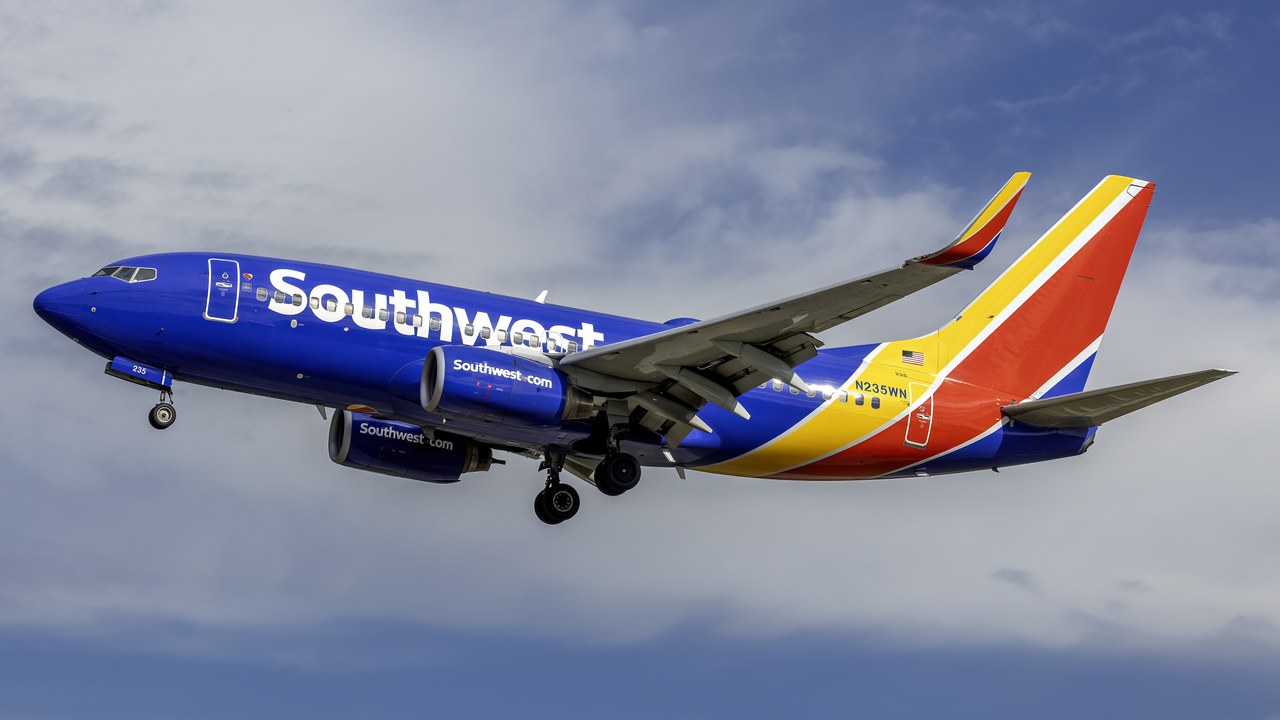
Buying a plane ticket now costs 23.4% more than it did a year ago, according to the federal government’s most recent inflation report. Airline fares rose 2.7% in August alone, one of the sharpest monthly moves among the dozens of categories the report tracks. The increase adds a real cost to holiday and family travel just as airlines head into their busiest booking months of the year, with little sign the trend is about to reverse.
Two costs the kit tracks at home A pricier plane ticket won’t show up in a mortgage or utility bill, but The Senior Property Tax & Home-Cost Relief Kit still covers property-tax relief and heating, cooling and home-repair help. Compare the five kinds of property-tax relief →
The August Inflation Report
The Bureau of Labor Statistics publishes the Consumer Price Index every month, measuring the average change over time in prices paid by urban consumers for a broad basket of goods and services, and the report covering August 2026, released September 11, listed airline fares as one of the fastest-climbing categories it tracks. Airfares rose 23.4% over the 12 months ending in August and 2.7% within August alone, compared with a 3.4% increase for the overall all-items index and a comparatively modest 2.4% rise in core prices, which exclude food and energy. BLS’s release put airfares among a handful of categories, alongside gasoline’s 27.4% jump and energy’s 16.3% overall increase, that pushed the report’s headline number higher than most other categories would suggest on their own.
A Separate Fare Count
The Bureau of Transportation Statistics tracks average domestic airfares on its own quarterly schedule, separate from the Consumer Price Index. Its most recent report put the average domestic fare at $436.36 in the second quarter of 2026, up 9.0% from the same quarter a year earlier, even though that fare edged down slightly, by about nine cents, from the first quarter of the year, a rare small dip inside a year of otherwise steady increases. The two measures track different things: the CPI is a weighted index of price change across airline ticket categories, while the BTS figure is a straightforward average of what passengers actually paid across all reported domestic itineraries. They will not match exactly for that reason, but both point toward tickets costing meaningfully more than they did a year earlier, whichever measure a traveler happens to look at first.
What’s Driving the Increase
The BLS report does not break down which specific forces pushed airfares higher, since its monthly release covers only the size of the change rather than its cause. Airlines set fares based on jet fuel costs, demand for specific routes, and how full flights are running on any given day, all of which can shift from one month to the next. A single monthly report offers only a snapshot of where fares landed in August rather than a full explanation of why, though rising jet fuel costs tend to move in the same direction as the sharp increases already showing up in gasoline and diesel prices at the pump. Airlines have also pointed to strong demand for both business and leisure travel as a factor keeping seats full and fares firm, even as fuel costs add pressure from the other side of the ledger.
A Category That Moves With the Calendar
Airline fares are one of the more volatile lines the Consumer Price Index tracks from month to month, since ticket prices shift with fuel costs, seat availability and how far in advance a passenger books. A 2.7% increase in a single month is large by the standards of most CPI categories, most of which moved less than half a percentage point in August, and it follows several months in which airfares had already been climbing faster than the overall index. Shelter, by comparison, rose a comparatively steady 0.3% for the month and 3.0% over the year, the kind of gradual movement that rarely makes headlines on its own even though it represents a far larger share of most household budgets than air travel does.
Booking Around Higher Fares
With airfares up close to a quarter from last year, a family planning holiday travel is likely to pay noticeably more than it did in 2025 for the same route, even before baggage fees, seat selection or other add-on charges are factored in. Someone booking two round-trip domestic tickets at the current BTS average of $436.36 each is looking at roughly $872 total, compared with closer to $800 a year earlier at the pre-increase average, a gap of around $70 that can matter for a family already budgeting carefully for a trip. Neither the CPI report nor the BTS fare data offers any built-in relief mechanism, since airfares are set entirely by individual carriers rather than by any government program, leaving timing and route flexibility as the only real levers a traveler has left to pull. Shifting a trip by a few days, flying into a secondary airport or booking further in advance can sometimes soften the increase, but none of those workarounds change the underlying trend the federal data describes.
The Travel Cost Households Can’t Offset
A federal price report can track the national average fare increase, but it says nothing about the property-tax bill, utility statement or home-repair estimate landing in the same household at the same time. Airlines set their own fares, and no housing or utility relief program exists to offset a pricier plane ticket.
The Senior Property Tax & Home-Cost Relief Kit lays out the circuit-breaker credit that includes renters and the heating, cooling and home-repair help available for the fixed costs that are easier to manage.
Compare the circuit-breaker credit details inside The Senior Property Tax & Home-Cost Relief Kit.
This article was produced with AI assistance and checked by a human editor prior to publication.


