
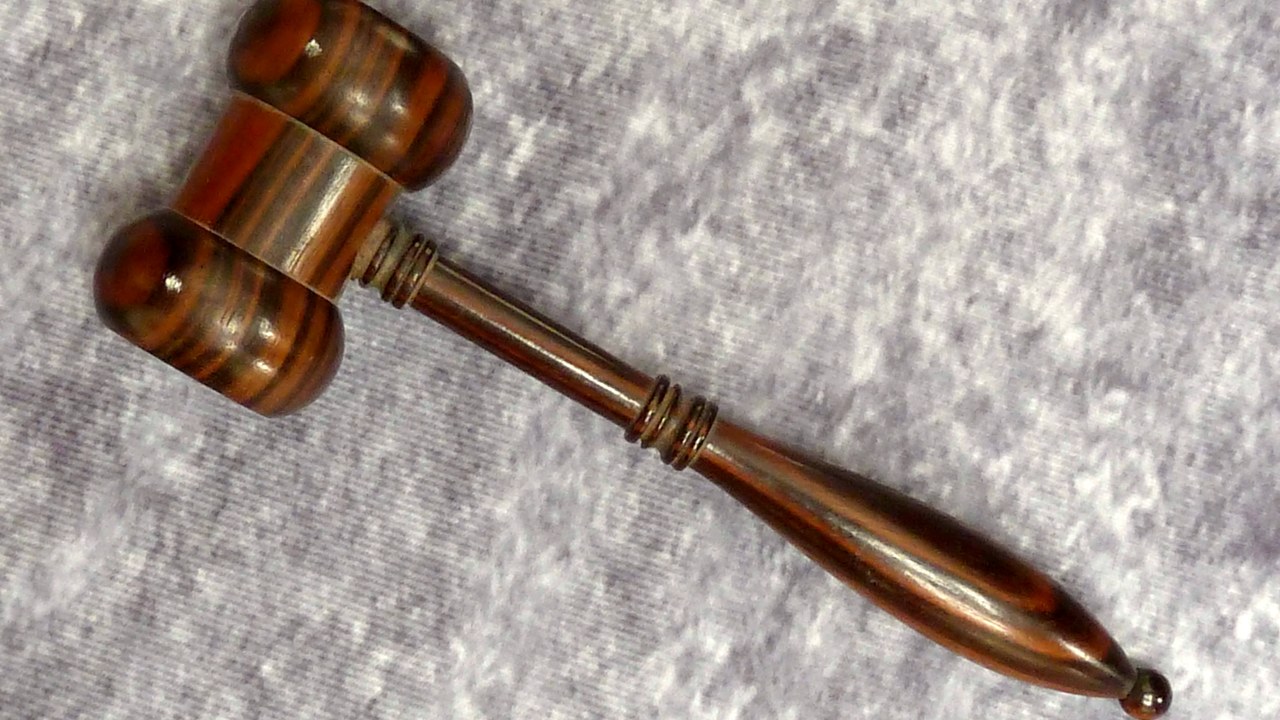
A Medicare claim denial has to clear a specific dollar threshold before it can reach an administrative law judge instead of a lower-level reviewer. The Centers for Medicare and Medicaid Services (CMS) confirmed in a Federal Register notice that the threshold stays at $200 for 2027, unchanged from the year before. A separate, higher threshold that governs the next step up, taking a dispute all the way to federal court, is rising instead, even as the lower hearing threshold holds in place for a second straight year.
Two things the $200 threshold doesn’t include: Clearing it decides only whether a claim is large enough for a hearing; it doesn’t walk through the prior-authorization appeal steps or track what a denied claim is costing. The Medicare Cost & Coverage Protection Kit does both. See the prior-authorization appeal steps for a denial →
Where a Dollar Threshold Fits in the Appeals Process
A Medicare hearing before an administrative law judge is not the first stop for a denied claim. It typically follows two earlier rounds of review inside Medicare itself, a redetermination by the contractor that processed the claim and then a reconsideration by an independent review entity, neither of which carries a minimum dollar amount attached to it. The $200 figure applies specifically to the next rung up, the point where a dispute leaves Medicare’s own internal review and reaches an administrative law judge for the first time. A claim worth less than $200 can still go through both of those earlier rounds; it simply cannot climb any higher than reconsideration unless it is combined with other claims to reach the threshold, an option CMS’s rules allow for claims that arise from a related course of treatment.
The $200 Threshold, Unchanged for 2027
CMS’s Federal Register notice, published September 16, sets the dollar amount a disputed Medicare claim must reach before a beneficiary can request a hearing before an administrative law judge at $200 for 2027, the same figure that applied in 2026. That threshold, known as the amount in controversy, applies specifically to the hearing stage of the Medicare appeals process, one step above the lower-dollar reviews that come before it, and it holds regardless of whether the claim being disputed involves a hospital stay, a piece of durable medical equipment or a prescription drug.
The Ladder Above It: Judicial Review Rises to $2,000
The same notice sets a second, higher threshold for the next stage up: taking a Medicare dispute into federal court. That figure is rising to $2,000 for 2027, up from $1,960 in 2026, even while the $200 hearing threshold holds steady. Both dollar amounts take effect January 1, 2027, and both apply to the same broad range of Medicare Part A, Part B, Part C and Part D disputes, just at different rungs of the appeals ladder.
What $200 Looks Like Against a Medicare Bill
Sized against an actual Medicare cost, $200 sits close to one month’s worth of coverage. Medicare’s page on Medicare costs lists the standard 2026 Part B premium at $202.90 a month, meaning a dispute barely larger than a single month’s premium is enough, in dollar terms, to qualify for a hearing before a judge, while the $2,000 judicial-review threshold represents something closer to ten months of that same premium stacked together. A denied hospital stay or a run of denied durable medical equipment claims can clear either threshold far more easily than a single denied office visit would, simply because of how quickly inpatient and equipment costs add up compared with routine outpatient care.
Two Ways to Get Part D, One Appeals Ladder
The same $200 and $2,000 thresholds apply whether the underlying dispute involves a stand-alone Medicare drug plan or a Medicare Advantage plan with drug coverage built in, the two paths Medicare’s drug coverage basics page describes for getting Part D benefits. A denied claim moves through the same hearing and judicial-review stages regardless of which of those two structures a person is enrolled in, since the dollar thresholds attach to the size of the dispute rather than to the type of plan behind it. That single ladder covers Original Medicare’s Part A and Part B claims as well, so a hospital stay denied under Part A and a prescription denied under a stand-alone Part D plan both answer to the identical $200 and $2,000 markers even though they start inside entirely different parts of the Medicare system.
One Notice, Two Different Numbers
Both dollar figures come out of the identical Federal Register notice each year, which is how CMS records the annual update to both thresholds at once rather than issuing two separate announcements. This year’s notice moved one number and left the other exactly where it stood in 2026, a reminder that the two thresholds, though published together on the same page, do not necessarily move in the same direction or by the same amount from one year to the next. A beneficiary tracking a dispute close to either line has to check the current notice each year rather than assuming last year’s dollar figure still applies, since CMS is not required to adjust both numbers, or either one, by the same schedule.
Getting Past the Threshold Is Only the First Step
Clearing the amount-in-controversy threshold for a hearing decides only whether a disputed Medicare claim is large enough to reach a judge. It says nothing about the steps required to challenge a denial in the first place, or about keeping track of what a drawn-out dispute is costing while it remains pending.
The Medicare Cost & Coverage Protection Kit lays out the prior-authorization appeal steps alongside a medication and cost tracker, so a disputed claim can be pursued and logged at the same time.
See the appeal steps for a denied claim in The Medicare Cost & Coverage Protection Kit.
This article was produced with AI assistance and reviewed by a human editor before publication.


