
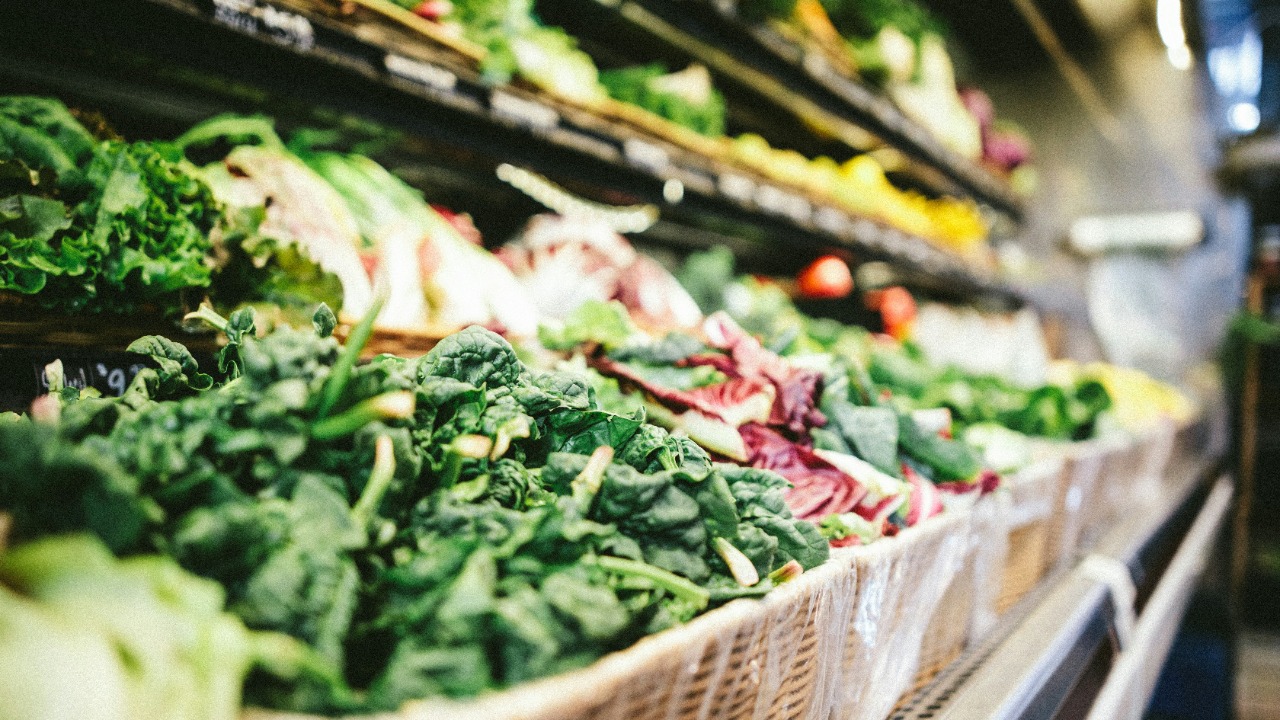
The produce aisle is forecast to get noticeably pricier this year. Fresh vegetable prices are headed for a 5.7% increase in 2026, according to the Food Price Outlook that USDA’s Economic Research Service released Sept. 25, more than double the 2.4% increase the agency projects for food at home overall. That gap puts fresh vegetables among the faster-moving categories in this year’s grocery forecast.
Inside the kit: It lays out the 5 kinds of property-tax relief along with an application log and renewal calendar for tracking filing windows, all part of The Senior Property Tax & Home-Cost Relief Kit. Track relief filing windows while vegetable prices climb 5.7% →
USDA’s 5.7% Forecast for Fresh Vegetables
USDA’s Food Price Outlook puts the fresh vegetable increase at 5.7% for 2026, with a forecast range of 4.3% to 7.2%. That range, nearly 3 percentage points wide, is broader than the range USDA gives for several other grocery categories this year, reflecting how much fresh vegetable prices can still shift based on growing conditions in the months ahead. Fresh vegetables are tracked separately from canned and frozen vegetables in USDA’s data, since the fresh category is far more exposed to weather, transportation costs and the length of the growing season than shelf-stable versions of the same crops.
Where USDA Draws the Fresh-Vegetable Line
USDA’s fresh vegetables category covers items sold unprocessed in the produce section, including staples such as tomatoes, lettuce, onions, potatoes, peppers and carrots, as distinct from the same crops sold canned, frozen or otherwise packaged, which USDA tracks under separate forecasts. That distinction matters for a household trying to manage the increase, since a recipe built around fresh tomatoes and lettuce is fully exposed to the 5.7% forecast, while the same meal built around canned tomatoes would fall under a different USDA category with its own separate price trend. Restaurants and grocery stores that rely heavily on fresh produce for salads, sides and produce displays are also more exposed to this specific forecast than a store or menu built around shelf-stable ingredients.
Why Produce Prices Swing More Than Packaged Goods
Fresh vegetables spoil quickly, which limits how long a grower, distributor or grocery store can hold inventory to wait out a price swing. A drought, an early frost or a heavy rain in a major growing region can cut supply within weeks, and because fresh produce cannot easily be stored the way canned or frozen vegetables can, that kind of shock shows up at the register faster than it would for a packaged item with a longer shelf life. Transportation also plays a larger role for fresh vegetables than for many other grocery categories, since produce often has to move from field to store within days to stay sellable, making its price more sensitive to fuel and trucking costs. A vegetable grown in one region and shipped nationwide depends on a longer, more weather-exposed supply chain than a packaged good manufactured in a climate-controlled plant, which is part of why USDA gives fresh vegetables one of the widest forecast ranges of any grocery category this year.
Double the Pace of the Overall Grocery Bill
At 5.7%, fresh vegetables are forecast to rise well above USDA’s 2.4% projection for food at home as a whole. That contrast is sharper than the gap the Bureau of Labor Statistics has measured for groceries broadly, where its Consumer Price Index showed food-at-home prices up only 2.2% over the 12 months ending in August 2026. A household that fills much of its cart with fresh produce, rather than canned, frozen or packaged alternatives, is likely to see a noticeably bigger increase than the overall grocery average suggests.
A Weekly Produce Run at 5.7% More
A household spending $35 a week on fresh vegetables would see that bill climb by roughly $2 a week at the 5.7% rate, or about $104 over a year, if buying habits and quantities stay the same. A household spending more, say $60 a week on fresh produce, would see the increase reach closer to $3.42 a week, or about $178 a year. Switching some purchases to canned or frozen vegetables, which are tracked in separate USDA categories and are not covered by this specific forecast, is one way a household could reduce its exposure to the fresh-vegetable increase specifically. A household of four eating vegetables at most meals, spending closer to $80 a week on fresh produce alone, would see the increase reach roughly $4.56 a week, or about $237 over the full year, making fresh vegetables one of the larger single-category increases in this year’s forecast for a household that cooks from scratch regularly.
Forces That Could Shift the 5.7% Estimate
Produce is a volatile line in USDA’s monthly forecasting series, and fresh vegetables are among the categories most likely to see the forecast shift between updates. A favorable growing season, lower fuel costs for transportation, or a break in severe weather in major vegetable-growing states could all pull the final 2026 number toward the low end of USDA’s 4.3% to 7.2% range, while the opposite conditions could push it higher.
A Produce Bill That Rises While Other Deadlines Wait
A steeper vegetable bill competes with the same household budget that also has to cover a property-tax bill on its own filing schedule, and a missed relief-program deadline does not get a second chance just because a grocery category happened to get more expensive that season.
The Senior Property Tax & Home-Cost Relief Kit lays out the 5 kinds of property-tax relief and the circuit-breaker credit that includes renters, so those filing windows don’t slip by unnoticed.
Look up the circuit-breaker credit rules in The Senior Property Tax & Home-Cost Relief Kit.
This article was produced with AI assistance and checked by a human editor against the Sept. 25 Food Price Outlook before publication.


