
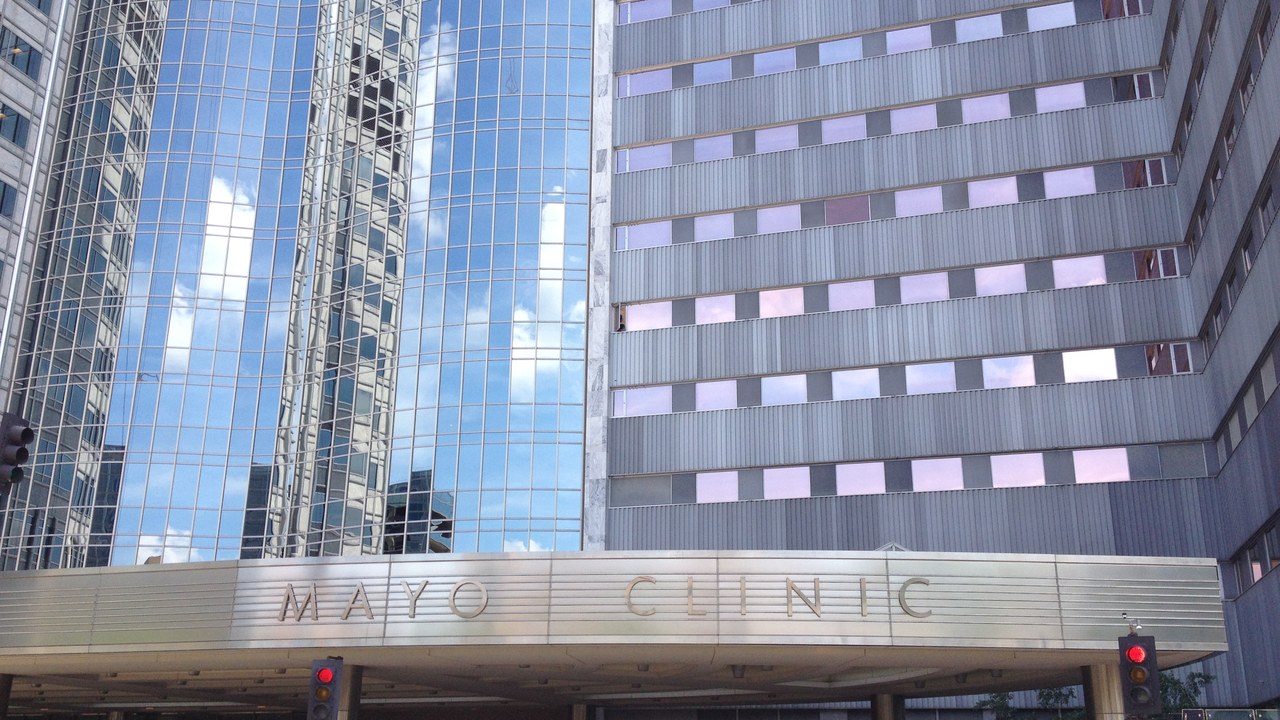
Mayo Clinic has agreed to pay $50,000 to settle a federal lawsuit accusing the health system of illegally denying a security guard’s request for a religious exemption from its COVID-19 vaccine mandate. The settlement, announced this week by the Equal Employment Opportunity Commission, closes a case that traces back to a vaccine policy Mayo put in place in October 2021. The consent decree covers more than money, requiring changes to how the health system handles future accommodation requests.
The Religious Accommodation Case Against Mayo Clinic
According to the EEOC’s press release, dated September 24, 2026, a security guard at Mayo’s Rochester, Minnesota campus sought a religious exemption from the mandatory COVID-19 vaccine policy the health system rolled out in October 2021. Mayo denied the request, and the EEOC says the employer’s stated reason was doubt about whether the guard’s religious beliefs were sincerely held, rather than any specific undue-hardship justification tied to the job itself. That denial became the basis of the commission’s lawsuit under Title VII of the Civil Rights Act, which requires an employer to accommodate an employee’s sincerely held religious belief unless doing so would create an undue hardship on the business.
A settlement that took years to resolve: The vaccine policy behind this case dates to October 2021, and the payout only arrived in September 2026, a reminder that a workplace dispute over pay or benefits can sit unresolved for a long time before any money moves. See the 2-month bank protection rule in The Bank Account & Debt Protection Kit.
What the EEOC’s Consent Decree Requires
Beyond the $50,000 payment, the consent decree the EEOC announced bars Mayo from denying religious accommodations to vaccination requirements going forward without showing undue hardship, and it prohibits retaliation against employees who ask for one. The decree also requires Mayo to adopt and affirm religious accommodation policies, train its human resources staff annually on handling accommodation requests, post a notice informing employees of their rights, and submit periodic compliance reports to the EEOC so the agency can track whether the health system follows through on each of those obligations. Those non-monetary terms typically outlast the settlement check itself, since a training and reporting requirement can run for several years under EEOC oversight even after the $50,000 payment has been made.
What Counts as a Sincerely Held Belief
The EEOC’s own overview of religious discrimination law explains that Title VII protects “sincerely held religious, ethical or moral beliefs,” covering people who belong to organized faiths as well as others whose convictions play a similar role in their lives. Once an employee makes that kind of request, the agency’s guidance says an employer and employee should engage in an interactive process to discuss it, and the employer must grant the accommodation unless it would cause a burden the law calls an undue hardship. The Supreme Court raised that bar in its 2023 decision in Groff v. DeJoy, holding that undue hardship means a burden substantial in the overall context of the employer’s business, not merely some added cost or inconvenience, a tougher standard than many employers had applied to accommodation requests before that ruling.
Why the EEOC Questioned Mayo’s Sincerity Test
Christopher Lage, the EEOC’s deputy general counsel, said in the agency’s release that “an employer should ordinarily assume that an employee’s request for religious accommodation is based on a sincerely held religious belief” absent objective reasons to inquire further. That statement points to the specific legal problem the EEOC identified in Mayo’s process: questioning the sincerity of a religious belief is treated very differently under federal law than assessing whether accommodating that belief would create a genuine hardship for the business, and the commission’s case turned on Mayo doing the former without adequate grounds rather than proving the latter, which is the harder standard the Groff decision now requires.
Jurisdiction and the Chicago District Office
The case was brought out of the EEOC’s Chicago District Office, which, according to the EEOC’s own field-office jurisdiction page, covers all of Minnesota, North Dakota, South Dakota, Iowa and Wisconsin, plus most of Illinois outside the counties a separate St. Louis office handles. Because Mayo’s Rochester campus sits in Minnesota, the case fell under Chicago’s authority even though the health system’s headquarters and much of its operations are concentrated there rather than in Illinois itself.
Cases like this one typically begin when an employee files a charge with the agency after an internal accommodation request is denied, and the EEOC investigates and attempts conciliation before deciding whether to pursue litigation against the employer. The roughly five-year gap between Mayo’s original October 2021 policy and this month’s settlement reflects how long that process, from charge to investigation to litigation to a signed consent decree, can run before it produces a resolution and a payment for the affected worker. A settlement announced in September 2026 over a policy adopted in 2021 is not unusual for EEOC litigation, which regularly spans several years between the incident that prompts a charge and the eventual decree, since the agency’s own investigation and required conciliation attempt happen before any lawsuit is even filed, adding time before litigation itself begins.
An EEOC Settlement and the Slow Path to a Payout
A federal accommodation case can take years between the original denial and a signed settlement, which means a worker in that position often has to manage bills and debts long before any payment arrives. Mayo’s case shows how far apart the underlying dispute and the eventual payout can land on a calendar.
The Bank Account & Debt Protection Kit covers the debt-validation steps for a collector’s letter and the frozen-account response for when a bank hold arrives at the wrong time.
See the protected-funds and dispute log in The Bank Account & Debt Protection Kit.
This article was produced with AI assistance and reviewed by a human editor. The settlement terms and quote above are linked to the EEOC’s own press release.


