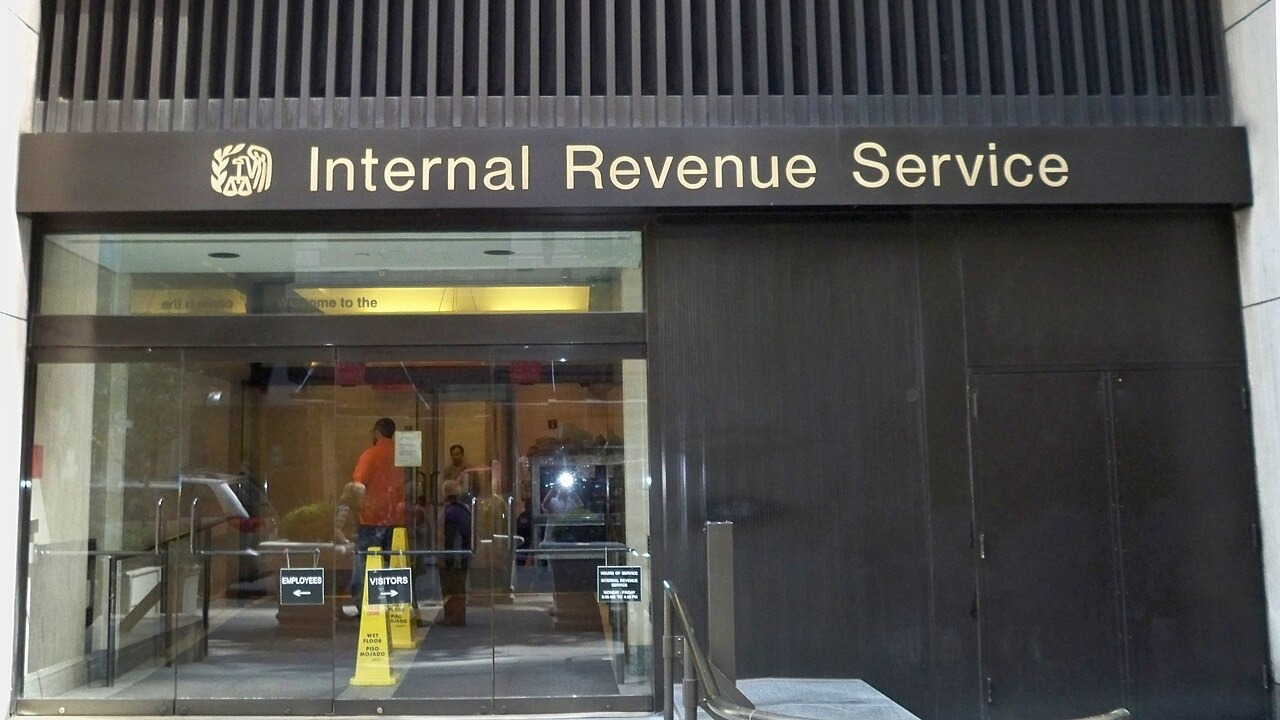
If you filed your taxes near the April deadline and you’re still waiting on money, you’ve probably typed “where’s my refund” into a search bar at least once by now. The good news: the IRS actually built a tool with that exact name, and it will tell you more than most people realize. The bad news: checking it five times a day won’t speed anything up, because it only updates once every 24 hours.
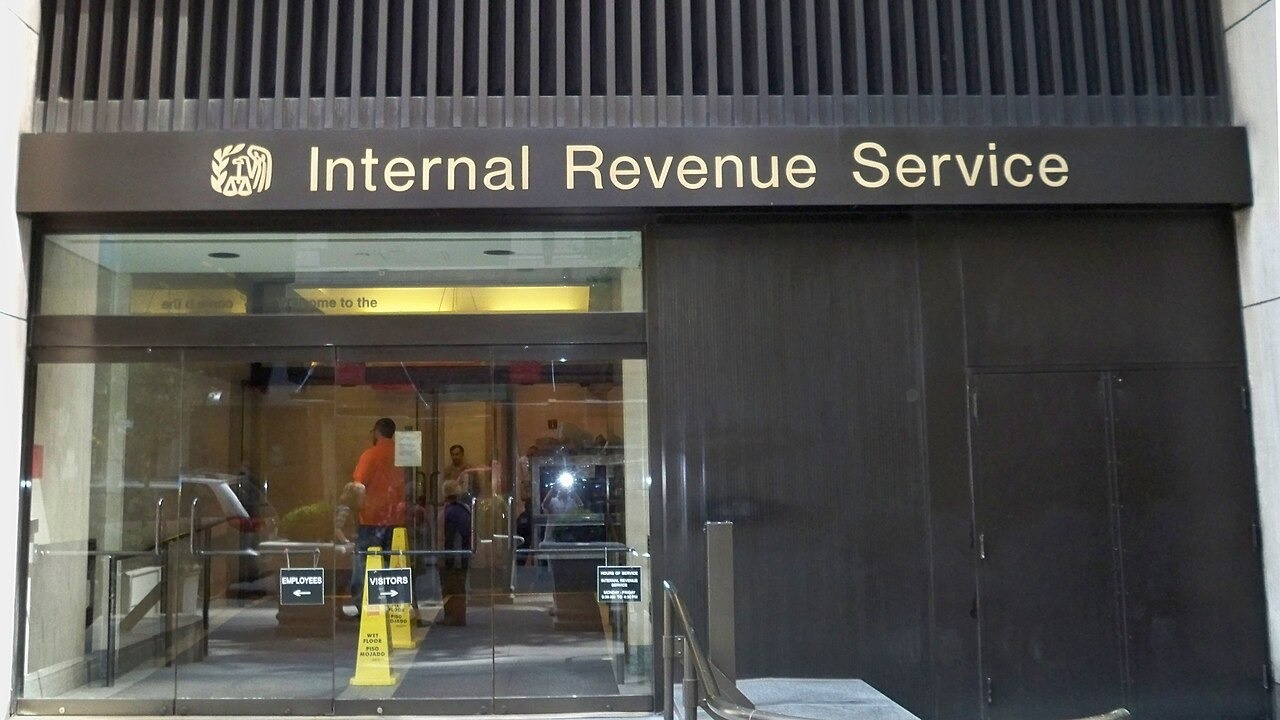
Here’s how the tracker really works, what each status means, and the specific moments when a slow refund stops being normal and becomes something you should act on.
What the tracker is and when it can see your return
The official tool lives at irs.gov/refunds, and the same information is available in the IRS2Go mobile app and on the automated refund hotline at 800-829-1954. All three pull from the same database, so you won’t get a different answer by calling.
Your status appears on a schedule the IRS publishes plainly: about 24 hours after you e-file a current-year return, around three days after you e-file a prior-year return, and roughly four weeks after you mail a paper return. That last one surprises people every year. A mailed return has to be opened, sorted, and typed into the system by a human before the tracker even knows you exist. If you mailed your return in mid-April and see nothing in early May, that’s not a problem; that’s the timeline.
To look up your refund without signing in, you need three things from your return: your Social Security number or ITIN, your filing status, and the exact refund amount in whole dollars. “Exact” matters. If you round or guess, the tool will tell you it can’t find your return even though everything is fine.

The three stages, translated
The tracker shows one of three stages, and each means something specific.
Return Received means the IRS has your return and is processing it. Nothing has been approved yet. Most returns sit in this stage for the bulk of the wait, and no news here is usually good news.
Refund Approved means the IRS has finished processing and signed off on the amount. Once you see this, the tool typically shows a personalized date for when the money will be sent.
Refund Sent means the money is on its way, either to your bank account by direct deposit or to your mailbox as a paper check. Direct deposits can take a few days to post depending on your bank. Paper checks can take several weeks to arrive by mail.
One quirk worth knowing: the system refreshes overnight, once a day. Checking in the morning after a refresh is the whole game. Refreshing the page at lunch, dinner, and midnight shows you the same data.
How long a normal refund takes
The IRS says the typical wait is about three weeks from the date you e-filed, and six weeks or more from the date the IRS received a mailed return. Those are typical times, not guarantees, and a handful of common situations stretch them out:
Returns claiming the Earned Income Tax Credit are held until at least mid-February by law, which mostly affects early filers. Returns with math errors or a missing signature get pulled for manual correction. Amended returns require the IRS to compare two versions of your filing side by side. And injured spouse relief requests are processed entirely by hand. None of these mean you did something wrong. They mean your return left the automated fast lane.
If your refund came back smaller than expected
Sometimes the tracker shows a refund sent, and the deposit that lands is smaller than the number on your return. That’s usually an offset. The Treasury’s Bureau of the Fiscal Service, which actually cuts refund payments, can legally reduce your refund to cover past-due federal taxes, child support, state income tax debts, or other government debts. If that happens, the bureau mails you a notice explaining which agency took the money and how to dispute it. The IRS itself won’t have the details, so don’t burn an afternoon on hold asking them.
The IRS may also adjust your refund upward or downward if it corrects an error on your return. In that case, you’ll get a letter explaining the change. Read it before you assume the worst; a surprising number of adjustments are in the taxpayer’s favor.
When waiting stops being the right move
There are three clear triggers for action. First, if it’s been more than 21 days since you e-filed (or six weeks since you mailed a paper return) and the tracker still shows nothing helpful, it’s reasonable to call the IRS at 800-829-1040. Second, if the tool itself tells you to contact the IRS, do it; that message only appears when the agency actually needs something from you. Third, if the tracker says your refund was sent more than four weeks ago and nothing has arrived, you can start a refund trace, either through the tracker itself or on the hotline. If the original check was never cashed, the IRS cancels it and mails a new one.
Married couples who filed jointly have to request a trace by phone or by mailing Form 3911, the Taxpayer Statement Regarding Refund.
Amended returns have their own tracker
If you fixed a mistake by filing Form 1040-X, don’t look for it in the regular refund tool. Amended returns show up in a separate tracker, Where’s My Amended Return, and they move on a much slower clock. It can take a few weeks for an amended return to appear in the system at all, and processing routinely runs several months. If your amended refund is the money you’re waiting on, set your expectations accordingly and check monthly, not daily.
The bottom line for late-season filers: the tracker is trustworthy, it’s just not fast. Give an e-filed return three weeks and a mailed one six before you spend any energy worrying, and when the tool finally tells you to do something, that’s the one message worth acting on the same day.
This article was produced with AI assistance and reviewed by a human editor. Figures are linked to their primary sources; where a claim could not be verified from the public record, we say so.