
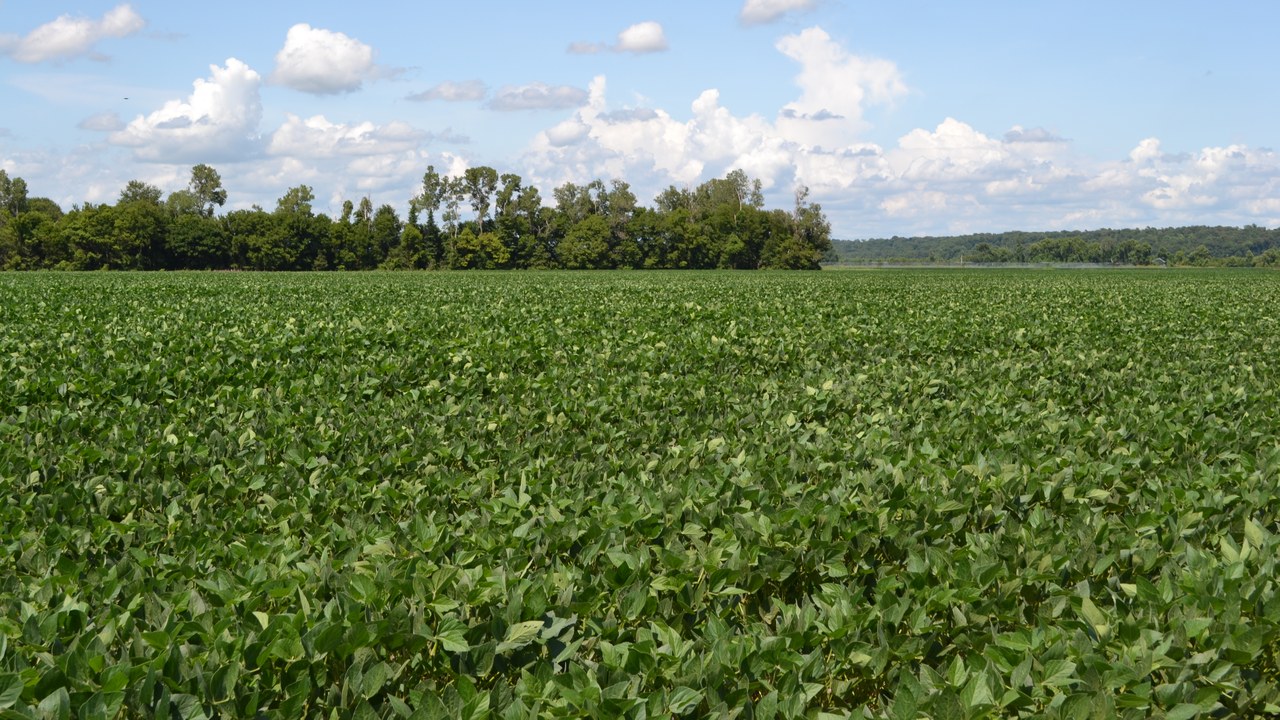
China is more than halfway toward buying the 25 million tons of U.S. soybeans it committed to under its trade agreement with the Trump administration, with purchases accelerating in the weeks before the September 24, 2026 Trump-Xi summit in Washington. A separate, broader pledge covering at least $17 billion in additional U.S. farm purchases has largely stalled, according to data cited from the U.S. Department of Agriculture. The gap between the two tracks means American soybean farmers are seeing the trade deal show up in their sales ledgers well before corn, wheat and other growers are.
25 million tons, and how close China has come
China’s soybean commitment runs at roughly 25 million metric tons a year through 2028, according to an S&P Global Platts analysis of the arrangement. As of September 21, 2026, China was “more than halfway” to that year’s target, with purchases picking up pace after an earlier meeting between the two governments in May and China booking at least four more cargoes of U.S. soybeans the week before, according to a report citing U.S. Department of Agriculture Foreign Agricultural Service export data. A separate analysis from Saxo Bank of the Washington summit itself put it more simply: “China was meeting its commitment to buy 25 million tonnes of US soybeans.”
An earlier snapshot from the American Soybean Association, in a letter its president, Scott Metzger, sent to President Trump on September 17, 2026, put Chinese buyers’ orders at 15.5 million metric tons as of September 11, compared with just 3.7 million metric tons at the same point the year before, a more than fourfold increase year over year. Metzger’s letter described the underlying target the same way the summit-week reporting later would: “at least 25 MMT of U.S. soybeans for this marketing year, as well as in each of the next two years.”
One purchase target on track, another one waiting: China’s soybean buying shows how a specific, tracked commitment moves faster than a vaguer one. Property-tax and utility relief work the same way: a household that tracks its own filing windows claims relief a vague awareness of “some program out there” never does. See the 5 kinds of relief and the application log built to track them in The Senior Property Tax & Home-Cost Relief Kit.
The broader $17 billion pledge that has stalled
Soybeans are only part of the trade commitment China made. A separate pledge covering at least $17 billion in additional annual U.S. farm purchases, prorated through 2028, has “largely stalled,” with progress depending on whether tariff barriers continue easing, according to the report citing the Agriculture Department’s export data. The same USDA data showed zero logged U.S. sales of corn or wheat to China for the 2026-27 marketing year as of the report’s publication, meaning two of the country’s largest export crops have not benefited from the trade truce the way soybeans have.
That gap matters for farm income broadly. Soybean sales moving forward while corn and wheat sales stay at zero means the trade deal’s benefit, so far, is concentrated in one crop rather than spread across the farm economy the broader $17 billion figure was meant to cover.
What officials have said about the progress
Treasury Secretary Scott Bessent described the broader U.S.-China trade discussions as “very successful” ahead of the summit, according to the report citing USDA data, a characterization that lines up with the soybean progress specifically but does not address the stalled corn and wheat numbers directly. The White House did not respond to a request for comment included in the same report. Neither Bessent nor the White House has published a public accounting that separates soybean purchases from the broader $17 billion agricultural pledge in the way the underlying trade data does.
What the soybean growers’ own group asked for
Metzger’s letter, sent a week before the Washington summit, asked the administration for three specific things: keep soybeans off any list of goods subject to new trade restrictions, eliminate a 10 percent Chinese retaliatory duty that applies to U.S. soybeans but not to competing Brazilian shipments, and prevent expiring Section 301 port fees from disrupting shipping in a way that, the letter warned, could be “passed down to farmers.” That 10 percent duty sits inside the roughly 13 percent combined rate the S&P Global Platts analysis described, with the remaining 3 percentage points applying to Brazilian soybeans as well, meaning Chinese buyers still pay more for the American crop than for Brazil’s even as they work through the 25-million-ton commitment.
Neither the summit itself nor the reporting on it addressed whether the retaliatory duty Metzger’s group asked to eliminate was actually removed, only that the broader truce framework was extended.
Why soybeans moved first
Soybeans have been the most closely watched crop in the U.S.-China trade relationship for years, since China is the single largest foreign buyer of the American crop and soybean purchases have featured in prior rounds of trade negotiations between the two countries. That history, combined with a specific tonnage target both governments could point to, appears to be part of why soybean purchases moved faster than the broader, less precisely defined agricultural pledge. Corn and wheat sales to China depend on additional factors beyond the trade truce itself, including China’s own domestic harvest and stockpile levels, neither of which the sources reviewed for this article addressed directly.
A tracked farm-purchase target, and a relief program nobody is tracking
Soybean purchases moved because there was a specific number attached to them and a way to check progress against it. The broader farm pledge stalled partly because it lacks that same specificity. Property-tax and utility relief programs sit closer to the second category for most households: real money, but no automatic tracker keeping score.
The Senior Property Tax & Home-Cost Relief Kit lays out the 5 kinds of property-tax relief and pairs an application log with a renewal calendar, giving a household the same kind of concrete target China’s soybean commitment has.
Read how the application log tracks each filing in The Senior Property Tax & Home-Cost Relief Kit.
This article was produced with AI assistance and reviewed by a human editor. Figures are linked to the sources reviewed for this article.


