
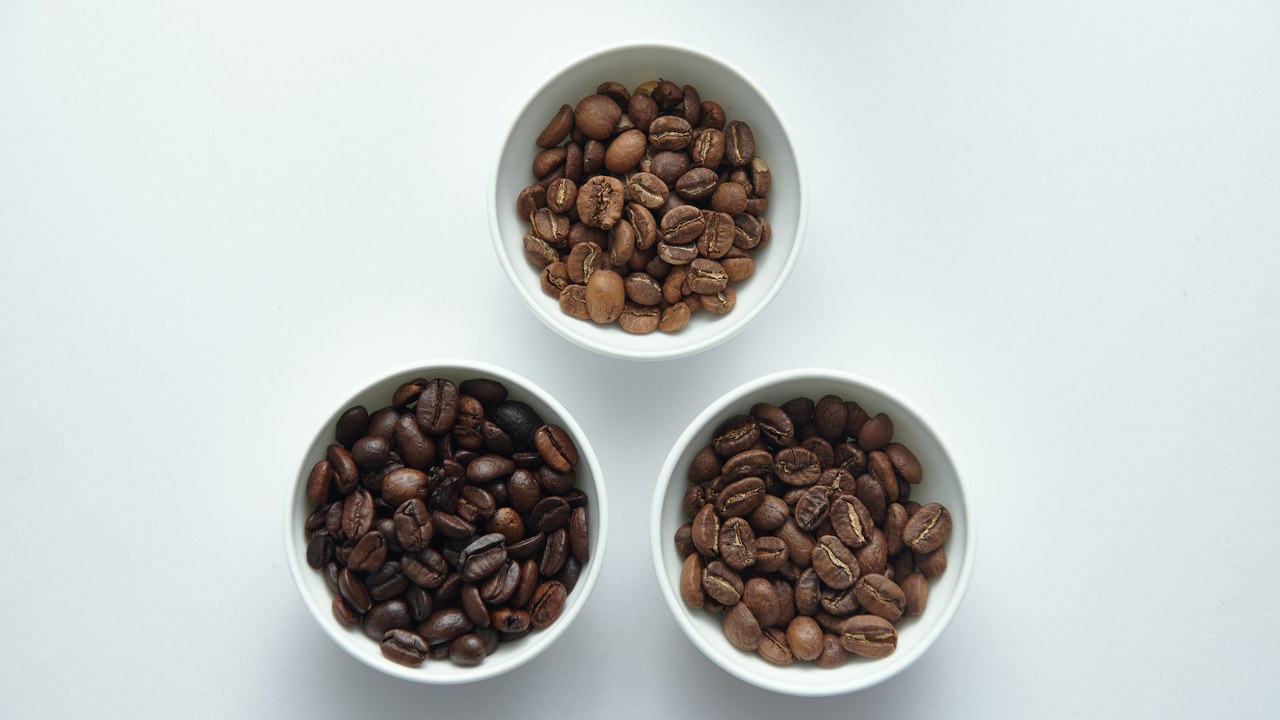
Two pantry staples got cheaper at Costco at the same time. Kirkland Signature Colombian whole bean coffee fell to $19.99 from $21.99, and Kirkland Signature coarse black pepper fell to $5.99 from $6.99, both disclosed as part of the fourth-quarter results Costco reported on September 24, 2026. The two cuts arrived alongside reductions on two other Kirkland Signature items during a quarter in which the warehouse chain’s sales grew faster than they have in several years.
Coffee and pepper inside a four-item list
Chief Financial Officer Gary Millerchip named the coffee and pepper reductions while walking analysts through comparable sales and margin trends for the 16 weeks that ended August 30, 2026. He listed them alongside Kirkland Signature walnuts, which fell from $13.79 to $9.99, and Kirkland Signature dry facial towels, which fell from $19.99 to $18.99, according to an Investing.com summary of the earnings slides. Coffee and pepper were the only two of the four reductions on items shoppers buy repeatedly rather than occasionally, which is part of why the two land differently in a weekly grocery budget than a one-time purchase like facial towels does.
Millerchip did not say how many ounces are in the containers carrying the new prices or how the per-unit cost compares with a year earlier, only the shelf-price change itself. He also did not say whether Costco expects coffee-bean or black-pepper input costs to keep falling, or whether the new prices are locked in through the next fiscal year. The pepper cut, at a dollar off a $6.99 item, is proportionally the steeper of the two reductions, working out to roughly 14 percent, against roughly 9 percent for the coffee.
Both items carry the Kirkland Signature label, the store brand Costco has built up over more than two decades and now uses across categories from coffee and spices to tires and eyewear. Costco does not break out Kirkland Signature sales separately from its overall net sales figures in the earnings materials reviewed for this article, so it is not possible to say from the release alone how much of the quarter’s comparable-sales growth came from private-label items specifically.
Two things worth comparing side by side: The Senior Property Tax & Home-Cost Relief Kit lays out the circuit-breaker credit that includes renters alongside help with heating and cooling costs, the recurring household bills that do not show up on a grocery receipt the way a coffee-price cut does. Open The Senior Property Tax & Home-Cost Relief Kit to see both laid out together.
Why the CEO called it “everyday items”
Chief Executive Officer Ron Vachris told analysts the company is spending part of the tariff refunds it has started receiving on lower prices, and he was specific about where. The reinvestment ran “predominantly through price reductions on a number of items … including everyday items in produce, meat and beverages,” he said, according to a transcript of the call. Coffee counts as a beverage in that framing, and while black pepper falls outside produce, meat or beverages narrowly defined, both cuts fit the pattern Vachris described: staple items bought on a recurring basis rather than seasonal or discretionary goods.
Vachris and Millerchip did not say whether the coffee and pepper reductions are permanent or whether Costco plans to revisit prices again once its tariff-refund accounting for the new fiscal year is further along. Neither executive named additional items beyond the four Millerchip listed.
A quarter strong enough to absorb the cuts
The price reductions came during a quarter Costco reported as one of its strongest in years. Net sales for the fourth quarter alone rose 11.2 percent to $93.9 billion, and comparable sales rose 9.4 percent, or 6.7 percent once gasoline prices and currency swings are stripped out, according to Costco’s own fourth-quarter earnings release. Digitally-enabled sales, which cover Costco’s website and app, grew 19.5 percent for the quarter, well ahead of the warehouse-floor pace. For the full fiscal year, the company reported net income of $9.226 billion on total revenue of $303.154 billion, up from the prior year.
That backdrop matters because grocery and sundries margins at a membership warehouse chain are thin by design; Costco has long said it relies on membership fees, not markup on individual items, for most of its profit. A double-digit sales quarter gives a retailer more room to trim specific prices without the cut showing up in its overall numbers the way it might at a chain running on thinner sales growth.
The growth was not evenly spread. U.S. comparable sales rose 10.7 percent for the quarter, Canada rose 5.0 percent, and other international markets rose 7.0 percent, all before adjusting for gasoline and currency, according to the earnings release. Coffee and pepper prices at U.S. warehouses are the ones reflected in the $19.99 and $5.99 figures Millerchip cited; Costco did not say whether the same items carry different prices, or different-sized cuts, at its Canadian or international locations.
What the earnings slides did and did not explain
The slide deck Millerchip referenced during the call listed the four price changes as bullet points alongside broader sales and membership metrics, without a separate section explaining the pricing decision the way a press release aimed at consumers might. Costco has not issued a standalone statement about the coffee or pepper prices beyond what was said on the call, and the company’s press office was not quoted with additional detail beyond the transcript in the sources reviewed for this article.
Coffee and pepper get cheaper; the property-tax bill does not adjust itself
A grocery aisle re-prices itself every quarter, and shoppers see the new number the next time they scan a receipt. Property-tax bills and utility costs move on a much slower, far less visible schedule, and the relief programs meant to soften them rarely apply automatically the way a lower shelf price does.
The Senior Property Tax & Home-Cost Relief Kit covers the circuit-breaker credit that includes renters and pairs it with help with heating, cooling and home-repair costs, the kind of recurring expense that keeps climbing regardless of what happens to coffee.
Look up the utility-bill help in The Senior Property Tax & Home-Cost Relief Kit.
This article was produced with AI assistance and reviewed by a human editor. Prices are linked to Costco’s own earnings materials.


