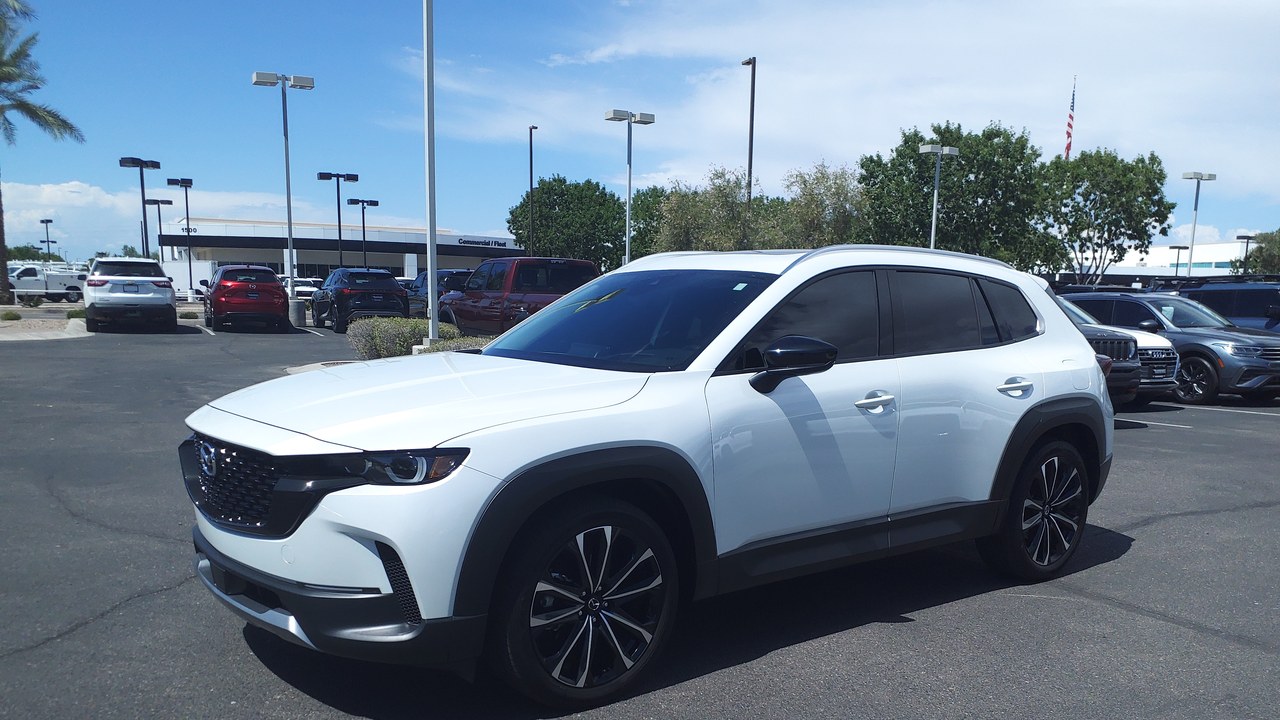
A parts shortage at one automaker and a discontinued model at another quietly reshaped which small SUV sold the most in August. Compact SUVs, long one of the new-vehicle market’s most competitive segments, averaged $37,722 during the month — the slowest price growth of any of the industry’s top five segments, and a sign of just how much supply, not only demand, is shaping the numbers this year.
That price sat well below the industry’s overall average, but the segment’s story in August was less about the number itself than about losing ground to a close rival for the title of best-selling segment of the month.
August’s number for compact SUVs
The average compact SUV sold for $37,722 in August, Kelley Blue Book reported, up just 1.1% from a year earlier. Among the five segments that made up the bulk of August sales, that was the smallest year-over-year increase, trailing subcompact SUVs, full-size pickup trucks, midsize SUVs and compact cars alike. The industry-wide average transaction price, by contrast, rose 1.9% over the same period to $50,089, meaning compact SUVs grew more slowly than the market they are part of.
Where compact SUV shoppers still have paperwork to track: Compact SUV pricing moved only slightly this year, but the property-tax and utility paperwork attached to the home a buyer parks it at does not track itself. The application log and renewal calendar in The Senior Property Tax & Home-Cost Relief Kit keeps that paperwork from getting lost in the shuffle.
Why compact SUVs slipped behind midsize SUVs this year
Kelley Blue Book pointed to supply constraints as a key reason compact SUVs lost their usual sales lead. Inventory shortages affecting the Toyota RAV4, one of the segment’s highest-volume models, combined with the discontinuation of the Ford Escape to open room for midsize SUVs to pass compact SUVs as the best-selling segment in August. A separate Cox Automotive inventory report for the same month found Toyota carrying just 33 days of supply industry-wide, the tightest of any major automaker and roughly half the market’s overall 73-day average, a shortage broad enough to touch a high-volume nameplate like the RAV4. Midsize SUVs averaged $50,315, up 1.6% year over year — a higher price than compact SUVs but now the stronger seller, a reversal that has more to do with which vehicles were sitting on dealer lots than with which segment shoppers actually preferred. Together, the two SUV segments still accounted for a large share of the top five segments that made up 65.1% of all August sales, alongside subcompact SUVs, full-size pickup trucks and compact cars.
How the compact SUV price sits across the broader lineup
At $37,722, a compact SUV cost roughly $9,700 more than a compact car, which averaged $27,997 in August, and about $12,400 less than the industry-wide average transaction price of $50,089. It remained far below full-size pickup trucks, which averaged $67,446, and below subcompact SUVs’ smaller sibling segment at $31,149. That position — cheaper than the market average but not the cheapest option available — has made compact SUVs a longtime middle ground for buyers weighing space against price, even in a month when supply problems, not price, drove the bigger story. Average MSRP across the industry, the sticker figure before any discount, climbed to $51,852 in August, up 2.2% year over year — a faster pace of increase than compact SUVs saw at the transaction-price level, suggesting incentives cushioned the segment’s price growth more than they did for the market overall. The government’s broader new-vehicles index, which covers every segment together rather than compact SUVs alone, rose 0.6% over the year through August in the Bureau of Labor Statistics’ detailed CPI tables — a reminder that compact SUVs’ 1.1% gain sat closer to that broad government reading than the market’s faster-moving dollar-figure average did.
What the broader market data says about that middle ground
Erin Keating, Cox Automotive’s executive analyst, tied the wider affordability pressure evident across the report to household finances, pointing to average incentive spending falling to 6.5% of the transaction price in August, down from 7.2% a year earlier, as evidence dealers have less room to discount across every segment, compact SUVs included. Cox Automotive’s third-quarter Dealer Sentiment Index similarly found dealers reporting manageable inventory and reduced pricing pressure overall, even as individual models like the RAV4 remained constrained. Subcompact SUVs, the smaller and cheaper category, posted the strongest year-over-year gain of the top five segments at 2.2%, averaging $31,149 — a reminder that even within the SUV body style, the cheapest option grew fastest while compact SUVs, sitting one rung higher, grew the slowest of all. Financing adds a cost the transaction price alone does not show: the Federal Reserve’s G.19 consumer credit report put the average new-vehicle loan rate through a finance company at 6.3% in June 2026, a rate that applies to a $37,722 compact SUV the same way it applies to any other segment.
A Supply Story at the Dealership, a Paperwork Story at Home
Kelley Blue Book’s August data found compact SUVs posting the slowest transaction-price growth of the top five segments, even as inventory shifts pushed midsize SUVs past them in sales. The unfinished task for a household weighing that purchase is figuring out which other home costs still have room to shrink.
The Senior Property Tax & Home-Cost Relief Kit lays out the circuit-breaker credit that includes renters and help with heating, cooling and home-repair costs, for comparing which relief programs actually apply.
Open the circuit-breaker credit and home-repair help in The Senior Property Tax & Home-Cost Relief Kit.
This article was produced with AI assistance and reviewed by a human editor. Figures are linked to their primary sources.