
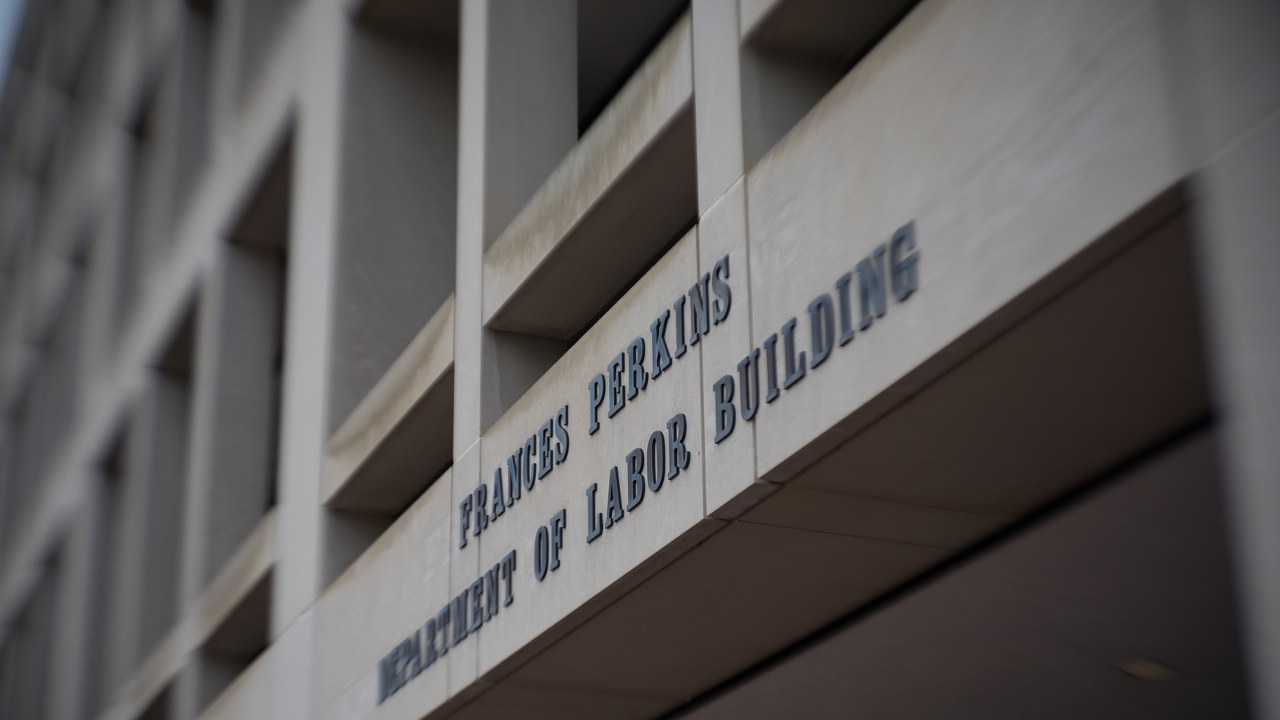
The U.S. Department of Labor has recovered $732,976 in back wages for 31 workers at a Pompano Beach seafood buffet after finding the owner failed to pay minimum wage and overtime. The employer, Lucky King LLC, operates Miyako Japanese Buffet in Broward County. The department announced the recovery on September 3, 2026, saying most employees were paid flat monthly salaries of $1,000 to $3,000 even though they typically worked more than 40 hours a week.
How a monthly salary left 31 workers short
According to the Labor Department announcement, investigators from the Wage and Hour Division found that Lucky King LLC paid most of its restaurant staff a fixed monthly amount rather than tracking and paying for the hours they actually worked. Because employees regularly worked beyond 40 hours in a workweek, the flat salary did not cover the overtime premium federal law requires. Investigators also determined the employer failed to pay the minimum wage for all hours worked and failed to keep the records federal regulations require. The department said each of those practices violated the Fair Labor Standards Act.
Simple arithmetic shows how quickly a low monthly salary can fall under the legal floor. A $1,000 monthly salary works out to roughly $230 a week. Spread across a 40-hour week, that is about $5.77 an hour, below the $7.25 federal minimum wage before a single overtime hour is counted. For employees who worked longer weeks, the effective hourly rate falls further.
The $732,976 will be distributed among the 31 workers identified in the investigation. WLRN, the South Florida public broadcaster, reported the case on September 8, noting the recovery amounted to almost three-quarters of a million dollars for the Pompano Beach workforce.
When back pay lands in a bank account. A large back-wage check deserves a clear paper trail showing where the money came from and why, especially if any account has faced a garnishment or freeze. The protected-funds and dispute log in The Bank Account & Debt Protection Kit gives that deposit history a single, organized home.
What federal wage law requires of restaurant employers
The Fair Labor Standards Act requires covered employers to pay nonexempt employees at least the federal minimum wage for every hour worked and overtime at one and one-half times the regular rate of pay for hours over 40 in a workweek. Being paid by salary does not, by itself, make a worker exempt. Exemptions depend on the job’s duties and on salary thresholds, and typical restaurant jobs such as cooks, servers, dishwashers and buffet attendants generally do not qualify.
When a worker is paid a salary but is not exempt, the employer must convert that salary into a regular hourly rate and pay the overtime premium on top of it. That calculation is only possible when hours are tracked. Federal recordkeeping rules require employers to keep records for each covered employee, including identifying details, hours worked each day and week, and wages earned. The department said Miyako Japanese Buffet did not keep those records.
Workers paid by the month face a particular risk because the paycheck looks the same whether the month included 160 hours or 240. Without a time record, there is no easy way for an employee to see that the pay no longer covers the hours.
Florida’s minimum wage rises to $15 on September 30
Florida workers are also protected by a state minimum wage that is well above the federal rate. According to FloridaCommerce, the state minimum wage has been $14.00 an hour since September 30, 2025. Under a constitutional amendment approved by voters on November 3, 2020, it rises by $1.00 again on September 30, 2026, reaching $15.00 an hour. That increase takes effect one week after the Pompano Beach recovery became public.
When state and federal minimums differ, workers are entitled to the higher rate. That matters for older Floridians who work part time in restaurants, retail or hospitality to supplement Social Security or a pension. A flat weekly or monthly amount that looked acceptable a year ago may fall short once the new rate applies, and the gap grows with every extra hour on the schedule.
Wages also feed into long-term retirement income. The wages an employer reports are the basis of a worker’s Social Security earnings history, which is used to calculate future benefits. Pay that is never reported, or hours that are never paid, do not show up in that history. Older workers who are still building their earnings record, or who are working while collecting benefits, have extra reason to make sure every hour is paid and recorded.
How workers can check for money owed and ask questions
The recovery in this case applies to the 31 workers identified by investigators. It is not an open claims program, and no one outside that group can sign up for a share. There is also no fee to receive back wages collected by the Wage and Hour Division, so any caller or website asking for payment to release those funds should be treated with suspicion.
The division runs a free online search tool, Workers Owed Wages, where people can check whether the agency is holding back wages it collected on their behalf. Workers and employers can also call the division’s toll-free helpline at 866-4US-WAGE (487-9243) with questions, and complaints are confidential. The Wage and Hour Division is led by Administrator Andrew Rogers.
Timing matters. Federal wage claims generally must be pursued within two years of the violation, or three years if the violation was willful, so unpaid hours from years past can eventually become unrecoverable. The department also offers a free timesheet app for iOS and Android devices that lets workers log their own hours and pay. A worker’s own log does not settle a dispute on its own, but it gives investigators a starting point when an employer’s records are missing, as they were at Miyako Japanese Buffet.
For employers, the department points to industry-specific compliance toolkits and its PAID program, which allows businesses to self-report and resolve potential minimum wage and overtime violations. For workers, the practical lesson from Pompano Beach is straightforward: a steady salary is not proof of full pay. Keeping pay stubs, schedules and personal notes of hours worked in one place makes it far easier to spot a shortfall early.
Protecting a paycheck after a wage dispute
A wage case like this one can leave a worker juggling pay stubs, bank deposits and, sometimes, a creditor or collector at the same time. Keeping those threads separate and documented matters most when money finally arrives.
The Bank Account & Debt Protection Kit includes a protected-funds and dispute log for tracking deposits and disputes, plus the frozen-account response and the debt-validation steps for handling collector pressure while a pay issue is being sorted out.
Start the deposit log in The Bank Account & Debt Protection Kit.
This article was prepared with AI assistance and reviewed against the linked official sources.


