
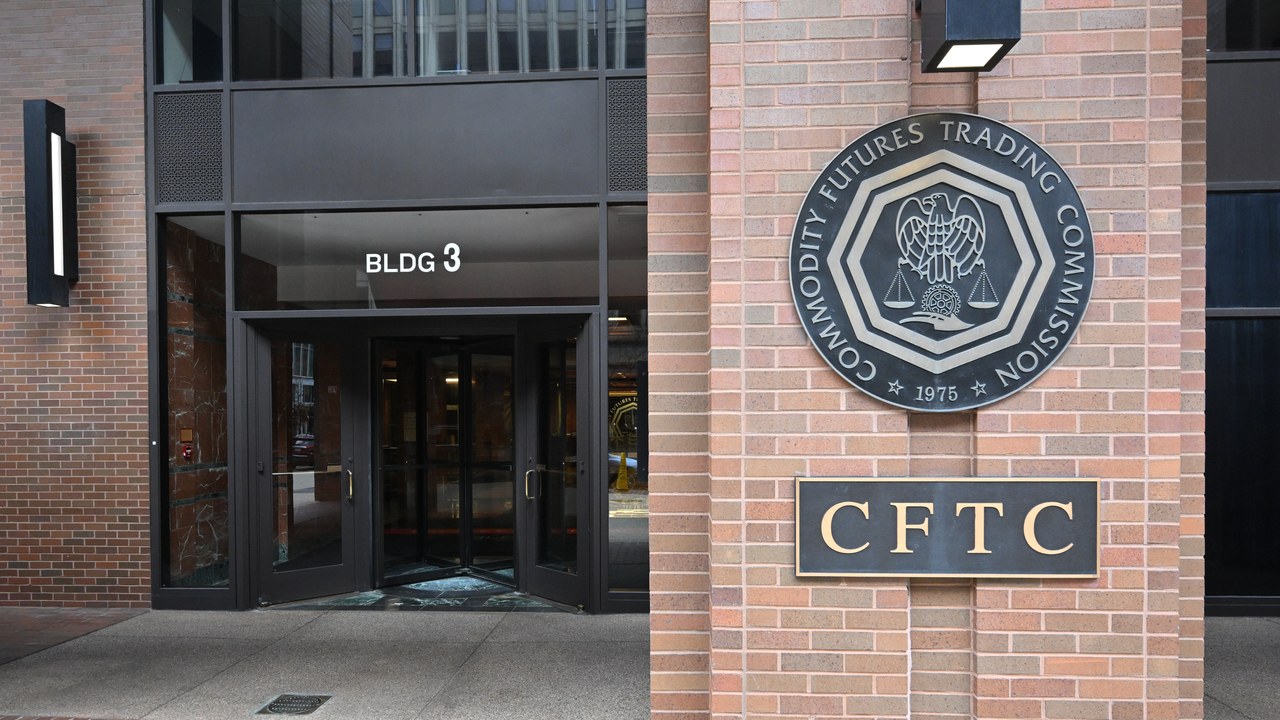
The Commodity Futures Trading Commission has granted 10 whistleblower awards totaling more than $150 million, all in final determinations issued between July and September 2026. The agency announced the awards on September 14 and said they recognize people whose original information led the CFTC and other authorities to successful enforcement actions. As required by law, the commission did not name the whistleblowers, the cases involved or the size of any single award.
Ten awards, more than $150 million
In Release 9298-26, the CFTC said the 10 final award determinations were issued over roughly three months and together exceed $150 million. The figure is a combined total. The agency did not break it down by recipient, and it cannot be divided evenly to estimate what any one person received.
Three senior officials spoke to the awards. David Miller, director of the CFTC’s Division of Enforcement, said, “Awards such as these incentivize others to come forward with information about misconduct in our markets, which in turn contributes to the success of our enforcement program.” Raagnee Beri, director of the Whistleblower Office, said the number and size of the awards “demonstrate that the Commission is committed to rewarding whistleblowers who play a critical role in the Commission’s efforts to deter and prevent disruptions to our markets.”
General Counsel Tyler Badgley said the program “is having a record year under new leadership.” He added that, “despite inheriting a substantial backlog, the newly invigorated Whistleblower Office has moved to promptly and efficiently process awards for whistleblowers and will continue to do so in the upcoming year.”
When a market-fraud story reaches a household: Whistleblower tips come from insiders, but the people harmed by commodity fraud are often ordinary investors who need to document what happened to their own accounts. A first-hour recovery plan and a fraud evidence and report log for that work are in The Senior Fraud Defense & First-Hour Recovery Kit.
How the CFTC whistleblower program pays
The program was created by Section 748 of the Dodd-Frank Wall Street Reform and Consumer Protection Act of 2010. The CFTC said that since its first award in 2014, it has paid more than $580 million to whistleblowers, tied to enforcement actions that produced more than $5.1 billion in monetary sanctions.
Eligible whistleblowers may receive between 10% and 30% of the monetary sanctions collected. According to the program overview on Whistleblower.gov, awards are available when a tip leads to, or significantly contributes to, a CFTC action that results in more than $1 million in sanctions. The commission can also pay awards based on sanctions collected in related actions brought by other domestic or foreign regulators.
All awards are paid from the CFTC’s Customer Protection Fund, which Congress established and which is funded entirely by sanctions paid by violators of the Commodity Exchange Act. The CFTC stated that no money is taken or withheld from harmed customers to fund the program. That point matters for investors who lost money in a fraud: an award to an informant does not reduce any restitution a court orders for victims.
Why the whistleblowers stay anonymous
The Commodity Exchange Act gives whistleblowers confidentiality protections. Whether or not it pays an award, the CFTC said it does not disclose information that could reasonably be expected to reveal a whistleblower’s identity, except in limited circumstances. For that reason the agency also withholds the specific enforcement action and the exact amount of each award.
The CFTC’s whistleblower protections page describes those limits, such as disclosure required to a defendant in a public proceeding, and it also lays out anti-retaliation rules. Employers may not impede workers from contacting CFTC staff, including by enforcing confidentiality agreements, and may not fire, demote, suspend, threaten or harass an employee for reporting possible violations. A whistleblower who faces retaliation may sue in federal court within two years of the retaliatory act and may be entitled to reinstatement, back pay and attorney’s fees.
Because the program keeps names confidential, any phone call, text or email that claims to know who received one of these awards, or that asks for personal information to “release” a CFTC payment, is not connected to this announcement.
Filing a tip and applying for an award
Anyone with information about potential violations of commodity laws or CFTC rules can file a Form TCR, short for Tip, Complaint or Referral, online, by fax or by mail. To count as voluntary, the information must reach the CFTC before the agency or another regulator asks for it. It must also be original, meaning it comes from a person’s own knowledge or analysis and is not already known to the commission.
A tip alone does not produce an award. The CFTC posts a Notice of Covered Action when a qualifying case closes, and a whistleblower must then submit Form WB-APP within 90 days, or within 90 days of a judgment or settlement in a related action. Claims Review Staff issue a preliminary determination, and the commission issues a final determination like the 10 announced in September. The CFTC Whistleblower Office hotline is (866) 873-5675.
What the awards mean for older investors
The CFTC oversees futures, options and swaps markets, the same markets fraudsters invoke when they pitch gold, oil, foreign currency or digital-asset trading schemes to retirees. Tips from insiders are one of the ways such schemes are uncovered, and the CFTC’s description of these awards credits whistleblowers with helping bring successful cases.
For someone who lost money, however, a whistleblower award is not a refund. Victims are repaid, if at all, through restitution or other court-ordered distributions in the underlying case, and those are handled separately. The September announcement lists no victim claims process, application form or deadline for the public. Retirees who suspect fraud in a trading account can report it through the CFTC’s tip portal at no cost; a legitimate government program does not charge a fee to file.
An award announcement is not a recovery plan
Informants can be paid years after a fraud, while the investors who lost money still have to act on their own accounts right away. A dated trail of messages, transfers and reports is what gives a complaint to a regulator weight.
The Senior Fraud Defense & First-Hour Recovery Kit includes the free credit-freeze steps and the family code word alongside a fraud evidence and report log, so account protection and documentation happen together after a suspicious pitch.
Keep that trail in order with The Senior Fraud Defense & First-Hour Recovery Kit.
This article was prepared with AI assistance and reviewed against the linked official sources.


