
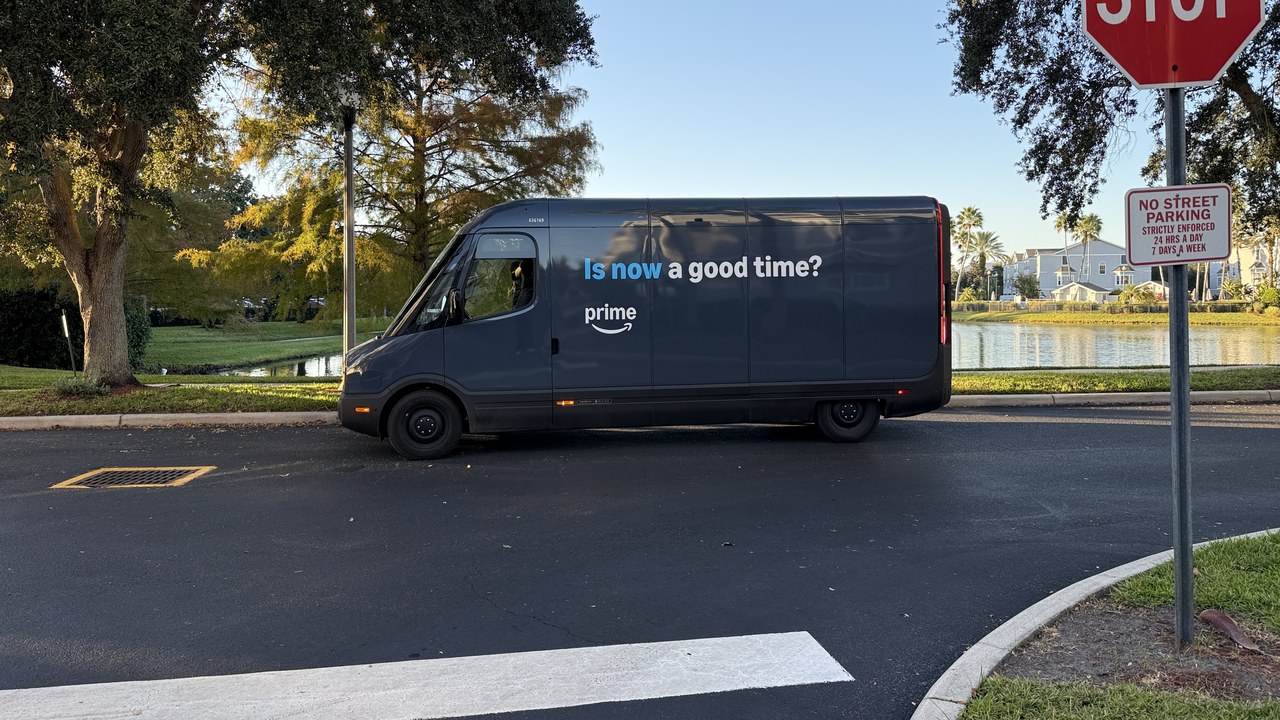
Amazon will begin sending automatic Prime refunds on October 1, 2026, to millions of additional customers who used between 11 and 20 Prime benefits in a one-year period, the Federal Trade Commission said September 17. A federal court approved a revised order in the FTC’s 2025 Prime settlement that widens eligibility, raises the maximum payment from $51 to $200 and makes every remaining payment automatic. No claim form is required.
Who qualifies under the revised order
The original settlement limited refunds of up to $51 to Prime members who used fewer than 10 Prime benefits during a one-year period. According to the FTC’s announcement, Amazon will now issue automatic redress to millions of additional customers who used between 11 and 20 benefits in a year. Those customers were left out of the earlier payment rounds.
The FTC’s Amazon refund page lists three requirements. A person must be a Prime customer in the United States. Between June 23, 2019, and June 23, 2025, the person must have either signed up through one of the “challenged enrollment flows” or tried to cancel online and been unable to. And the person must have used no more than 20 Prime benefits, including free Prime Video or Prime Music content, in any 12-month period after enrolling.
The challenged enrollment flows are the universal Prime decision page, the shipping selection page, single-page checkout and the Prime Video sign-up process. Amazon’s own account data determines who meets the test.
A Prime refund with a 60-day clock: Automatic payments still expire if they are not accepted, and the date a check or PayPal notice is issued is the one to watch. The four-date rule for reading a settlement notice is explained in The Settlement & Refund Recovery System.
How the payments will arrive
Amazon, not the FTC, administers the refunds. Payments go out by mailed check or electronic payment through PayPal or Venmo. The FTC said eligible customers do not have to file a claim, respond to a notice or complete a form.
The refund page warns that payments expire 60 days after the issue date, so an unopened email or an uncashed check can mean a forfeited refund. For older Prime members who rarely check PayPal or Venmo, or who have moved since signing up, watching the mail and email inbox tied to the Amazon account through the fall is the practical step. The FTC says eligible customers will receive their refunds by April 2027.
Payment questions go to the settlement administrator at [email protected] or 1-888-999-8094, and more information is posted at SubscriptionMembershipSettlement.com, according to the FTC.
A possible second payment of up to $149
The revised order also adds a conditional supplemental round. If consumer-accepted payments do not reach a required threshold by February 2027, Amazon will send additional automatic payments to people who already accepted a refund under the settlement. Those customers could receive up to $149 more, for a total of $200. That round would begin by April 2027.
The extra payment depends on how much money customers actually accept, which is one more reason the 60-day acceptance window matters. It is not a guaranteed second check for every Prime member.
“The revised order will ensure more consumers who were harmed by Amazon’s deceptive enrollment and cancellation practices benefit from the FTC’s historic settlement,” said Christopher Mufarrige, director of the FTC’s Bureau of Consumer Protection.
How the settlement came about
The FTC alleged that Amazon enrolled tens of millions of customers in Prime without their consent and made cancellation deliberately difficult. Under the September 2025 settlement, valued at $2.5 billion, Amazon agreed to pay up to $1.5 billion in consumer refunds and a $1 billion civil penalty, and to stop the challenged enrollment and cancellation practices.
When the settlement was announced in September 2025, the FTC said the redress was meant to provide full relief for an estimated 35 million consumers affected by unwanted Prime enrollment or delayed cancellation. The case was brought under the FTC Act and the Restore Online Shoppers’ Confidence Act in the U.S. District Court for the Western District of Washington, and the $1 billion penalty was the largest ever in a case involving an FTC rule violation. FTC Chairman Andrew N. Ferguson said at the time that Amazon “used sophisticated subscription traps designed to manipulate consumers into enrolling in Prime.”
The order also changed how Prime works. Amazon must offer a clear button to decline Prime, disclose the cost, charge dates and auto-renewal terms during sign-up, and let members cancel using the same method they used to join. An independent third-party supervisor monitors how Amazon distributes the refunds.
Amazon began sending payments in November 2025. By September 2026, the company had issued more than $845 million in refunds to eligible Prime customers, the FTC said. The revised order was approved this month after a joint motion filed by the FTC and Amazon.
For retirees and others watching monthly subscriptions, the case is a reminder that the annual Prime fee is a recurring charge worth reviewing. Prime renewal dates and membership status can be checked in the Amazon account settings.
Refund scams to watch for
The FTC was blunt about impostors. The agency said it is not contacting anyone about Amazon refunds, and anyone claiming to be from the FTC about this matter is likely a scammer. No one from Amazon will ever ask for money to issue a refund, and only scammers claim to offer special access or a guaranteed payment.
Because the October payments are automatic, any call, text or email demanding a fee, a gift card, an Amazon password or a verification code to “release” a Prime refund does not follow the process the FTC described. Suspicious contacts can be reported at ReportFraud.ftc.gov. Anyone who did not get a payment should keep in mind the FTC’s reminder that only eligible Prime customers receive refunds, and that personal information should never be handed to someone promising one.
Expiring refunds are easy to miss
An automatic Prime payment can land as a PayPal notice, a Venmo message or a paper check, and each one lapses 60 days after it is issued. The gap is noticing it in time and telling it apart from look-alike messages.
The Settlement & Refund Recovery System includes the scam-proof rules, the source vault of 12 official places money sits and a claim log and payment tracker, which together help confirm a payment is genuine and log when it arrives.
Track this and other refunds in The Settlement & Refund Recovery System.
This article was prepared with AI assistance and reviewed against the linked official sources.


