
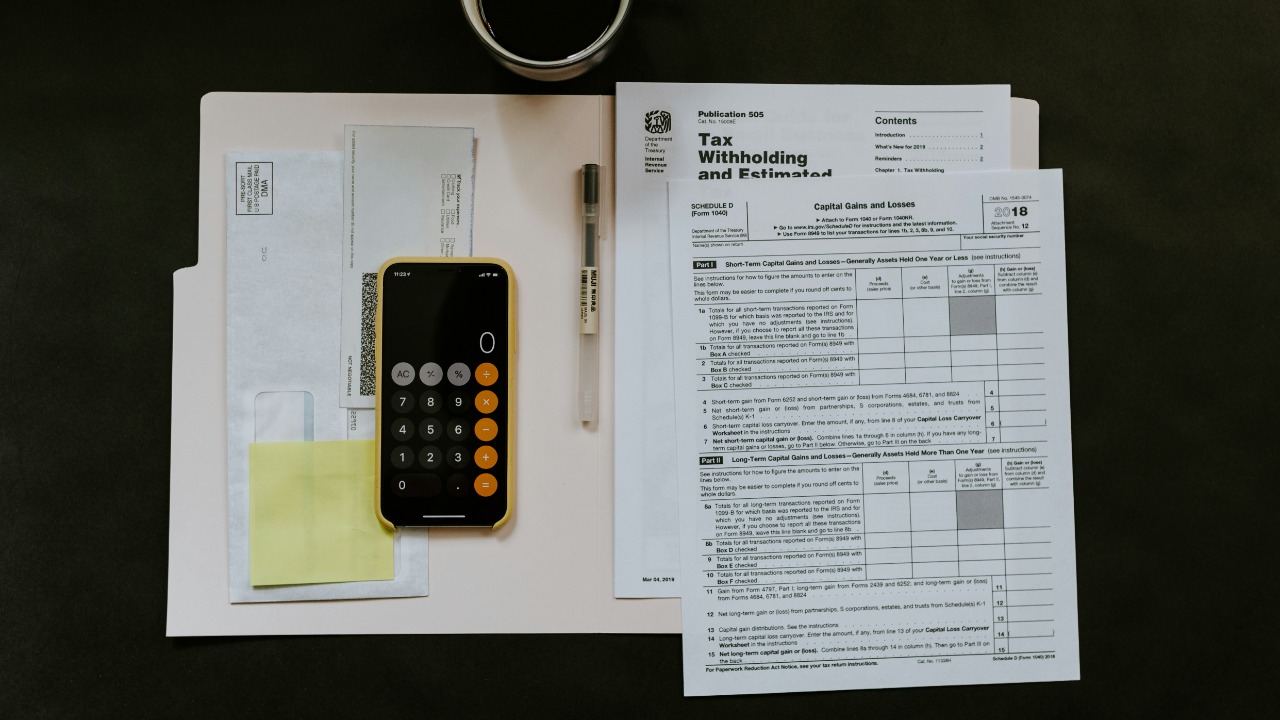
Most tax scams borrow the name of something real. This one borrows the name of something that was never enacted at all. The Internal Revenue Service has issued a public warning about promoters selling what they call Tribal Tax Credits, telling taxpayers, tribal communities, businesses and tax professionals that no such federal credit exists and that anyone who claims one on a return has filed a false claim.
A Release Dated September 18 Names a Credit That Was Never Written
The warning is recent and it is unambiguous. It carries no hedging about disputed interpretations or unsettled guidance, because there is nothing to interpret: no provision of the Internal Revenue Code, no interagency agreement and no executive order creates a credit of this kind.
The agency published the alert as IR-2026-112 on September 18, 2026, and it remains the newest item on the IRS newsroom’s current-month list. Promoters, the release says, are falsely claiming these credits can reduce federal tax liabilities or generate refunds, marketing them generically as Tribal Tax Credits, Native American Tax Credits, Sovereign Tribal Tax Credits or similar names. “Protecting taxpayers and the integrity of the tax system remains central to the IRS mission,” said IRS Chief Executive Officer Frank J. Bisignano, adding that the agency will always confront abusive and illegal schemes that could otherwise undermine confidence in the tax system.
Inside the kit: The first-hour recovery plan, the family code word, the free credit-freeze steps and a fraud evidence and report log. Open The Senior Fraud Defense & First-Hour Recovery Kit.
The Pitch: Buy a Credit Below Face Value
The mechanics described in the release will look familiar to anyone who has fielded an investment cold call. Promoters typically urge a taxpayer to purchase the supposed credits from an entity they say is connected to a tribal community, promising a significant return on investment by wiping out an existing tax liability or producing a refund, and they press for a quick decision. The money leaves the household twice over: promoters may charge a fee for arranging the purported purchase or for creating the supporting documentation, on top of whatever is paid for the worthless credit itself. Some supply legal opinions they claim were prepared or endorsed by a reputable law firm or attorney.
Six Ways Promoters Dress Up a Credit That Is Not There
The release catalogues the specific misrepresentations being used, and each one takes a genuine feature of the tax code and bends it. Promoters may claim an agreement exists among the Treasury Department, the Interior Department and certain tribal governments converting tribal trust fund payments into federal tax credits; the IRS states no such agreement exists. They may point to rules allowing credits to be sold or transferred between taxpayers, when federal law permits transfers only for specific clean energy credits. They may invoke the New Markets Tax Credit under Internal Revenue Code Section 45D, a real program with no relationship to the scheme. They may argue that a company owned by tribal members qualifies because of sovereign status, which no statute or agreement supports. They may cite presidential executive orders and code provisions as authority. And they may argue that because the IRS accepted a previously filed return, the credit must be valid, which the agency rejects outright: accepting a return is not approving a credit claimed on it.
What makes that list work is that two of its ingredients are genuine. Federal law really does allow certain credits to be sold or transferred between taxpayers, and the New Markets Tax Credit really is a live program under Section 45D. A pitch that opens with a verifiable statute and then slides into an unverifiable agreement is harder to refuse than one built entirely out of invention, particularly when the promoter has a written opinion to wave. The IRS drew the line in the same release: the transfer rules reach specific clean energy credits and nothing beyond them, and the New Markets program has no relationship to what is being sold here.
The Warning Signs the Agency Put in Writing
Five red flags appear in the release, and they double as a description of how the approach usually arrives. An offer to buy tax credits for substantially less than their stated value. A claim that only a limited number are available or that the taxpayer must act fast. A reference to a government or interagency agreement that is not publicly available anywhere. A legal opinion that cannot be verified by contacting the named attorney or firm. And a request to sign a nondisclosure agreement before receiving basic information about what is being sold. The IRS also cautions financial advisors and tax professionals to be wary if promoters approach them, and not to enable the schemes.
What Happens to a Return That Already Claimed One
The financial exposure does not end when the scheme is exposed. A federal return claiming a nonexistent Tribal Tax Credit contains a false claim whether or not a refund was paid out on the strength of it, and the release notes that promoters may go on to encourage taxpayers who already claimed the credit to fight the IRS during an audit. Taxpayers remain responsible for the accuracy of everything reported on their returns. Participating in an abusive scheme can bring an assessment of the correct tax owed, plus penalties and interest, and potentially fines and imprisonment. For a retired household, that means paying back a refund that was never owed, paying interest on it, and absorbing the promoter’s fee, none of which is recoverable through the tax system.
Reporting runs through a specific form rather than a phone tree. The IRS directs taxpayers and tribal communities to Form 14242, Report Suspected Abusive Tax Promotions or Preparers, to flag both a scheme and any return preparer promoting it, and points anyone with information about tax fraud to its tip channel and to its standing tax scams page. The release closes with the agency’s usual caveat that news items may not be updated after publication, which makes the September 18 date the fixed point: as of that day, the IRS’s position was that the credit being sold does not exist.
The Hours Between a Promoter’s Call and Form 14242
IR-2026-112 explains where to report a scheme, but a report is filed after the fact. Nothing in the release covers the interval that decides how much is lost: the moment a household realizes a bank account number, a Social Security number or a payment has already gone to someone selling a credit that was never real. That interval has its own sequence, and it is not written down anywhere on IRS.gov.
The Senior Fraud Defense & First-Hour Recovery Kit is a 9-page kit built around a fraud evidence and report log, the free credit-freeze steps and the family code word.
Read the first-hour recovery plan in The Senior Fraud Defense & First-Hour Recovery Kit.
This article was produced with AI assistance and reviewed by a human editor. Figures are linked to their primary sources.


