
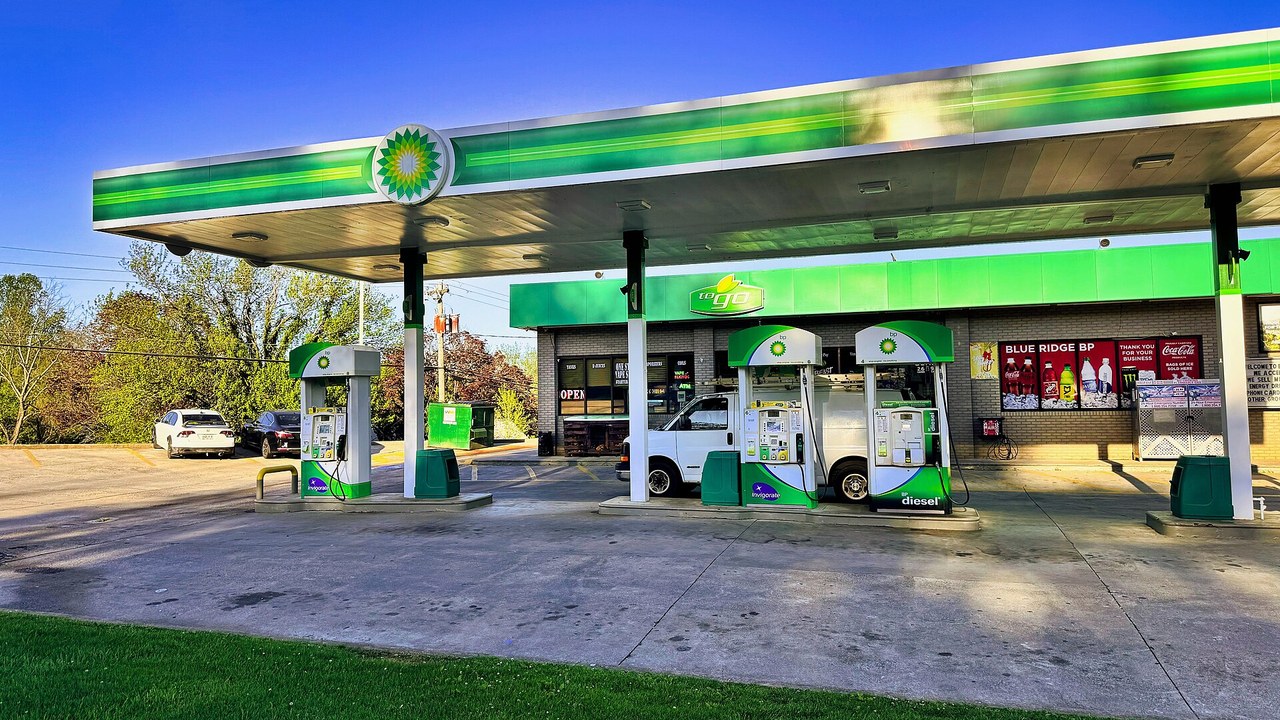
Gasoline prices move every week across the country, but the size of last week’s move in Ohio stood out from the rest of the map. The U.S. Energy Information Administration’s latest survey shows Ohio’s average price for a gallon of regular gasoline climbing 26 cents in just seven days, a jump sharp enough to outpace the nationwide increase over the same stretch. For a household budgeting a weekly fill-up, that is not a rounding error; it is real money disappearing from the same tank of gas that cost noticeably less the week before, on top of a year that had already pushed Ohio pump prices well above where they stood twelve months ago.
Ohio’s Price Rose 26 Cents in One Week, EIA Data Shows
According to the U.S. Energy Information Administration’s weekly Gasoline and Diesel Fuel Update, released September 15, 2026, Ohio’s average price for regular gasoline rose from $3.885 a gallon in the week ending September 7 to $4.147 a gallon in the week ending September 14 — a 26.2-cent increase in a single week. EIA surveys retail stations across the country every week to produce the figure, and Ohio’s move was among the larger single-week increases recorded on the agency’s state-level table for that release.
Inside the kit: The 5 kinds of property-tax relief, the circuit-breaker credit that includes renters, help with heating, cooling and home repairs, and an application log and renewal calendar. Open The Senior Property Tax & Home-Cost Relief Kit.
Ohio Outpaced the National Average Increase
The nationwide average for regular gasoline also rose that week, from $4.157 to $4.319, a 16.2-cent increase. Ohio’s 26.2-cent jump ran a full ten cents ahead of the national move, meaning the price pressure Ohio drivers felt was not simply the country’s overall trend passing through the state — something pushed Ohio’s pump prices up faster than the average American saw over the identical seven days. Ohio also outran its own region: EIA’s Midwest average, which covers Ohio alongside states such as Illinois, Michigan and Indiana, rose from $3.894 to $4.091 that week, a 19.7-cent increase. Ohio’s move outpaced even that regional figure by more than six cents, meaning the state was not merely riding a broader Midwest trend upward — it moved further and faster than the region it belongs to. EIA’s own historical weekly series for Ohio shows the state’s price moving in the same direction as the rest of the Midwest that week, but by a wider margin than most of its neighbors.
One Country, a Wide Spread Between Regions
EIA’s same release shows how differently the map looks depending on where a driver fills up. California’s statewide average reached $5.827 a gallon for the week, according to EIA’s historical weekly series for California, and the broader West Coast region averaged $5.467, while the Gulf Coast region — covering Texas, Louisiana and neighboring states — averaged just $3.852. Ohio’s $4.147 sits well below the West Coast’s numbers but noticeably above the Gulf Coast, a reminder that a single national average can obscure gaps of a dollar and a half or more between regions in the same week’s data.
Diesel Moved Even Faster Than Gasoline Nationwide
Gasoline was not the only fuel climbing that week. EIA’s national on-highway diesel average rose from $5.967 to $6.285, a 31.8-cent weekly increase — larger in raw cents than the gasoline move in Ohio, and a reminder that the same underlying cost pressures showing up at the gas pump were moving through the diesel market that trucks use to haul groceries and other goods to stores. A diesel increase of that size feeds into shipping costs before it ever shows up as a separate line on a household budget, arriving instead as a slightly higher price tag on the shelf.
A Year Ago, the Same Tank Cost $1.31 Less in Ohio
The weekly jump sits on top of a much larger increase over the past twelve months. EIA’s data puts Ohio’s regular gasoline price $1.307 higher than it was a year earlier, compared with a $1.151 year-over-year increase nationally. Ohio’s prices have not just moved more than the rest of the country in the most recent week; they have also climbed somewhat faster than the national average over the full year leading up to it.
What 26 Cents Adds Up to at the Pump
A 26-cent increase sounds small measured one gallon at a time, but it compounds quickly across a typical fill-up. At around 14 gallons — a common tank size for a mid-size sedan — the week-over-week increase alone adds roughly $3.67 to the cost of a single fill-up, and a driver filling up weekly would be paying about $15 more over the course of a month than the September 7 price would have suggested. None of that includes the separate $1.307-a-gallon increase over the past year, which adds a far larger amount to a household’s annual driving costs on top of the latest weekly move. EIA’s next release, due September 22, 2026, will show whether the increase held, reversed, or kept climbing.
Gas Prices Move Weekly; A Property Tax Bill Does Not Move at All Without an Application
A pump price swing like Ohio’s shows up and fades within a few weeks of data, but it lands on top of household budgets that are already carrying a much larger, slower-moving cost: property taxes and home upkeep. Nothing in a weekly fuel report lowers that bill, and no state mails a reminder that relief exists — a household has to find the program and apply.
The Senior Property Tax & Home-Cost Relief Kit is an 11-page kit covering the 5 kinds of property-tax relief and heating, cooling and home-repair help.
See The Senior Property Tax & Home-Cost Relief Kit.
This article was produced with AI assistance and reviewed by a human editor. Figures are linked to their primary sources.


