
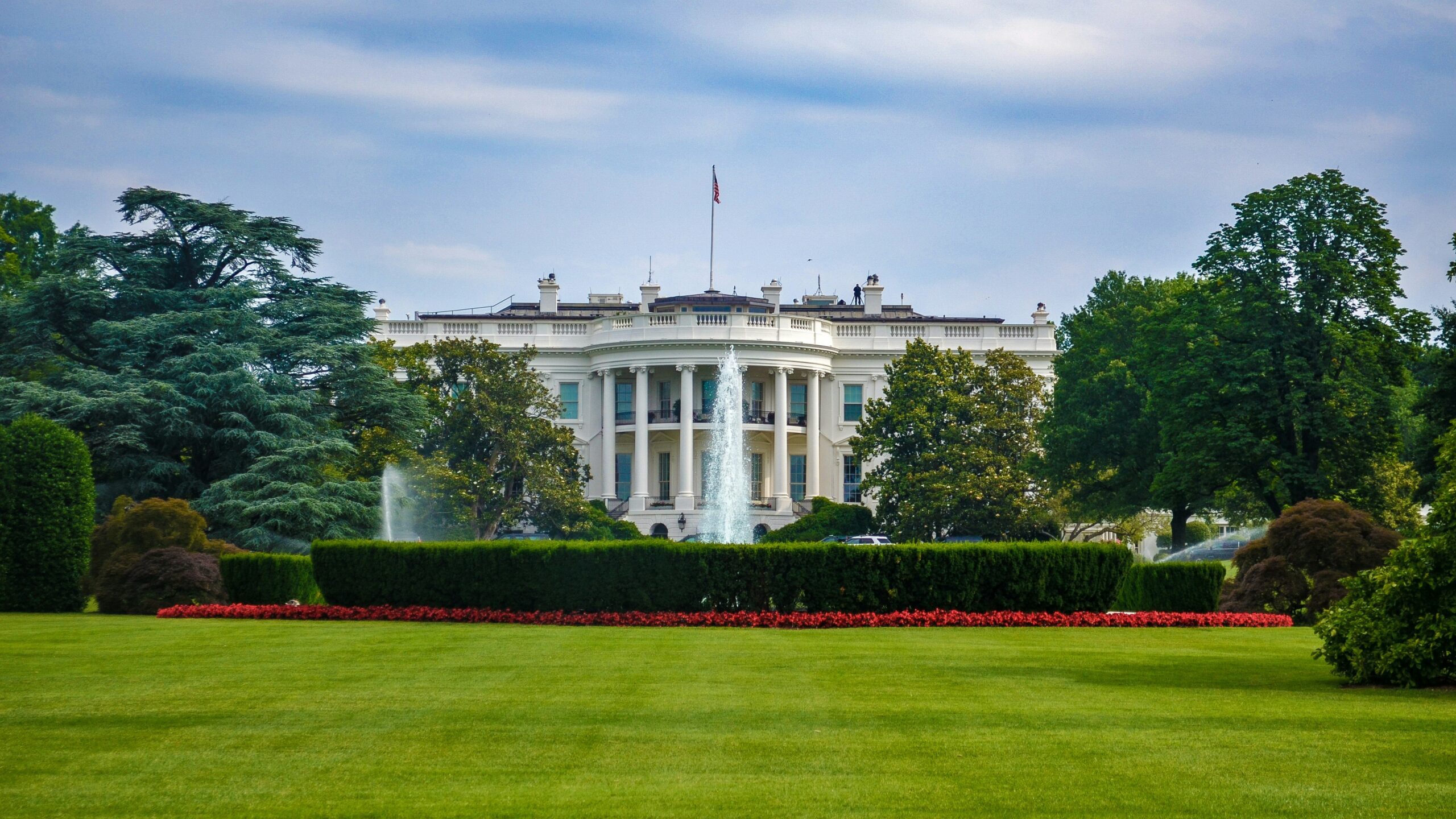
Federal agencies moved through the last full week of September without the shutdown headlines that dominated Washington a year earlier. The reason traces back to a bill signed in the first days of the month, one that covers the date lawmakers and agency budget offices watch most closely: the start of a new fiscal year. Households that spent late summer bracing for furloughed caseworkers and delayed federal mail are instead watching a funding fight that has been pushed down the calendar to December.
H.R. 6500 Sets Federal Funding Through December 11
On Wednesday, September 2, 2026, the President signed H.R. 6500 into law, the “Continuing Appropriations and Extensions Act, 2027.” The enrolled version of the bill, filed with the Government Publishing Office, carries the formal title “An Act Making continuing appropriations and extensions for fiscal year 2027, and for other purposes.” The law holds federal agency funding at existing levels through December 11, 2026, and separately extends authorities for surface transportation programs and veterans programs that were due to lapse.
The House passed the measure 370 to 48 on September 1, weeks after the Senate had already cleared it 90 to 6 in July, before leaving for its summer recess, according to reporting from Nextgov/FCW. The lopsided votes in both chambers reflected a bill built to avoid a fight: a straightforward extension of current spending levels, timed to clear Congress before lawmakers left for the fall campaign season.
Inside the guide: Eleven benefit programs, the 2026 income limits and a 50-state phone directory, with a printable tracker that comes with the download. Open The Benefits Checklist.
Why October 1 Passes Without a Funding Gap
Federal fiscal year 2027 begins October 1, 2026, the date that, without a new law in place, would have forced agencies to shut down for lack of appropriations. H.R. 6500 heads that off because its funding runs from the date it was signed through December 11, so the government crosses the October 1 boundary already covered rather than waiting on a separate vote. The National Association of Independent Colleges and Universities, which tracks federal funding bills for its member campuses, told members the resolution “keeps the government running until December 11” while pushing the harder decisions on full-year 2027 funding past the date the fiscal year actually starts.
House Speaker Mike Johnson, R-La., described the same mechanics before the vote, telling reporters Congress was “going to avoid the threat” of another shutdown because the bill “simply holds funding steady at current levels through Dec. 11th, as Republicans work to complete the full year appropriations process.”
A Frozen OMB Rule and a Border Patrol Funding Restriction
The same law carries two riders that shape how agencies can spend the money it provides. It temporarily blocks the Office of Management and Budget from finalizing a proposed rewrite of the Uniform Guidance rule, the regulation governing how federal grants are awarded and reviewed, that opponents said would let political appointees second-guess funding decisions before December 11. It also bars shifting money out of other federal programs to cover Border Patrol costs, a restriction Democrats had pushed for in earlier drafts of the bill.
Three of Twelve Full-Year Bills, With a Lame-Duck Deadline Ahead
Only three of the twelve annual appropriations bills that make up the full federal budget had passed the House floor by the time the stopgap was signed, and the Senate had passed none of its fiscal year 2027 bills, Nextgov/FCW reported. The House Appropriations Committee has approved all twelve bills at the committee level, the independent colleges association noted, but Senate committee work stalled over the summer amid leadership disagreements and the loss of a working majority following the medical absence of one senator and the death of another. House Appropriations Committee Chairman Tom Cole, R-Okla., said “the fiscal year deadline is outpacing the work that remains,” arguing the extension would let Congress “get past the November elections” before returning to “assess and move forward with further appropriations measures in November and December.”
Rosa DeLauro, D-Conn., the committee’s ranking Democrat, described the bill differently. She called it a “marked improvement” over an earlier draft that would have funded the government only through December 4 without blocking the OMB rule, while cautioning that the resolution “is in no way a substitute for the full-year funding process” and is “merely a means to complete this important work while averting a lapse in government funding.” The independent colleges association’s own account of the calendar put the remaining work into a compressed stretch after the November elections, to be finished by a lame-duck Congress.
What December 11 Means for Households Now
The law does not guarantee that any specific benefit, refund or service will arrive on schedule. It only keeps the agencies that administer those programs funded and operating rather than shuttered. What it removes is the particular disruption households had been bracing for since midsummer: federal employees already lived through the longest government shutdown in the country’s history last year, followed by the longest partial shutdown on record, which hit the Department of Homeland Security, and both left federal workers missing paychecks, Nextgov/FCW’s account of the run-up to this bill noted. A stopgap prevents that kind of lapse. It does not change eligibility rules, income limits or filing deadlines for any individual benefit program.
As of the independent colleges association’s most recent Washington Update, published September 11, nine days after the President’s signature, the resolution remained in force with no sign that Congress had revisited its terms. December 11 is the next date on the calendar, and the twelve full-year bills still sitting in Congress are the reason it is there.
Programs Behind the Funding Date
The funding fight in Washington decides whether agencies keep operating, not whether any single household benefit keeps arriving on the schedule a household actually depends on. Medicare Savings Programs, LIHEAP and SNAP for older adults all run on their own eligibility rules, income limits and paperwork deadlines that do not move just because Congress passed a stopgap. Nothing in H.R. 6500 updates those numbers or spells out which forms a household needs this year.
The Benefits Checklist is a 69-page guide to 11 benefit programs and the 2026 income limits, with a 50-state phone directory and a printable tracker that comes with the download.
See the 11 programs and the current income limits in The Benefits Checklist.
AI-assisted research and drafting; reviewed by an editor.


