
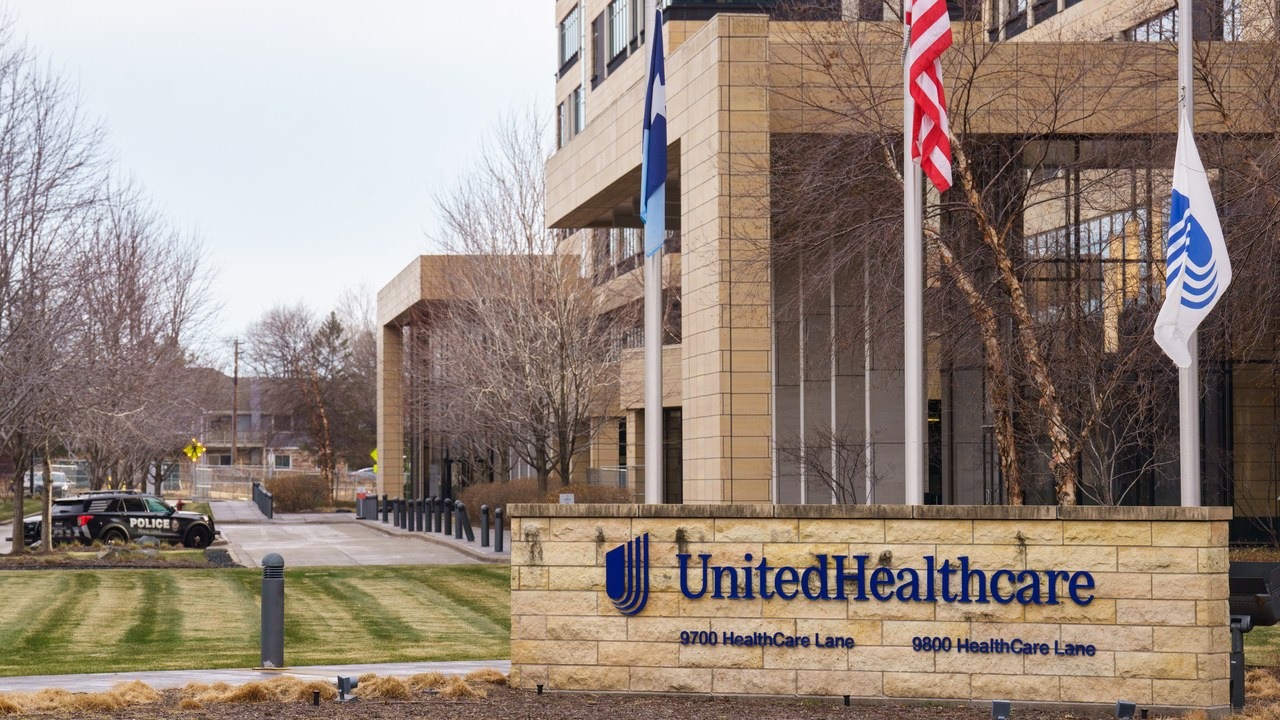
UnitedHealthcare of Wisconsin, Inc., the company behind Medicare Advantage contract H5253, submitted diagnosis codes to the federal government that a new watchdog review says the medical records did not support. The Department of Health and Human Services’ Office of Inspector General checked a sample of enrollee cases and found most of the codes it tested did not hold up, producing an extrapolated overpayment estimate in the tens of millions of dollars for the plan’s 2020 and 2021 payment years. The company disagreed with some of the audit’s findings and, in a separate step, asked OIG to withdraw everything the report recommended, not only the specific findings it contested.
What the OIG Audit Reviewed in United’s Wisconsin Contract
Medicare Advantage plans are paid partly according to how sick CMS believes their enrollees are, based on diagnosis codes the plan collects from its network of doctors and hospitals and submits for that purpose. Certain diagnoses carry a documented history of miscoding because they can raise a plan’s payment substantially while needing only a single note in a chart to support them. OIG has been working through a series of contract-by-contract reviews built around exactly these higher-risk codes, and the audit of United’s Wisconsin contract, identified in federal records as H5253, is one installment in that series.
For this review, OIG selected a sample of 250 enrollee-years tied to specific high-risk diagnosis codes that United had submitted to CMS and asked United to produce the medical records supporting each one, according to the report OIG posted online on September 15.
Free plan-change checklist: A Medicare plan can change its costs, drugs and doctors for next year even when its name stays the same. Check the changes with the free 2027 review sheet.
How a Sample of 250 Enrollee-Years Became a $46.9 Million Estimate
Of the 250 enrollee-years OIG sampled, 183 of them — about 73 percent — carried diagnosis codes that the medical records did not support, meaning United had been paid on the basis of a health condition the documentation on file did not confirm. Inside that sample alone, the unsupported codes accounted for $722,280 in overpayments. OIG then applied that error rate across United’s broader population of similar high-risk codes for payment years 2020 and 2021 and arrived at an estimate that United had received at least $46.9 million more than it should have, a figure spelled out in the full audit report.
The $46.9 million is a statistical projection, not a line-by-line accounting of every dollar United was paid. Federal auditors use sampling because checking every enrollee’s chart across two full payment years is not practical, so the number represents what the sample’s error rate implies about the whole population rather than a sum OIG traced dollar for dollar. That distinction matters for what happens next: an estimate can be disputed on methodology grounds even when the underlying sample findings are not seriously in question.
Four Recommendations, and a Request to Withdraw All of Them
OIG’s report makes four recommendations. The lead one directs United to refund the federal government the full $46.9 million in estimated overpayments; the other three call for tightening the internal controls that let unsupported codes reach CMS in the first place, according to the report’s published highlights.
United’s written response, summarized in the same report, takes two separate positions that are easy to collapse into one. First, the company disagreed with some — not all — of OIG’s underlying findings about which codes lacked supporting documentation. Second, and distinctly, United asked OIG to withdraw all four recommendations, including the three procedural ones the company did not specifically dispute on the facts. The report keeps those two positions apart rather than treating them as a single objection, and asking a federal watchdog to erase every recommendation attached to an audit is a broader ask than disputing part of the evidence behind it.
What “Unsupported” Means, and What the Audit Does Not Decide
An unsupported diagnosis code is not, by itself, a finding of fraud, and it does not mean an enrollee never had the condition in question. It means the chart OIG reviewed did not contain the documentation CMS requires to justify the higher payment tied to that code — a paperwork gap between the plan and the government, not a ruling on the medical facts of any individual’s care. An enrollee whose case turned up in the sample did not lose coverage or benefits over it; the dispute runs between United and CMS over what United was paid, not between United and the people it insured.
The recommendations in an OIG audit are also not self-executing. OIG can recommend a refund and process changes, but it is CMS, not OIG, that would ultimately act on collecting any repayment or requiring specific fixes to United’s compliance program. United’s request to withdraw the recommendations is a request OIG can accept, reject or partially address in a final resolution; the audit report itself does not settle that question.
One Contract in a Wider Federal Push on Medicare Advantage Coding
The Wisconsin contract audit is one entry in a broader run of similar reviews OIG has published against Medicare Advantage organizations in recent years, each built around the same category of high-risk diagnosis codes and the same sampling method. The question running through all of them is narrower than it might sound: whether a plan’s own records can support the payment CMS already made on a given code, not whether the plan broke the law by submitting it. On United’s Wisconsin contract, OIG’s answer was that 183 of 250 sampled cases could not clear that bar, which is the finding driving the $46.9 million estimate and the recommendations United has now asked to have withdrawn.
What an Audit Finding Does Not Change About This Year’s Plan Choice
The OIG audit concerns how United coded diagnoses for CMS’s payment system, not the plan documents, drug lists or provider networks a member reviews during enrollment. Even so, a compliance dispute between a plan and a federal auditor is a reminder that costs, drug coverage and networks reset every year regardless of what any audit finds. Someone comparing Medicare Advantage options for 2027 still has to work from the plan’s own current documents rather than from a payment dispute over 2020 and 2021.
The 2027 Medicare Open Enrollment Decision Kit includes a cost calculator spreadsheet that compares plans on cost, drugs and doctors alongside a provider call script for confirming a doctor is still in a plan’s network before switching.
Look up a prescription-by-plan comparison in The 2027 Medicare Open Enrollment Decision Kit.
AI-assisted research and drafting; reviewed by an editor.


