
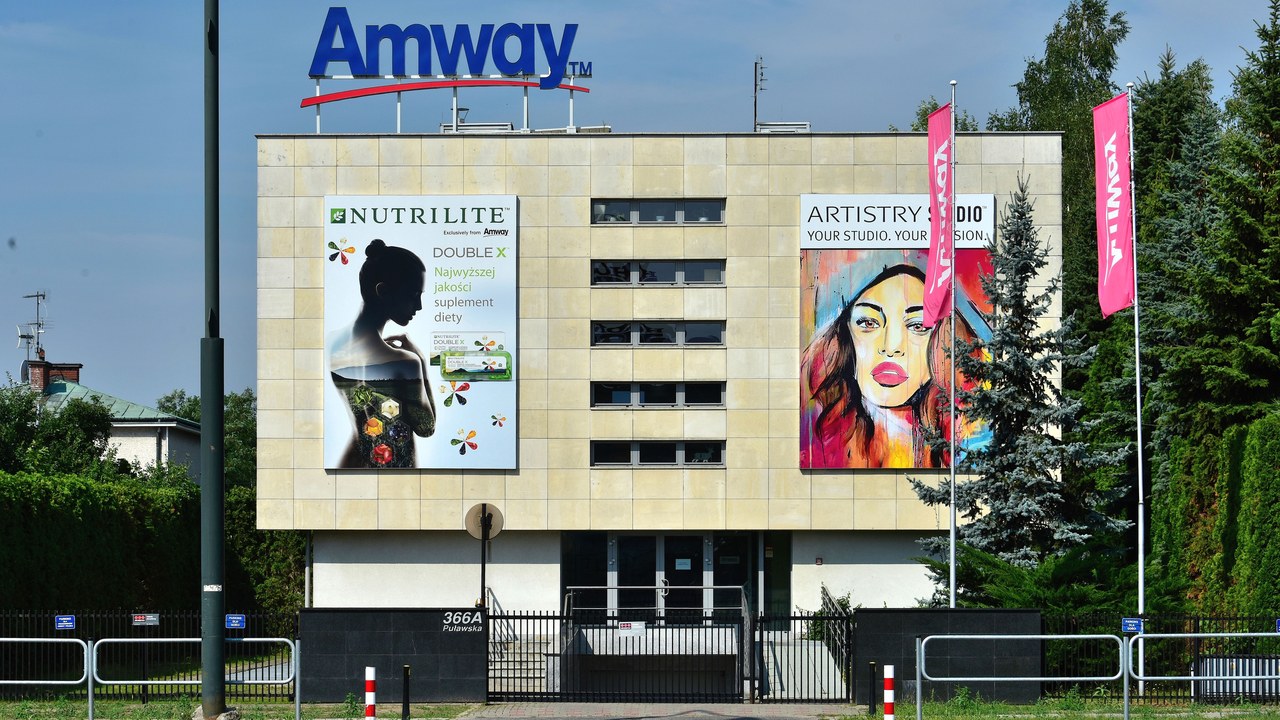
A joint enforcement action by the Federal Trade Commission and the Washington state attorney general has produced the largest monetary settlement the FTC says it has ever obtained against a multilevel marketing company. Amway Corp. and two of its recruiting affiliates would pay $225 million under a proposed federal court order, with nearly all of that money set aside to repay people who lost money after signing up. The case turns on a specific number recruiters allegedly used to pitch the opportunity, and how far that number was from what most participants actually took home.
What the FTC and Washington Say Amway Promised Recruits
According to a joint complaint filed in the U.S. District Court for the Western District of Washington, Amway recruited people into its “Independent Business Owner,” or IBO, program through two of its largest affiliated training organizations, World Wide Group and Leadership Team Development. Recruiters working with those two groups allegedly told prospects they could earn more than $40,000 a year, with some pitches suggesting the income could replace a full-time paycheck, pay off debt or support an early retirement.
The complaint alleges that only about 1 percent of people who joined through World Wide Group or Leadership Team Development actually earned that much, and that most people who signed up after 2020 spent more money on Amway products and required training than they ever received back in income, according to the Washington Attorney General’s Office, which filed the case jointly with the FTC. The attorney general’s announcement also points to the price of Amway’s own products as part of the problem: a case of 24 bottles of Amway-brand water, at 16.9 ounces each, sold for $52 until recently, a price regulators say made the product difficult for IBOs to resell to the general public rather than absorb into their own households.
Training groups allegedly instructed IBOs to buy a set amount of product every month regardless of demand, then focus their effort on recruiting others to duplicate that behavior. The complaint further alleges that Amway and its affiliates encouraged IBOs to falsely report retail sales that never happened, to make the recruiting-heavy business look more like ordinary product selling than it was.
Free download: The first-hour steps in order, who to call at banks, agencies and credit bureaus, and what to document. Get the free scam and identity-theft action card.
How the Proposed $225 Million Order Would Work
The $225 million is structured as a judgment rather than a fine the government keeps. The FTC’s announcement says nearly all of it will go toward redress for people harmed by World Wide Group’s and Leadership Team Development’s recruiting practices, calling it the largest monetary recovery the agency has obtained in any action against a multilevel marketing company.
There is no claims process open yet. The FTC’s own announcement says information about its redress program for this case “will be provided at a later date,” which means affected participants cannot currently file for a share of the money and there is no deadline on the calendar for them to track. The Commission’s vote to authorize filing the complaint and the proposed order was 2-0.
New Operating Rules Amway Would Have to Follow
Beyond the payment, the proposed order would change how Amway, World Wide Group and Leadership Team Development are allowed to operate going forward. Under its terms as described by both agencies:
- IBOs would be required to resell at least 70 percent of the products they purchase from Amway each month.
- Recruiters would receive substantially reduced compensation when the people they recruit buy products but do not resell them.
- IBOs would have to report their customer sales promptly and at the actual sales price, and Amway would send receipts directly to those customers.
- Amway would be required to terminate any IBO who fakes sales or teaches others to do so.
- An independent outside auditor would regularly review Amway’s sales records.
- Amway would be barred from letting its affiliates, including World Wide Group and Leadership Team Development, charge new recruits for training or services during their first year in the program.
New IBOs would also have to be trained on these rules before being allowed to recruit anyone else into the program.
Where the Case Stands and What Amway Has Said
None of the allegations have been proven in court. The FTC files a complaint when it has, in the agency’s own words, “reason to believe” a company is violating the law and a case is in the public interest — a lower bar than a finding of liability, which is why the $225 million figure and the new operating rules remain proposed rather than final. The FTC’s case docket lists the matter’s status as “Pending” as of September 17, 2026, meaning a federal judge still has to review and sign the stipulated order before it carries the force of law.
Neither the FTC’s nor Washington’s announcement includes a statement from Amway, World Wide Group or Leadership Team Development disputing the allegations, and wire service reporting on the settlement noted that Amway did not immediately respond to a request for comment after the case was filed.
For now, the clearest public account of the intended effect of the settlement comes from Washington Attorney General Nick Brown, who said in the state’s announcement that it “will deliver relief for the many Washingtonians who joined Amway seeking to provide for themselves and their families, only to lose time and money and wind up with cabinets full of products they don’t want or need.” Whether that relief arrives as described depends on the court approval and redress process that, as of this writing, have not yet run their course.
The Records a Household Has to Keep When Money Is on the Line
Enforcement cases like this one move slowly, and money set aside for restitution can take months or years to reach the households it is meant to help. In the meantime, families dealing with a deceptive sales pitch, a suspicious charge or a stolen identity are usually on their own for the first, most urgent steps — the calls, the freezes and the paperwork nobody hands them in advance.
The Senior Fraud Defense & First-Hour Recovery Kit describes the first-hour recovery plan and the family code word so everyone in a household knows which calls to make first and how to verify who is really on the phone.
See the first-hour recovery plan in The Senior Fraud Defense & First-Hour Recovery Kit.
AI-assisted research and drafting; reviewed by an editor.


