
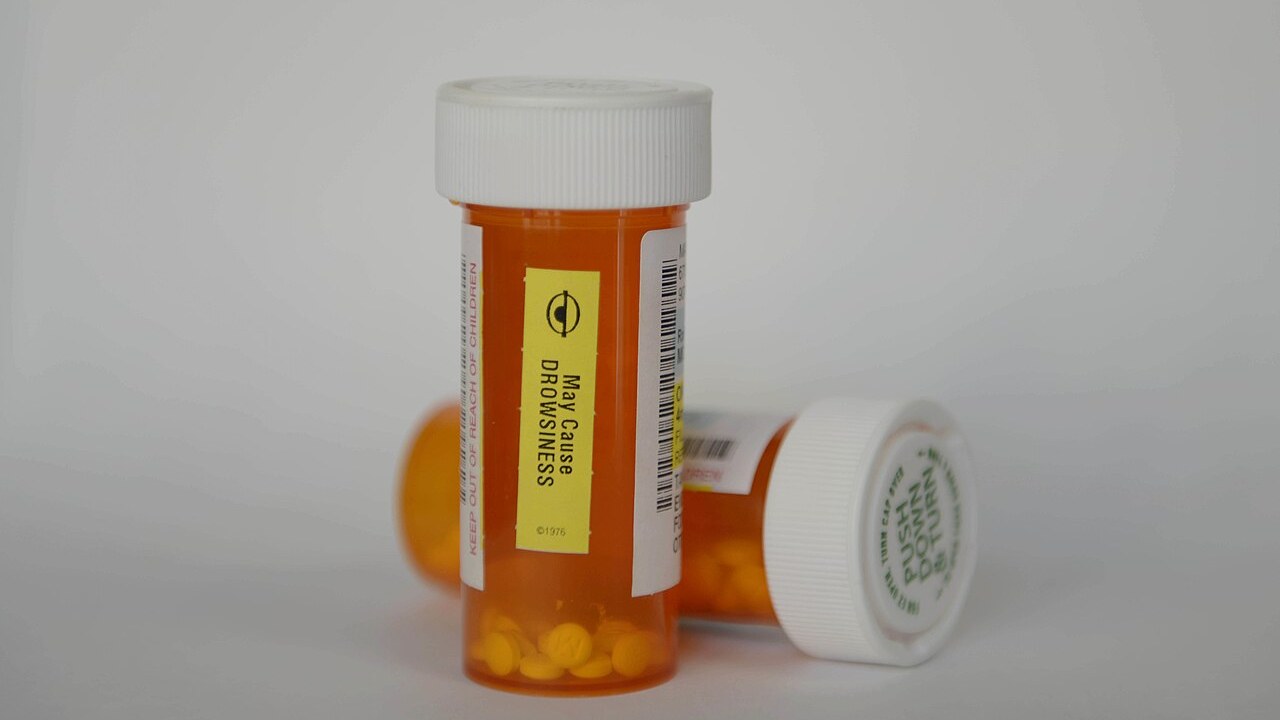
Every Medicaid program in the country has filed an application for a new federal prescription drug pricing model, and federal regulators say most have already gone a step further and signed on for good. The Centers for Medicare & Medicaid Services said on September 18, 2026, that all 50 states, plus the District of Columbia and Puerto Rico, applied to the GENEROUS Model, a five-year effort to buy certain drugs for Medicaid at prices closer to what other wealthy countries pay. Forty states and Puerto Rico have already signed binding participation agreements, while the rest have until the end of the month to do the same.
All 50 States, DC and Puerto Rico Applied: Signing Is a Separate Step
The GENEROUS Model, formally GENErating cost Reductions fOr U.S. Medicaid, is a CMS Innovation Center pilot that lets a state Medicaid program buy certain outpatient drugs from participating manufacturers at most-favored-nation prices, meaning prices closer to what comparable countries pay. CMS Administrator Dr. Mehmet Oz and Health and Human Services Secretary Robert F. Kennedy Jr. both cast the application numbers as proof the model has near-universal interest across the Medicaid system, though an application and a signed agreement are two different milestones in the same process. CMS Innovation Center Director Abe Sutton called the participation count “a significant milestone,” saying the model would let states “invest more in education, infrastructure, and other ways to support Americans with Medicaid” as drug costs come down.
Applying only means a state told CMS it wants in. A state Medicaid program cannot begin using the negotiated pricing until it signs a formal participation agreement, and CMS’s own count shows a gap between the two numbers: forty states and Puerto Rico have signed, while ten states and the District of Columbia have applied but not yet finalized an agreement. CMS says the remaining jurisdictions have until September 30, 2026 to sign, and the agency’s press release carries no mention of another extension.
Free download: What to ask the plan, the prescriber and the pharmacy, when to request an exception, and which records to keep. Download the free prescription coverage checklist.
How Most-Favored-Nation Pricing Changes a State’s Drug Bill
Under the model, a participating drug manufacturer agrees to make a covered outpatient drug available to a participating state Medicaid program at a price tied to what other developed countries pay for the same product. States then invoice the manufacturer for supplemental rebates to bring the price down to that international benchmark, and CMS checks the pricing math on the back end. When a state’s rebate collections come in, the federal government reduces its own share of that state’s Medicaid payments, so part of the savings flows back to Washington rather than staying entirely with the state.
The mechanics are laid out on the model’s own CMS Innovation Center page, which describes GENEROUS as a pilot aimed at bringing Medicaid drug pricing in line with what comparable nations already pay. The model launched in January 2026 and is set to run for five years, giving CMS time to track whether lower list prices for manufacturers actually translate into steadier access to medications for people enrolled in Medicaid.
A Year of Postponed Deadlines Behind This Week’s Numbers
The application window that just closed did not run on its original schedule. CMS opened the GENEROUS Model with a November 2025 announcement, then pushed back several of its own deadlines the following spring: the drug manufacturer application deadline moved from April 30 to June 11, 2026, the manufacturer participation-agreement deadline moved from June 30 to July 17, 2026, and the state application deadline moved from July 31 to September 10, 2026. The state agreement-signing deadline, originally August 31, 2026, was pushed to September 30, 2026, in that same round of extensions, and it is that revised date holdout states are now working against.
The extensions were framed as a response to heavy interest from manufacturers, particularly small and mid-sized companies that needed more time to review the Request for Applications before committing.
Why CMS Is Pointing to a $64.3 Billion Figure
CMS estimates GENEROUS will save taxpayers $64.3 billion over the next ten years once participating states and manufacturers are fully signed on, a number the agency ties directly to how fast Medicaid drug spending has been climbing. Total gross Medicaid spending on prescription drugs topped $100 billion in 2024, up roughly $10 billion from 2022, and net spending after manufacturer rebates still came to about $60 billion. That growth is the backdrop CMS uses to justify pushing every state toward the same negotiated price rather than letting each state negotiate rebates on its own. The model’s initial design also called for participating states to adopt uniform, transparent coverage criteria for the drugs involved, a standard meant to give patients and prescribers predictable rules rather than a patchwork of coverage decisions that shifts from state to state.
What Changes for a Household Before Every State Has Signed
For a Medicaid enrollee filling a prescription this month, nothing changes automatically just because a state applied. Lower pricing only takes effect once a state’s agreement is signed and manufacturers begin invoicing under the new terms, and CMS has not published a timetable for when savings show up at the pharmacy counter in states that sign closer to the September 30 deadline than the states that signed months ago. The practical effect of the announcement, for now, is a status update on paperwork, not a guaranteed lower copay.
CMS has committed to publishing an updated list of participating states on the model’s program page as agreements are finalized, which is the most direct way to check whether a specific state has moved from applicant to signed participant before assuming a lower price is already in effect.
Where a Federal Price Cut Stops Short of the Pharmacy Counter
None of the paperwork described above tells an individual household when a specific medication gets cheaper, or what to do if a plan is still applying an old price weeks after a state signs on. States are still finalizing agreements, manufacturers are still working out invoicing, and that leaves a stretch of time where a denied prior authorization or a surprise copay has nothing to do with whether a state applied or signed.
The Medicare Cost & Coverage Protection Kit combines a 10-page kit with 51 state Medicare cost-help packs, covering the new Part D out-of-pocket cap and the appeal steps for a denied prior authorization.
See the new Part D out-of-pocket cap in The Medicare Cost & Coverage Protection Kit.
AI-assisted research and drafting; reviewed by an editor.


