
USDA’s Food and Nutrition Administration resets several dollar figures each fall, and the fiscal year 2027 update carries an unusual twist. Starting October 1, 2026, the asset limit that most households must stay under to receive Supplemental Nutrition Assistance Program benefits holds at $3,000, while the limit for households with a member age 60 or older or living with a disability rises to $4,750. That second figure is not just a savings ceiling. Federal regulation also uses it to mark the point at which a single lottery prize or gambling payout ends SNAP eligibility, no matter which household wins it. The connection between the two roles is written into the same government memo that raised the number for the year ahead.
The $3,000 and $4,750 Asset Limits Effective October 1
The new numbers come from a memorandum the Food and Nutrition Administration issued on August 21, 2026, spelling out the fiscal year 2027 cost-of-living adjustments for SNAP. Asset limits, also called resource limits, count cash and bank balances toward a ceiling a household cannot cross and still qualify for food assistance.
Under the memo’s asset-limit table, the ceiling for most households stays at $3,000 for the year running October 1, 2026, through September 30, 2027. Households with at least one member who is 60 or older, or who has a disability, get a higher ceiling of $4,750 for the same period. Both figures apply nationwide, including Alaska, Hawaii, Guam and the U.S. Virgin Islands.
Free SNAP checklist: A missed recertification step can pause food benefits, and EBT problems have their own fixes. Get the free recertification and EBT checklist.
How a Single Jackpot Becomes a Disqualifying Resource
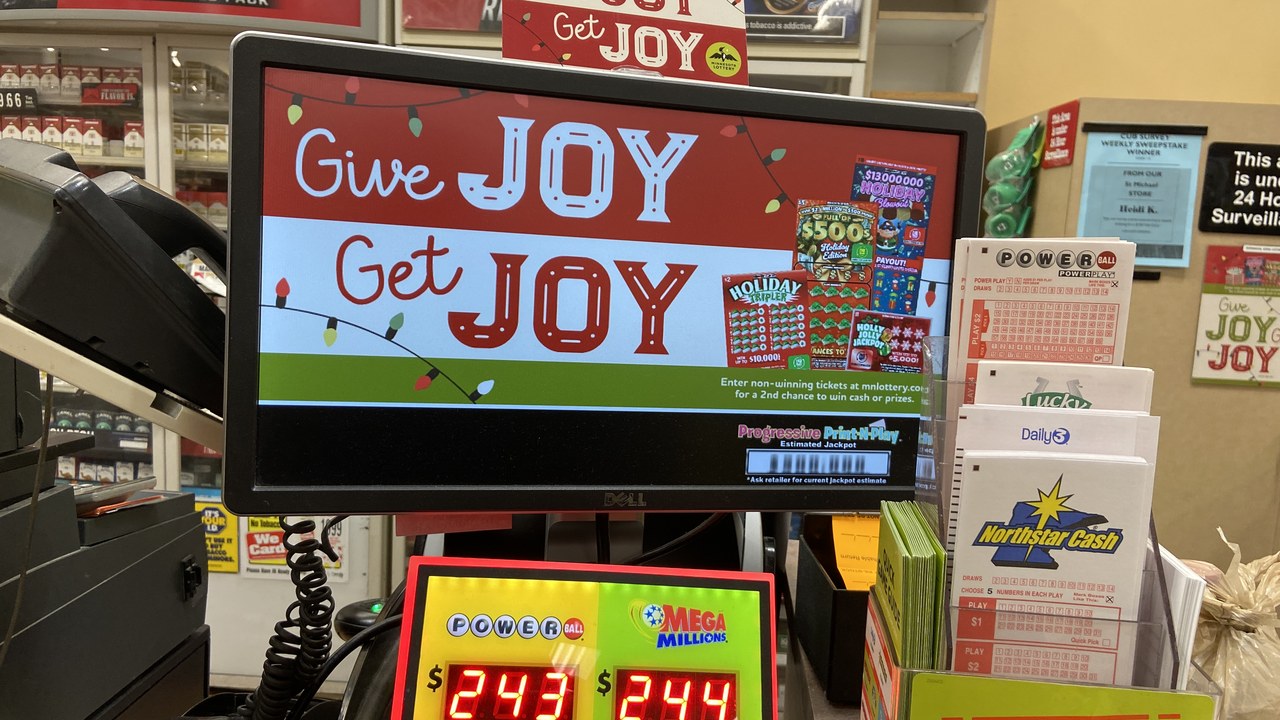
A footnote attached to the elderly-and-disabled asset limit does most of the work behind the headline: it states plainly that the same figure also serves as the threshold for substantial lottery or gambling winnings. That language traces back to federal SNAP regulation, not just the annual memo. A provision added after the 2014 Farm Bill, and finalized by USDA in a 2019 rulemaking, ties eligibility to a cash prize won in a single game or bet, counted before taxes or other amounts are withheld.
Once a member of a certified household receives a prize at or above that dollar line, the household is treated as though it were holding that amount in a bank account on the day of the win. That is enough to fail the asset test outright, independent of the household’s ongoing income or the benefit amount it had been receiving before the win.
The State-to-Casino Data Matches That Catch a Win
Federal regulation does not leave detection to self-reporting alone. Under 7 CFR 272.17, state SNAP agencies are directed to set up cooperative agreements with the gaming entities that regulate or sponsor lottery and gambling activity inside their state. Those agreements specify what information gets shared, how often, and which state employees can see it.
States are then required to compare that winnings data against their own lists of currently certified SNAP households, at minimum whenever a household files a periodic report and again at recertification. A match triggers a formal notice process rather than an automatic cutoff, giving the household a chance to respond before benefits are terminated.
The same regulation also requires each state to list, in its annual State Plan of Operation, which gaming entities it has agreements with and how often it runs the data matches, and it directs states to establish and collect claims once an overpayment tied to unreported winnings is confirmed.
Why the Higher Number Applies to Every Household’s Jackpot
The dual purpose of the $4,750 figure produces an asymmetry worth noting. A household of two adults under 60, with no member who is disabled, is normally held to the $3,000 asset limit for its everyday savings and bank balances. But if a member of that same household wins a lottery prize or gambling payout, the regulation measures the win against the elderly-and-disabled figure, not the lower number that otherwise governs the household’s own resource test.
In effect, the FY2027 memo raises the bar for a disqualifying jackpot for every SNAP household in the country at once, not only for the households old enough, or disabled enough, to use $4,750 as their everyday ceiling. A standard household’s own asset limit stays at $3,000, but its lottery-and-gambling threshold rises alongside the elderly-and-disabled figure it does not otherwise use.
The Cost-of-Living Formula Behind Both Numbers
Neither figure moves in isolation. The same August 21 memorandum that raises the two asset limits also lifts SNAP’s maximum monthly allotments, income eligibility standards and deductions for fiscal year 2027, all under the cost-of-living adjustment the Food and Nutrition Act of 2008 requires each year. The maximum allotment for a family of four in the 48 contiguous states and D.C. rises to $1,023 under the same memo, the standard deduction for one-to-three-person households increases to $217 a month, and the minimum monthly benefit climbs to $25.
That link matters because it means the lottery and gambling threshold will keep moving on the same annual schedule as the ordinary asset test, without a separate act of Congress or a new regulation. Whatever dollar figure USDA sets as the elderly-and-disabled resource limit in a given fiscal year automatically becomes that year’s line for a disqualifying win, a connection spelled out in the footnote to the FY2027 asset-limit table itself.
A New Limit Arrives Before the Renewal Notice Does
The asset test in this memo is not a one-time check. Every SNAP recertification cycle runs the same resource figures again, and a Medicaid renewal often lands on a household around the same time, with its own separate paperwork and its own separate clock. A missed form or an unreported change can end coverage as abruptly as a disqualifying jackpot does.
The SNAP & Medicaid Renewal Organizer spells out, across 13 pages, the 90-day window after coverage is dropped, plus 51 state packs, a renewal document checklist, and a renewal and reporting calendar.
Compare the 90-day window after coverage is dropped against a household’s own renewal date in The SNAP & Medicaid Renewal Organizer.
AI-assisted research and drafting; reviewed by an editor.


