
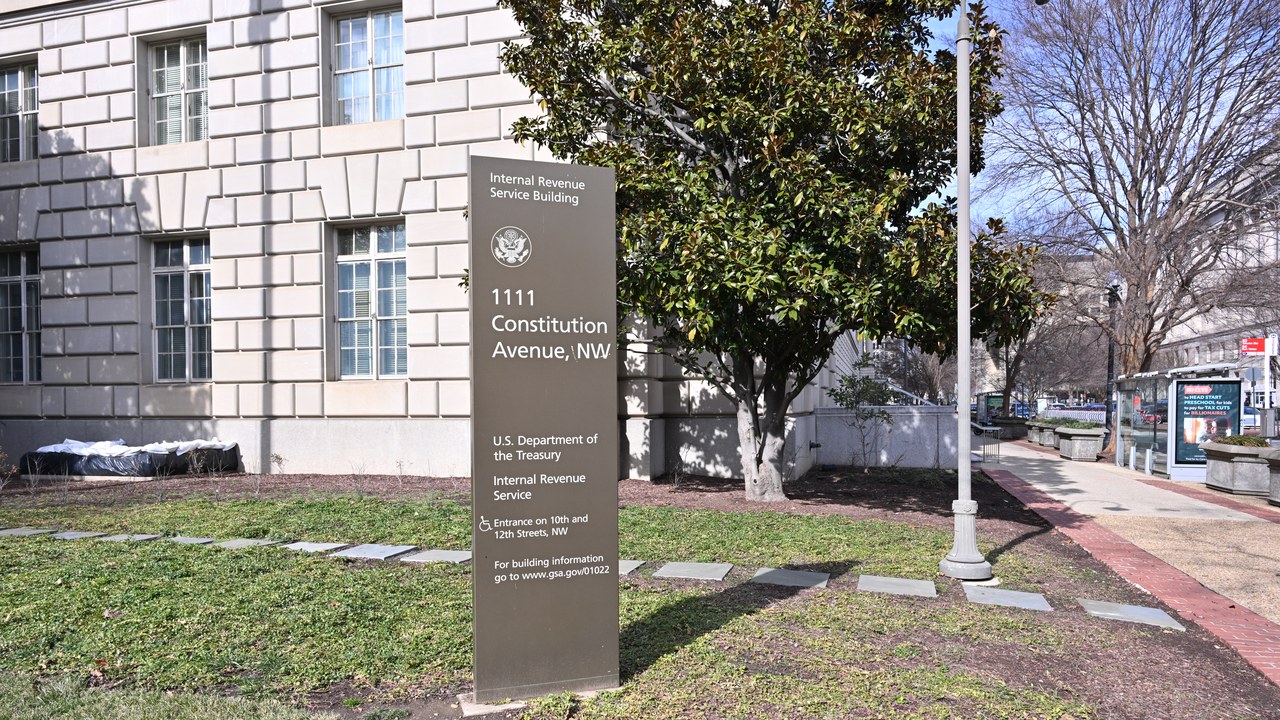
A federal scam warning issued on September 18, 2026 names a scheme built around a tax credit that does not exist. Promoters have been marketing a so-called “Tribal Tax Credit,” a “Native American Tax Credit,” or a “Sovereign Tribal Tax Credit” to taxpayers, tribal communities, and even tax professionals, claiming it can erase a tax bill or produce a refund. The agency’s own notice draws a hard line under one point: filing a return with this credit is a false claim no matter what happened afterward, including when the refund already landed in someone’s bank account.
How Promoters Dress Up a Credit That Doesn’t Exist
According to IRS notice IR-2026-112, promoters typically approach a taxpayer or a business connected to a tribal community and offer to sell the purported credit outright, often pressuring them to act before a supposedly limited supply runs out. The pitch borrows legitimacy from real government structures: some promoters claim a secret agreement exists among the Treasury Department, the Department of the Interior and tribal governments that lets tribal trust-fund payments convert into federal tax credits. The IRS says no such agreement exists.
Other versions of the pitch misuse actual tax provisions. Some promoters point to the real rules allowing certain clean-energy credits to be sold or transferred and imply the same rights apply here. Others invoke the New Markets Tax Credit under Internal Revenue Code Section 45D, a program the IRS says has no relationship to the fake credit at all. A few go further, citing a presidential executive order or a company’s tribal ownership as the supposed source of the credit, or arguing that the IRS’s past acceptance of a return proves the credit was valid — which, per the notice, it does not.
The commercial side looks like other packaged tax shelters: a fee to arrange the purchase, a paperwork packet meant to make the credit look documented, and sometimes a legal opinion the taxpayer is told came from a real law firm. The notice advises verifying any such opinion directly with the attorney or firm named, since an opinion that cannot be checked is one of the scheme’s listed warning signs, along with nondisclosure agreements demanded before a taxpayer sees basic details of the credit.
Free refund decision tree: A delayed refund usually means one of a few specific things, and each has a different next step. Find the reason with the free refund tracker.
The Refund Doesn’t Erase the False Claim
The clawback sits in one sentence of the notice: a return claiming a nonexistent Tribal Tax Credit “contains a false claim, regardless of whether a refund was issued initially based on the fake Tribal Tax Credit.” That is the IRS’s own statement of the repayment position, not an inference drawn from general tax law — the agency is naming this exact scheme and stating what happens to a return that already carried a refund.
In practice, a taxpayer who filed one of these returns and already saw a refund direct-deposited cannot treat the matter as closed. The IRS can examine the return, determine the credit was never valid, and assess the correct tax that was actually owed all along. The refund was never really settled money; it was an erroneous payment created by a false entry, and the agency’s position is that the underlying liability was never satisfied in the first place.
The notice does not name a specific promoter as charged or convicted in connection with this scheme, and nothing in the release describes a completed prosecution. What the IRS has done is describe the mechanics of the scheme and state the tax consequences for anyone who claims the credit, past or present. A taxpayer weighing what to do next is dealing with a civil repayment position the agency has already stated, separate from and ahead of whatever criminal case, if any, is eventually brought against a promoter.
What Comes Back With the Money
Repaying the refund is the floor, not the whole bill. The notice states that participating in an abusive tax scheme “can result in the assessment of the correct tax owed, penalties, interest, and, potentially, fines and imprisonment.” Interest runs on the underlying balance from the original due date of the return, not from whenever the IRS catches up with the filer, so a fake-credit return that sits unexamined for a while accumulates a larger interest bill on top of the tax itself.
The promoter’s fee is a separate loss layered on top of that. Promoters charge for arranging the purported credit purchase and for producing paperwork meant to support it, a cost paid up front that is not returned when the credit turns out to be worthless. Between the repaid refund, accrued interest, possible penalties and the fee already paid to the promoter, a household can end up further behind than if it had simply filed an ordinary return in the first place.
Tax professionals are named directly in the warning too. The notice tells financial advisors and preparers to be “cautious if approached by promoters” and to avoid enabling the schemes, which puts a preparer who signs off on one of these credits inside the same exposure as the client who claims it.
Reporting a Promoter Versus Settling a Balance
Taxpayers and tribal communities who are offered one of these credits, or who already claimed one, have a specific reporting channel: Form 14242, used to report suspected abusive tax promotions and the preparers who sell them. Separately, anyone with direct knowledge of related fraud can report it through the IRS’s fraud-reporting page.
Neither report erases an existing balance. The IRS keeps the two questions separate: what a promoter did, which is a matter for enforcement and, if charges are ever filed, for the courts to resolve, and what a taxpayer now owes, which the agency says already exists the moment a return carries a Tribal Tax Credit that was never real. IR-2026-112 is dated September 18, 2026, and the notice itself carries a standing caution that “news items may not be updated after their release,” meaning the mechanics described are current as of that release, and anyone tracking further enforcement should check the IRS’s own newsroom rather than assume the story ends here.
Reading The Notice That Follows A Clawed-Back Refund
A taxpayer who gets an IRS letter reversing a refund is often staring at unfamiliar notice codes and a due date with no plain-English explanation attached. The confusion runs deeper when the reversal traces back to a credit, like the fake Tribal Tax Credit, that a promoter rather than a taxpayer’s own preparer suggested in the first place. Working out what the notice is actually asking for is a separate task from arguing over whether the credit was ever valid.
The IRS Refund Recovery Kit is a 13-page kit built around a notice decoder and the refund-trace steps tied to Form 3911, meant to help a household figure out what a confusing IRS letter is saying and what step comes next.
Read the 13-page kit in The IRS Refund Recovery Kit.
AI-assisted research and drafting; reviewed by an editor.


