
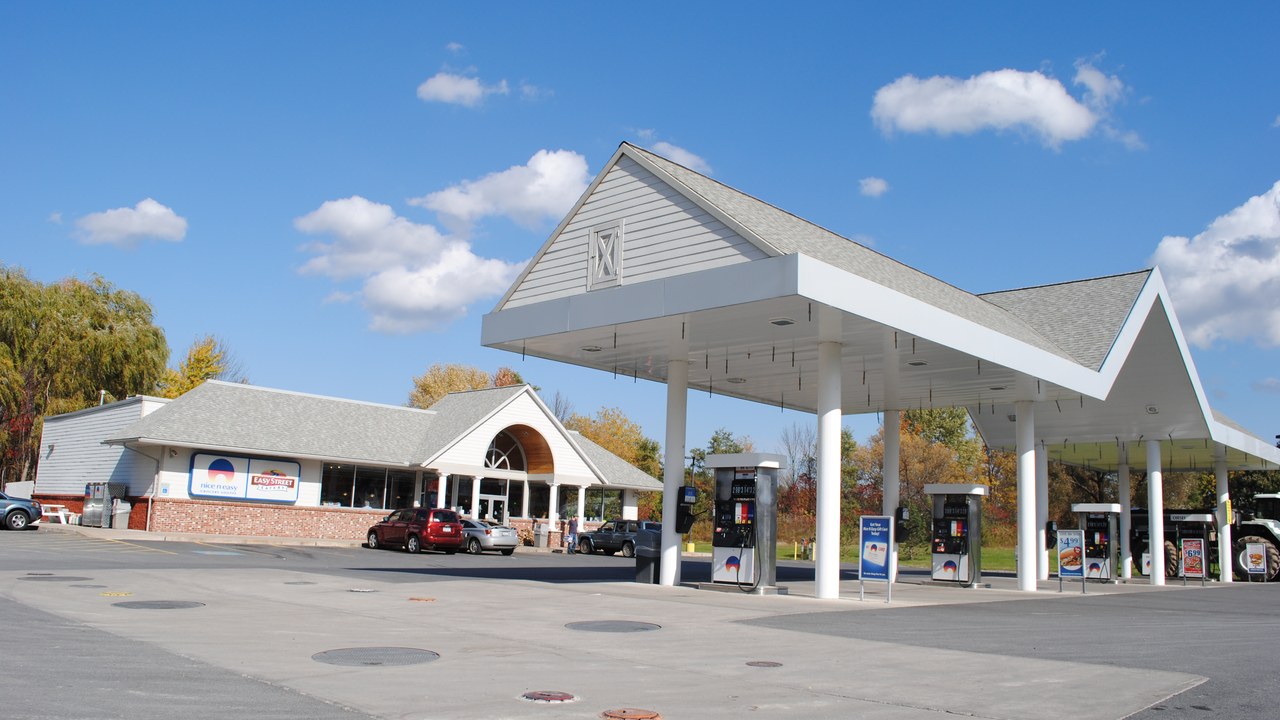
Starting November 4, 2026, a small grocery, corner store or rural gas station that wants to keep swiping Supplemental Nutrition Assistance Program benefit cards has to clear a far higher bar than in past years. Federal regulators have rewritten the shelf-stocking floor for every authorized retailer except specialty shops, and the new math lands on a specific number: 28 distinct staple-food varieties, kept in stock every single day, spread across four separate categories. For a household that relies on a particular store because it is the nearest one that takes an EBT card, the stakes are not abstract compliance paperwork — a store that cannot clear the count loses its SNAP authorization outright, and the closest place to spend those benefits can vanish along with it.
USDA’s Seven-Varieties, Four-Category Formula
The requirement comes from a final rule USDA’s Food and Nutrition Administration published on May 8, 2026, which took effect July 7, 2026, with a compliance deadline of November 4, 2026, for retailers already authorized to accept SNAP. Under the rule, every store other than a specialty food shop — a butcher, a fish market or a produce stand — must stock, on a continuous basis, at least seven distinct varieties in each of four staple food categories: dairy, grains, protein, and vegetables or fruits. Seven varieties times four categories is the 28-item floor a store has to clear, and USDA’s published guidance spells out what does and does not count as a distinct variety. Two brands of the same cereal are one variety, not two. A fresh tomato, canned diced tomatoes and tomato paste all count as the same “tomato” variety no matter the package. What changes the count is the food itself — chicken versus beef, whole-grain bread versus white bread, dry beans versus canned beans. Each of the 28 varieties also needs a minimum of three stocking units on the shelf, for at least 84 total units across the four categories, and at least three of the four categories must include one perishable variety — fresh, refrigerated or frozen food that would spoil within two to three weeks at room temperature.
Free download: The recertification document list, how to handle a missing benefit or skimmed card, and when to ask for a fair hearing. Download the free SNAP checklist.
Withdrawal From SNAP, and the Six-Month Wait to Reapply
USDA has been direct about what happens to a store that cannot meet the new count by the deadline: it is withdrawn from SNAP and can no longer accept SNAP benefits at all, and under the agency’s own sample-compliance guidance, the Office of Retailer Operations and Compliance — not the store owner’s own read of the shelf — makes the final determination. An owner who is withdrawn, or whose application is denied for the same reason, cannot reapply for six months. For the store, that is lost grocery revenue tied to every SNAP household that shops there. For the shopper, it is a different problem entirely: the nearest place that took a benefits card is suddenly off the list. In neighborhoods and small towns where a limited-stock convenience store, dollar store or gas-station mart has functioned as the walkable or drivable grocery option, that is exactly the kind of retailer this rule targets — outlets built around packaged snacks and drinks rather than a genuine dairy, produce, protein and grain lineup. A household that loses its closest EBT retailer does not lose its monthly benefit amount, but it does lose the option that required the least travel, time and added cost to use it, which for someone without a car or with limited mobility can mean a longer bus ride, a bigger single monthly trip, or dependence on whichever remaining store has raised prices to cover the cost of carrying more fresh food.
What a Compliant Shelf Actually Looks Like
USDA’s sample stocking pathways, cited above, show how modest a compliant lineup can be for a store willing to diversify rather than expand. One illustrated path pairs plain milk, chocolate milk, Greek yogurt, sour cream, mozzarella sticks, canned evaporated milk and half-and-half for the dairy category alone, then rounds out grains with whole-grain bread, whole wheat spaghetti, tortillas, regular spaghetti, cereal, pancake mix and flour. Protein can be covered with chicken breasts, frozen fish sticks, tofu, lentil soup, canned tuna, dry kidney beans and peanut butter, and the produce category with baby carrots, fruit cups, orange juice, a salad kit, a stir-fry mix, onions and bananas. None of that requires a full supermarket footprint, but it does require a retailer to carry actual food across categories rather than the chips-and-soda aisle some small stores are built around — snack bars, jerky, cheese dip and butter were reclassified as accessory foods under the same rule and no longer count toward the total, even though SNAP households can still buy them there. USDA issued a follow-up retailer notice on September 4, 2026, walking authorized stores through exactly this kind of shelf math with barely two months left before the compliance date — a sign the agency expects a meaningful number of small retailers still have work to do before November 4.
Losing a Store Does Not Pause the Case File
Keeping a nearby store authorized to take a SNAP card is only half of what keeps a household’s grocery budget intact. The benefit itself has to be renewed on its own schedule, and Medicaid coverage tied to the same household can lapse on a separate timeline that rarely arrives with a clear warning.
The SNAP & Medicaid Renewal Organizer pairs a renewal and reporting calendar with 51 state packs and a renewal document checklist so a household can track both deadlines by state instead of guessing at them.
Compare the 90-day window after coverage is dropped against a state’s own pack in The SNAP & Medicaid Renewal Organizer.
AI-assisted research and drafting; reviewed by an editor.


