
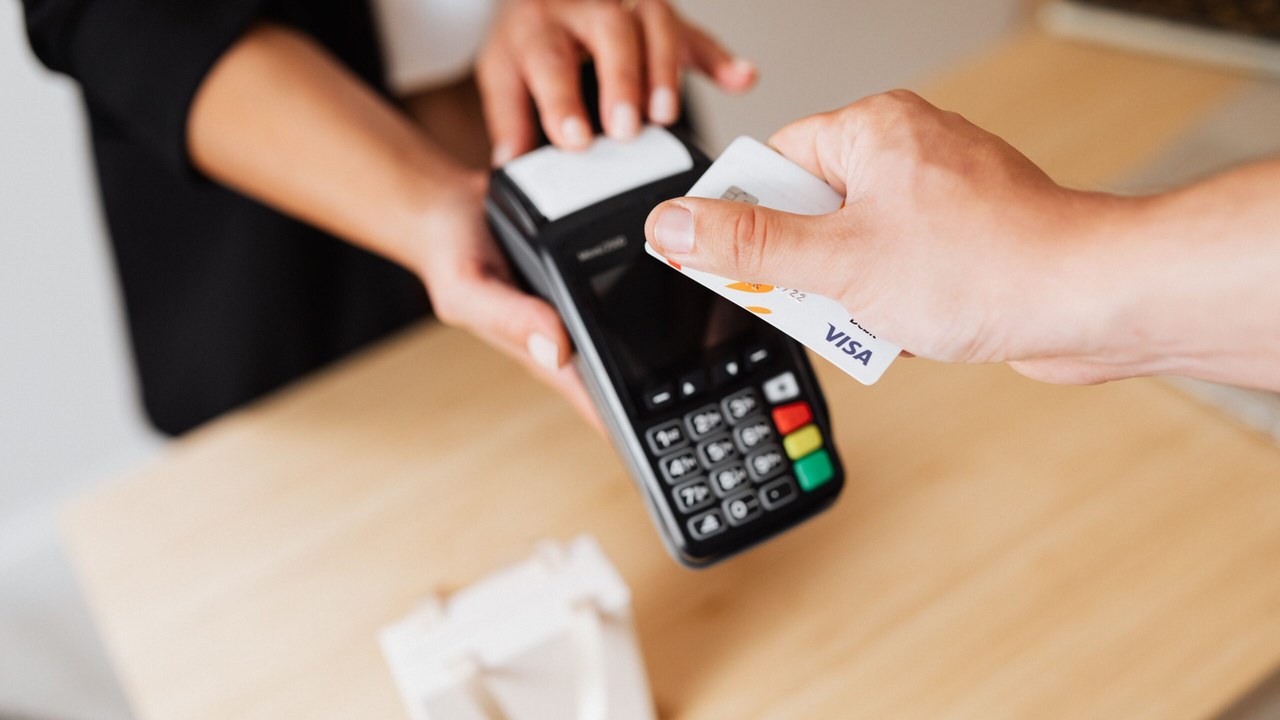
A stolen debit card usually means a same-day fraud alert, a canceled number and a new card within a few business days. A stolen Supplemental Nutrition Assistance Program card no longer works that way when the money behind it is federal. Congress let the law that reimbursed states for skimmed SNAP benefits lapse at the end of 2024, and no later spending bill has revived it. A household whose EBT card gets cloned today is left with whatever, if anything, its own state chooses to cover, and that gap lands directly on next month’s grocery budget.
The Federal Repayment Authority That Expired in December 2024
Card skimming works by hiding a small device inside a retailer’s card-swiping machine or PIN pad, copying a household’s EBT card number and PIN, then cloning that data onto a blank card, the exact scheme USDA’s own skimming-prevention guidance describes to state agencies and retailers. Congress first addressed the wave of thefts in the Consolidated Appropriations Act of 2023, passed in late December 2022, which let state SNAP agencies tap federal money to reimburse households for benefits stolen between October 1, 2022, and a cutoff date originally set for September 30, 2024. USDA issued formal guidance to states in January 2023, required every state plan on file by February 27, 2023, and spent the following months approving those plans one at a time, so the earliest states began paying claims in the spring of 2023 while a few did not start until late that year. A stopgap spending bill later pushed the theft-window cutoff to December 20, 2024. When the next full-year funding package, the American Relief Act of 2025, was signed, it did not extend the replacement authority again. USDA notified state agencies that the program was sunsetting, and the agency’s current guidance still states plainly that benefits stolen on or after December 21, 2024 are not eligible for replacement with federal money. For a household living on a fixed monthly allotment, that single sentence in an agency guidance page is the difference between an emergency refill and an empty account until the next issuance date.
Free download: The recertification document list, how to handle a missing benefit or skimmed card, and when to ask for a fair hearing. Download the free SNAP checklist.
What Happens to a Skimmed SNAP Card Now
Before the cutoff, the fix was comparatively straightforward. All 50 states, the District of Columbia, Guam and the U.S. Virgin Islands eventually had an approved plan on file letting them draw down federal dollars to make a household whole, capped at whichever was lower: the amount actually stolen, or the household’s benefit allotment for the two months immediately before the theft. States could still honor retroactive claims reaching back to October 2022 for months after their own plan took effect, which is why some 2023 and 2024 claims are still working through the system today. None of that reaches a theft dated December 21, 2024 or later. A state agency can still choose to replace a skimmed benefit out of its own budget, but nothing in federal law requires it to, and nothing guarantees Washington will reimburse that state spending later. USDA’s own replacement dashboard, last refreshed this summer, confirms the federal authority has not returned and now flags which states have stopped accepting new claims altogether. That dashboard has always come with a caution attached: because states began their state plans on different dates and kept honoring retroactive claims for months afterward, the totals for any two states are not directly comparable, and full patterns were not expected to emerge until every retroactive claim finished processing. That caveat still applies to the historical data, even though the door for filing a new federal claim has now closed for good. A household that reports a skimmed card today is, in most states, reporting a loss it will not get back.
How Skimming Works, and USDA’s Rules for Blunting It
Thieves do not need to steal a physical card to empty it. A skimmer clipped onto a checkout terminal or PIN pad can capture a card number and PIN in under a minute, and criminals use that data to press a working clone, then spend down the balance at any store that still accepts EBT. USDA’s guidance for SNAP participants is built around keeping that PIN away from a thief in the first place: avoid an obvious PIN such as 1234 or a birth year, change it at least monthly and right before the next benefit issuance, cover the keypad by hand while entering it, and check the EBT account often enough to catch an unauthorized purchase within days rather than weeks. A household that spots a suspicious charge is told to change its PIN immediately and contact its local SNAP office, since that office, not USDA directly, handles the theft report. That reporting step matters just as much now: the same local office handling a theft report is also the one that would apply any state-funded replacement a household’s state still offers, on whatever terms that state sets on its own since federal rules no longer apply. No state currently issues a chip-based EBT card, though a handful are in planning, and USDA has said it intends to test mobile, contactless SNAP payments as another way to keep a card number away from a compromised swipe machine. Retailers carry a matching duty to inspect their own equipment daily and report tampering, since the same skimmer sitting on a POS terminal collects debit and credit card numbers along with SNAP data. USDA’s own guidance is direct about where that leaves households now: with the federal replacement authority expired and no chip card yet in circulation, PIN hygiene is the only defense that closes the gap before a thief does.
Behind a Card Dispute Sits an Unmoved Case File
While a household spends weeks trying to recover a skimmed benefit, its ordinary SNAP or Medicaid renewal window keeps running on its own separate clock. Missing that recertification paperwork can cut off active benefits entirely, layering a second loss on top of whatever the theft already took. State agencies typically route a theft report and a renewal packet through different desks, so filing one does nothing to pause the other.
The SNAP & Medicaid Renewal Organizer collects a renewal and reporting calendar alongside 51 state packs and a renewal document checklist so a household can track both clocks without missing either one.
Read the renewal and reporting calendar in The SNAP & Medicaid Renewal Organizer.
AI-assisted research and drafting; reviewed by an editor.


