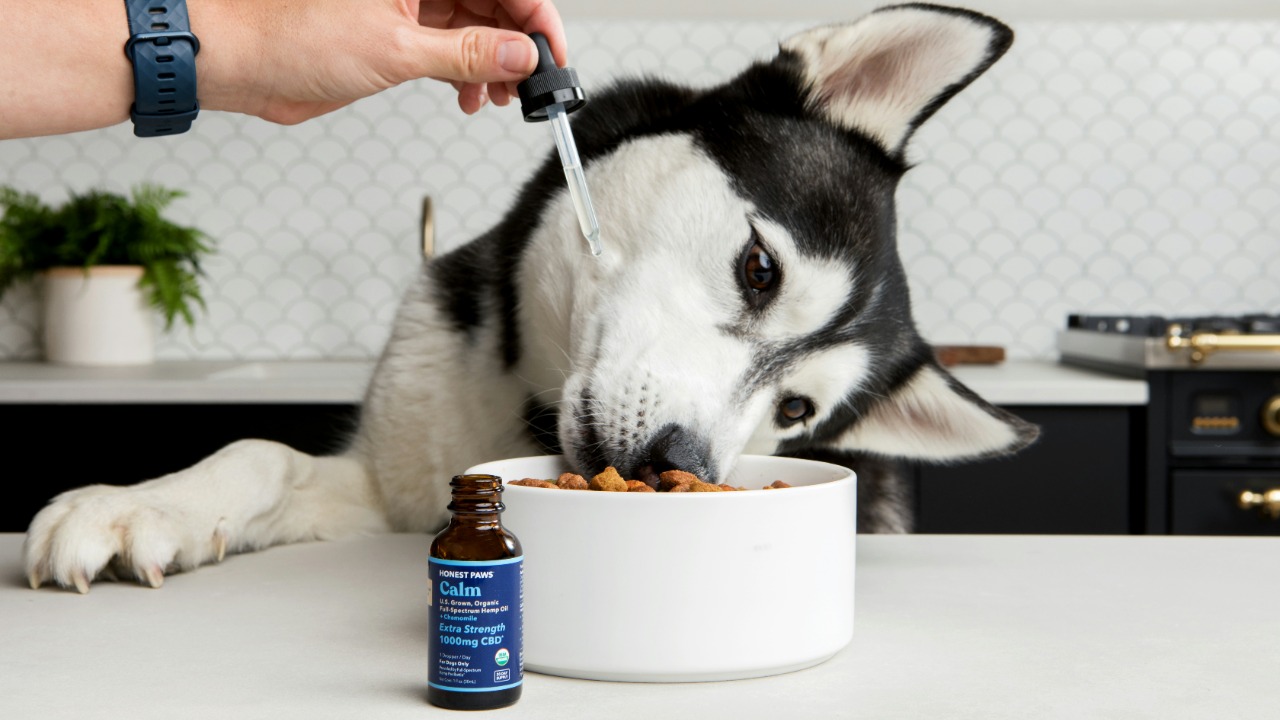
Dog owners who bought certain Fi supplements have a current product check to make before the next scoop goes into a bowl. FDA has posted Fi’s recall of two specific dog-supplement lots because they may be contaminated with Salmonella after an ingredient was supplied to the company’s manufacturer.
The consumer-protection message is clear but limited. The company tells owners to discontinue use, keep the container tightly sealed and dispose of it in the trash. The record does not offer a refund, replacement, credit, return label or reimbursement for a vet visit. That means the right budget decision is not to assume compensation exists; it is to identify the exact lot, stop using it if it matches and avoid paying someone for a supposed recall remedy.
Only two Fi lots are named in the FDA notice
The FDA-posted company announcement identifies Fi Calming supplement for Dogs, 180 g, lot 26118, with UPC 8 50064 80011 1. It also names Fi 8-in-1 Formula supplement for Dogs, 180 g, lot 26159, with UPC 8 50055 11168 4. The lot number and UPC are the deciding details, rather than the fact that a household owns a Fi product or uses a dog supplement.
The products were distributed directly to consumers and through the online retailers Amazon and Chewy.com, FDA says. That tells an owner where a purchase may have originated, but it does not convert the recall into a storewide return program. The FDA announcement does not spell out a retailer-specific process or promise that an order history alone qualifies a buyer for money back.
Fi says the potential contamination relates to an ingredient supplied to its manufacturer, which has suspended production while it investigates. The company says it is promptly notifying affected customers out of an abundance of caution. The recall is a targeted response to a possible contamination risk; it is not evidence that every Fi supplement, every dog food or every product sold by the two retailers is affected.
Free retirement updates: Miss an enrollment or claim deadline and it may be gone. The free Retirement Shield newsletter keeps readers ahead of the ones that matter. Get the free newsletter.
Salmonella can concern both a dog and the people nearby
FDA says Salmonella can affect the animals that eat a contaminated product and may also pose a risk to people who handle the product, surfaces exposed to it or animal waste after the animal has ingested it. Handwashing after contact is part of the agency’s warning, especially when someone has handled the product, a bowl or waste associated with a dog that may have consumed it.
The notice says healthy people who are infected can have symptoms including nausea, vomiting, diarrhea or bloody diarrhea, abdominal cramping and fever. It says pet symptoms can include lethargy, diarrhea or bloody diarrhea, fever and vomiting; some pets may instead have decreased appetite, fever and abdominal pain. Those lists do not establish a diagnosis. The company’s instructions are to contact a health-care provider for a person with relevant signs after contact and a veterinarian if an animal consumed a recalled product and has symptoms.
Keeping those two decisions separate is useful. A veterinarian can evaluate a dog; a health-care provider can evaluate a person. Neither instruction means that a buyer should keep feeding the product while waiting for advice, or that a home test can clear a named lot. The recall action applies to the product first: discontinue it, seal the container and put it in the trash.
What the notice does—and does not—say about money
Pet care can be expensive, which is why recall notices often attract posts promising reimbursements or easy claims. This one makes no such promise. It contains no stated dollar amount, deadline, claim form, receipt requirement, retailer return instruction, replacement shipment or credit. A household should not treat the FDA notice as authorization to charge a new supplement to a card and expect Fi, Amazon or Chewy to cover it later.
There is still a real consumer-protection benefit to acting on the notice quickly. The official instructions can prevent a recalled product from being used up simply because it was purchased already, and they give owners a way to ask questions without relying on a social-media screenshot. Fi lists 1-888-434-3647, available seven days a week from 10 a.m. to 8 p.m. Eastern time, and [email protected].
If a seller, social-media account or unsolicited caller offers to process a refund for a fee, it is not repeating a remedy contained in the FDA announcement. Do not provide payment information or a password based on that offer. The official record gives a contact number and email for questions, not a paid claims service.
Keep the product details before disposing of it
An owner who is checking a bag or tub can record the product name, lot number, UPC and purchase source before sealing it for disposal. That small record can help when contacting Fi or a veterinarian, and it can help separate a covered lot from a similar-looking product. It should not be read as an application for a refund; FDA’s notice does not create one.
The FDA animal-recalls page explains that recall records not marked terminated are either ongoing or completed. The Fi entry appears without a terminated-recall indicator. That is a status signal, not a reason to continue using a named lot until a later update.
For households with a covered container, the verified order is short: match the product and lot, stop feeding it, seal it, dispose of it and use Fi’s listed contact if needed. It protects the dog, reduces unnecessary exposure in the home and keeps the financial claim honest: this recall provides safety instructions, not a guaranteed payout.
Separate Product Recalls From Benefits
A pet-product recall has its own company instructions and does not create Medicare or Social Security eligibility. Medicare Savings Programs and Extra Help are separate programs with their own income and enrollment rules.
The 69-page guide covers 11 programs, 2026 income limits, a 50-state phone directory and a printable tracker.
See the 11 programs and what each one pays in The Benefits Checklist.
This article was prepared with AI assistance and reviewed by an editor.