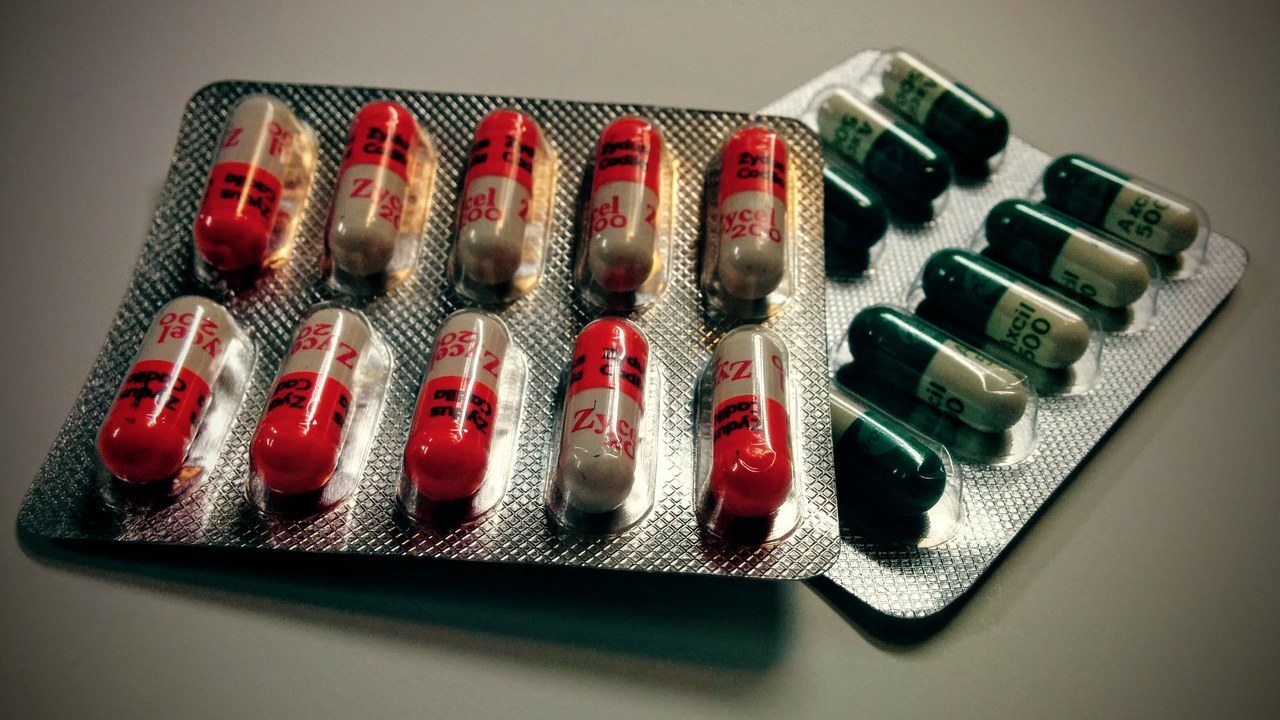
Two supplements sold for male sexual enhancement are the subject of a current FDA-posted recall, and the agency’s instruction is direct: people who have them should stop using them and dispose of what remains. The products are called Business Pill and Branch Manager for Men; the trigger was FDA laboratory analysis that found yohimbine not declared on their labels.
This is consumer-product protection, not a refund program. The public notice does not promise cash back, a replacement, a retail return, reimbursement for a different product, or compensation for a health problem. Its practical value is in helping a household recognize the exact products, remove them from use and avoid spending more money on an unverified “fix” or similar supplement.
The recall covers two named SUPPLX.com products
The FDA-posted SUPPLX.com announcement says both products were packaged as single-capsule blister cards and sold in 24-count retail boxes through SUPPLX.com. It covers all lots and all expiration or best-by dates distributed from September 16, 2023, through June 11, 2026. The notice does not extend to every product sold by the company.
Product identification is more specific than a search for a pill in a medicine cabinet. The lot and date information are printed on the back of each individual blister card. For Business Pill, the announcement says to look in the upper-right corner. For Branch Manager for Men, it says the information appears directly above the barcode. Keeping that packaging long enough to identify the item can prevent a person from throwing away a different product or assuming an unrelated purchase is recalled.
FDA says its lab analysis confirmed that both recalled products contain yohimbine that was not declared on the label. The agency’s separate public notification about Business Pill also advises consumers not to purchase or use it. That is an important boundary: a product being marketed as a dietary supplement does not make an undeclared ingredient acceptable or turn a recalled item into a medication someone should keep using.
Free retirement updates: Miss an enrollment or claim deadline and it may be gone. The free Retirement Shield newsletter keeps readers ahead of the ones that matter. Get the free newsletter.
Why undeclared yohimbine changes the decision
Yohimbine is a plant-derived alkaloid that has been formulated for use as a prescription medication. The FDA notice says it has also been studied for blood-flow and athletic-performance purposes, but that context is not an assurance that an unlabeled dose is safe. FDA found dangerously high levels of yohimbine in the recalled products, according to the company announcement posted by the agency.
The risk statement is not a reason for a reader to self-diagnose. The announcement says yohimbine can cause severe hypertension, tachycardia, cardiac arrhythmia and possibly a heart attack. It notes elevated risk for people using other stimulants such as caffeine or ephedra-containing products, as well as prescription drugs used to treat ADHD. It also lists gastrointestinal, neurologic and psychiatric effects associated with high doses.
For a consumer, the useful distinction is between the packaging claim and the verified recall fact. A product can be marketed with phrases such as “natural” or “dietary supplement” while the official notice identifies an undeclared ingredient. The responsible response is not to compare doses with an internet post, buy a competing product immediately or try to finish an open package because it was paid for. It is to stop use of the identified product and follow the official contact route if a question remains.
Disposal is the stated remedy, not a financial claim
SUPPLX.com says it is notifying affected customers directly. Consumers who possess either recalled product should stop using it immediately and dispose of any remaining product. The notice provides the SUPPLX Recall contact at 321-341-9501 and [email protected] for questions.
That is all the public record promises on the consumer-finance side. It does not say to mail the product back, show a receipt, file a claim, wait for a replacement, or expect a credit. A household should not rely on a third-party post that offers a return label, a payout or a cure when the FDA-posted announcement gives none of those things. The financial protection here is narrower: do not spend more on a product that could be unsafe, and do not pay a fee to someone claiming to process this recall.
If someone has experienced a health problem that may be related to either product, the announcement says to contact a physician or other health-care provider. It also directs consumers and health professionals to FDA MedWatch to report adverse events or side effects. Those steps are separate from a consumer transaction and should not be represented as a promise of payment.
A short record can make a recall check cleaner
Before discarding an item, a person who is unsure whether it matches can note the product name, take a photo of the back of the blister card and record where it was bought. That is useful for identifying a precise product and answering a clinician’s question; it is not an FDA requirement for a refund because the notice does not offer one.
The same restraint applies to people who do not have either named product. This recall is not a blanket warning about every sexual-enhancement supplement, nor does it tell someone to replace a prescribed treatment with an over-the-counter item. The two names, the blister-card format and the distribution window are the relevant filters.
The agency’s current notice ends with the most practical instruction: consumers with either recalled product should stop using it and dispose of the remainder. That source-led action is the consumer safeguard supported by the record, even though it is not a cash remedy.
Health-Care Costs Need Official Routes
A product recall does not create a benefit payment, and a manufacturer contact is not the same as a government program. Medicare Savings Programs and Extra Help have separate eligibility and enrollment rules.
The 69-page guide covers 11 programs, 2026 income limits, a 50-state phone directory and a printable tracker.
See the 11 programs and what each one pays in The Benefits Checklist.
This article was prepared with AI assistance and reviewed by an editor.